
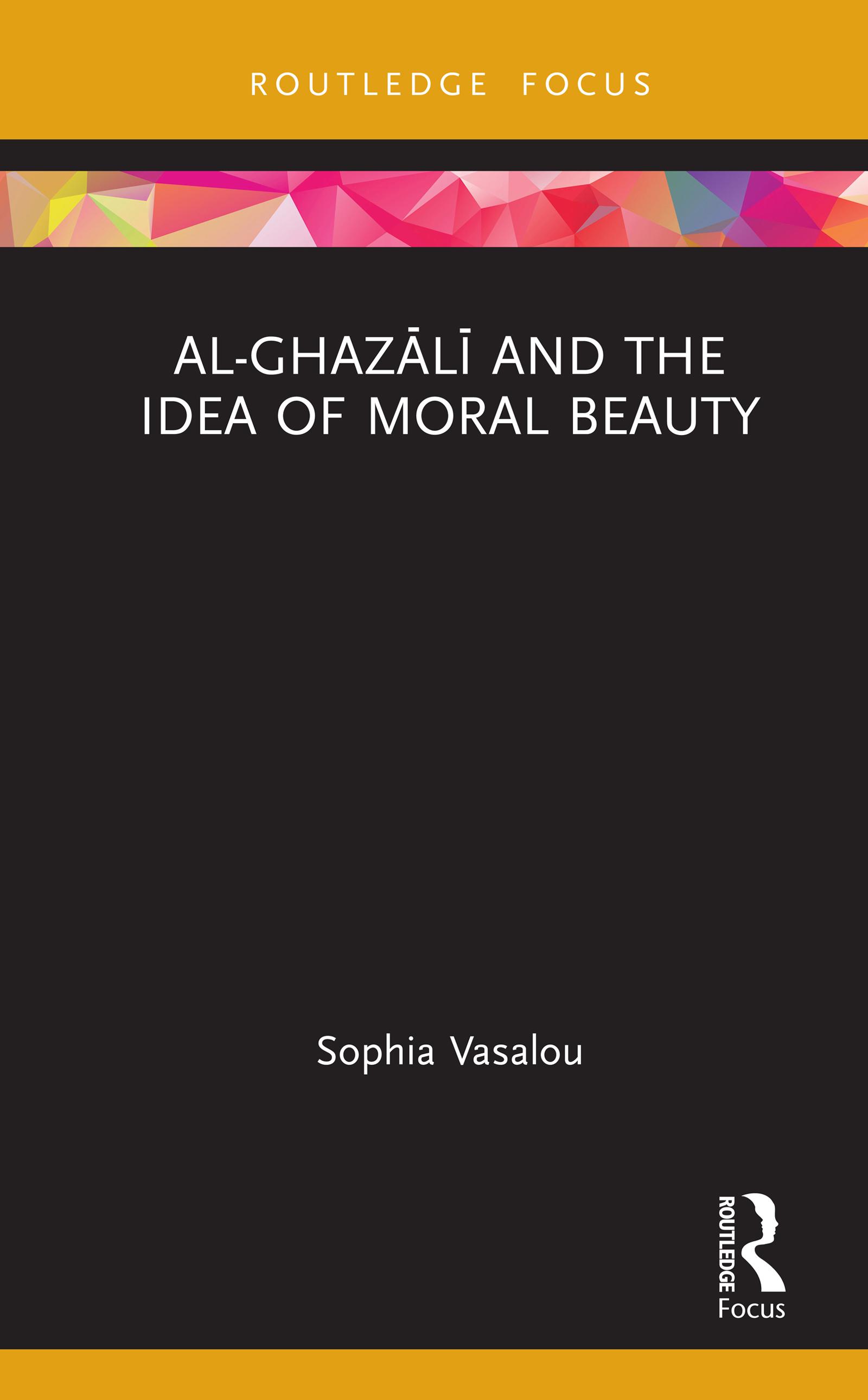
Al-Ghazālī and the Idea of Moral Beauty rethinks the relationship between the good and the beautiful by considering the work of eleventh-century Muslim theologian Abū Ḥāmid al-Ghazālī (d. 1111).
A giant of Islamic intellectual history, al-Ghazālī is celebrated for his achievements in a wide range of disciplines. One of his greatest intellectual contributions lies in the sphere of ethics, where he presided over an ambitious attempt to integrate philosophical and scriptural ideas into a seamless ethical vision. The connection between ethics and aesthetics turns out to be a signature feature of this account. Virtue is one of the forms of beauty, and human beings are naturally disposed to respond to it with love. The universal human response to beauty in turn provides the central paradigm for thinking about the love commanded by God. While al-Ghazālī’s account of divine love has received ample attention, his special way of drawing the good into relation with the beautiful has oddly escaped remark. In this book Sophia Vasalou addresses this gap by offering a philosophical and contextual study of this aspect of al-Ghazālī’s ethics and of the conception of moral beauty that emerges from it.
This book will be of interest to scholars and students in Islamic ethics, Islamic intellectual history, and the history of ethics.
Płać wygodnie kartą, Klarną, Apple Pay lub Google Pay. Nie jesteś zadowolony? Zawsze masz 14-dniową gwarancję zwrotu pieniędzy. Więcej przeczytasz w naszych warunkach. Masz pytania? Napisz do nas na hello@memmo.org.
Memmo ułatwia naukę – gdziekolwiek jesteś na świecie. U nas znajdziesz podręczniki i sprytne narzędzia do nauki w jednym miejscu: streszczenia, quizy, podcasty i fiszki. A do tego Ted, Twój kumpel do nauki, który odpowie na wszystko, co Cię nurtuje. Ponad 50 000 studentów już tu się uczy – stworzone, byś uczył się szybciej i mniej stresował.