
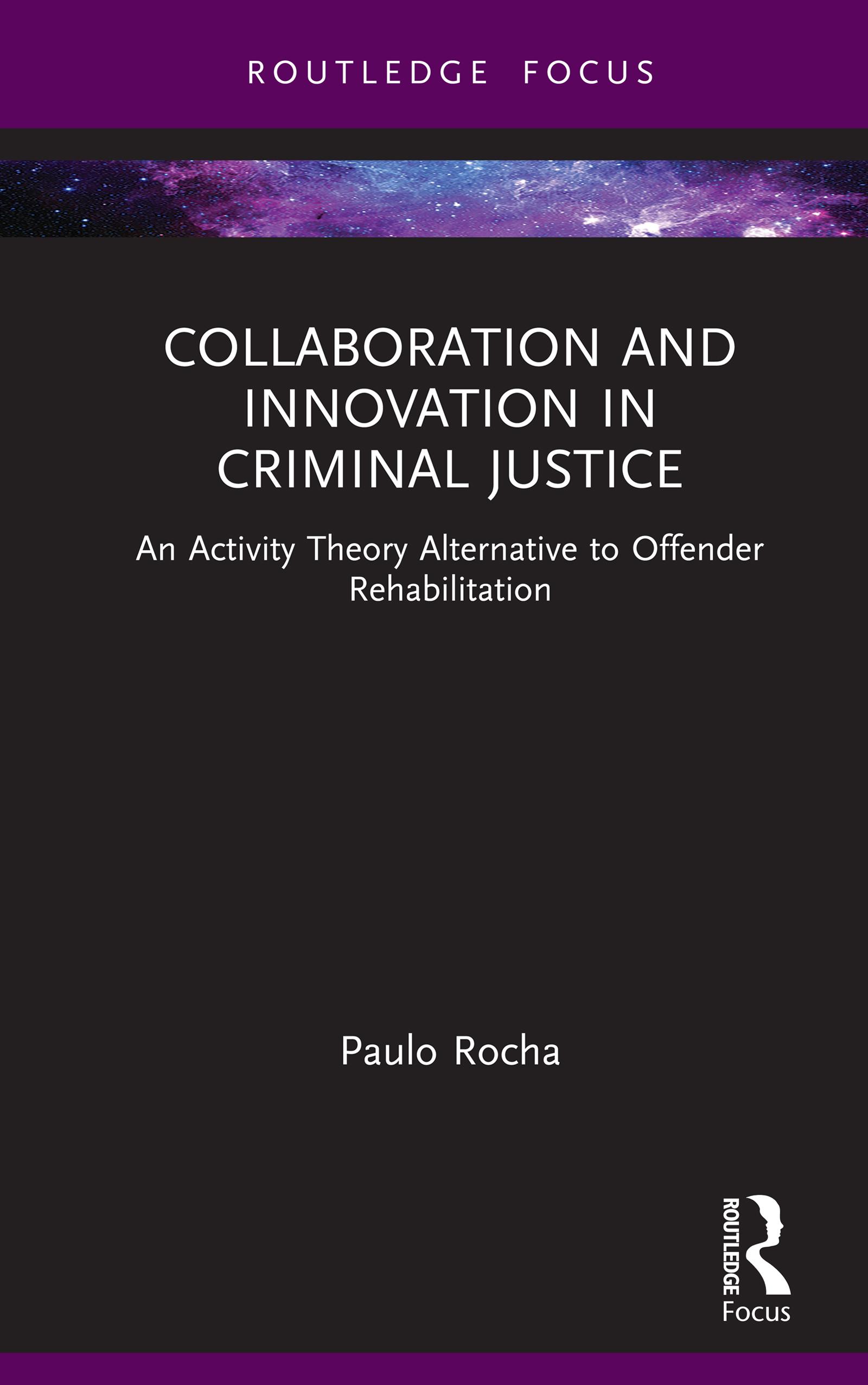
Drawing on original research on community-based alternatives to offender rehabilitation, this book provides an up-to-date depiction of the challenges faced by front-line workers at the interface between criminal justice and welfare systems striving to address needs and provide multifaceted solutions.
Using an innovative theoretical approach predicated on activity theory (AT) to dissect the problem, the book makes the case for co-created rehabilitation strategies that address the needs of offenders – which can only be achieved with the involvement of health and social welfare services as a means to provide a holistic support to individuals – and regard for the dilemmas front-line professionals face to deploy such strategies – which means shifting the top-down paradigm of policy implementation for co-created solutions. The book explores how AT can be used to help design commensurate interventions that give voice to all the interested actors involved in the rehabilitation process and provide readers with tools that help translate theory into practice.
This book is essential reading for students, researchers, practitioners and other stakeholders focusing on co-created, bottom-up alternatives to imprisonment that benefit both offenders, community and the state.
Płać wygodnie kartą, Klarną, Apple Pay lub Google Pay. Nie jesteś zadowolony? Zawsze masz 14-dniową gwarancję zwrotu pieniędzy. Więcej przeczytasz w naszych warunkach. Masz pytania? Napisz do nas na hello@memmo.org.
Memmo ułatwia naukę – gdziekolwiek jesteś na świecie. U nas znajdziesz podręczniki i sprytne narzędzia do nauki w jednym miejscu: streszczenia, quizy, podcasty i fiszki. A do tego Ted, Twój kumpel do nauki, który odpowie na wszystko, co Cię nurtuje. Ponad 50 000 studentów już tu się uczy – stworzone, byś uczył się szybciej i mniej stresował.