
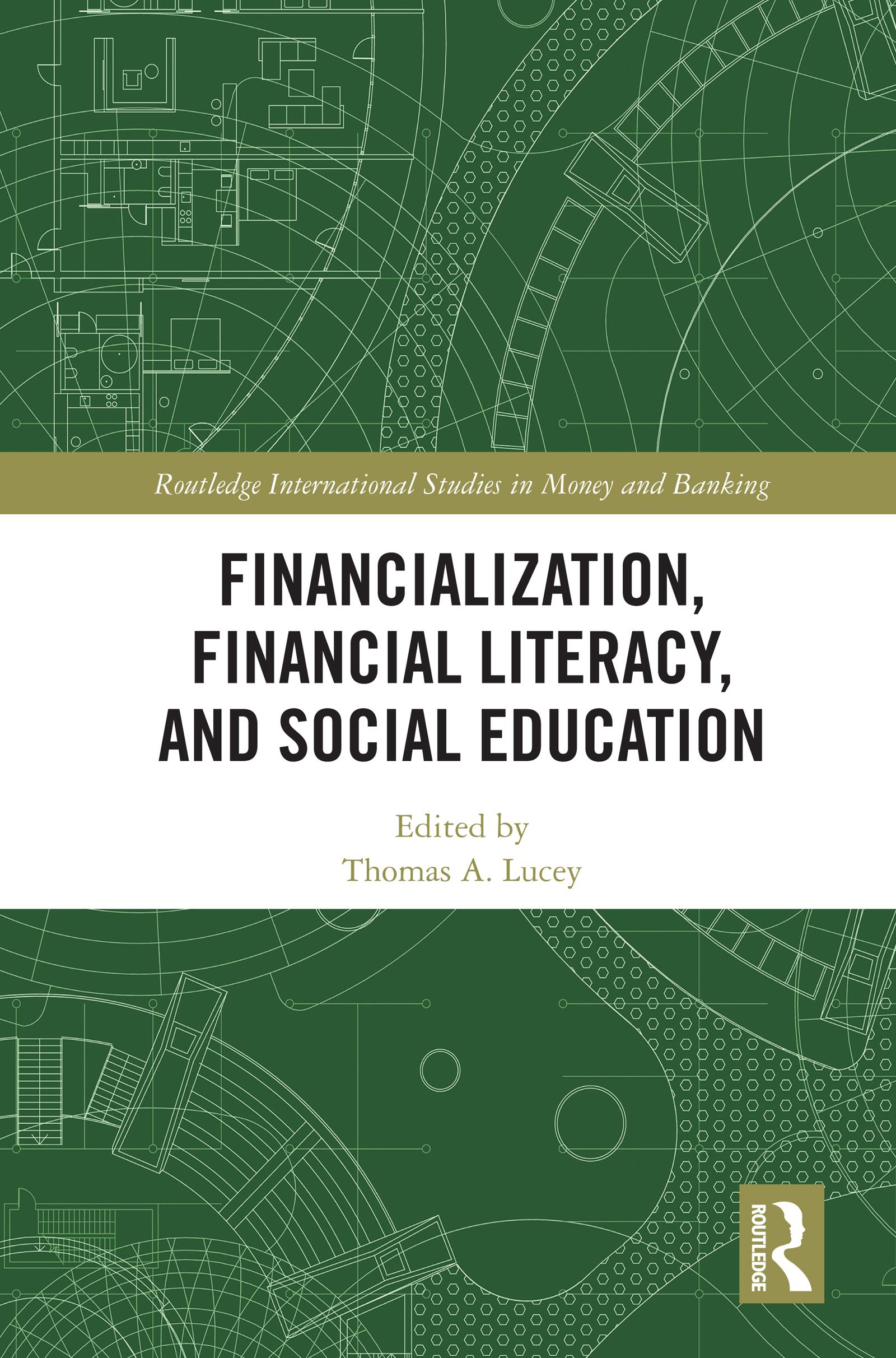
The objective of this book is to prompt a re-examination of financial literacy, its social foundations, and its relationship to citizenship education. The collection includes topics that concern indigenous people’s perspectives, critical race theory, and transdisciplinary perspectives, which invite a dialogue about the ideologies that drive traditional and critical perspectives.
This volume offers readers opportunities to learn about different views of financial literacy from a variety of sociological, historical and cultural perspectives. The reader may perceive financial literacy as representing a multifaceted concept best interpreted through a non-segregated lens. The volume includes chapters that describe groundings for revising standards, provide innovative teaching concepts, and offer unique sociological and historical perspectives. This book contains 13 chapters, with each one speaking to a distinctive topic that, taken as a whole, offers a well-rounded vision of financial literacy to benefit social education, its research, and teaching. Each chapter provides a response from an alternative view, and the reader can also access an eResource featuring the authors’ rejoinders. It therefore offers contrasting visions about the nature and purpose of financial education. These dissimilar perspectives offer an opportunity for examining different social ideologies that may guide approaches to financial literacy and citizenship, along with the philosophies and principles that shape them. The principles that teach and inform about financial literacy defines the premises for base personal and community responsibility.
The work invites researchers and practitioners to reconsider financial literacy/financial education and its social foundations. The book will appeal to a range of students, academics and researchers across a number of disciplines, including economics, personal finance/personal economics, business ethics, citizenship, moral education, consumer education, and spiritual education.
Płać wygodnie kartą, Klarną, Apple Pay lub Google Pay. Nie jesteś zadowolony? Zawsze masz 14-dniową gwarancję zwrotu pieniędzy. Więcej przeczytasz w naszych warunkach. Masz pytania? Napisz do nas na hello@memmo.org.
Memmo ułatwia naukę – gdziekolwiek jesteś na świecie. U nas znajdziesz podręczniki i sprytne narzędzia do nauki w jednym miejscu: streszczenia, quizy, podcasty i fiszki. A do tego Ted, Twój kumpel do nauki, który odpowie na wszystko, co Cię nurtuje. Ponad 50 000 studentów już tu się uczy – stworzone, byś uczył się szybciej i mniej stresował.