
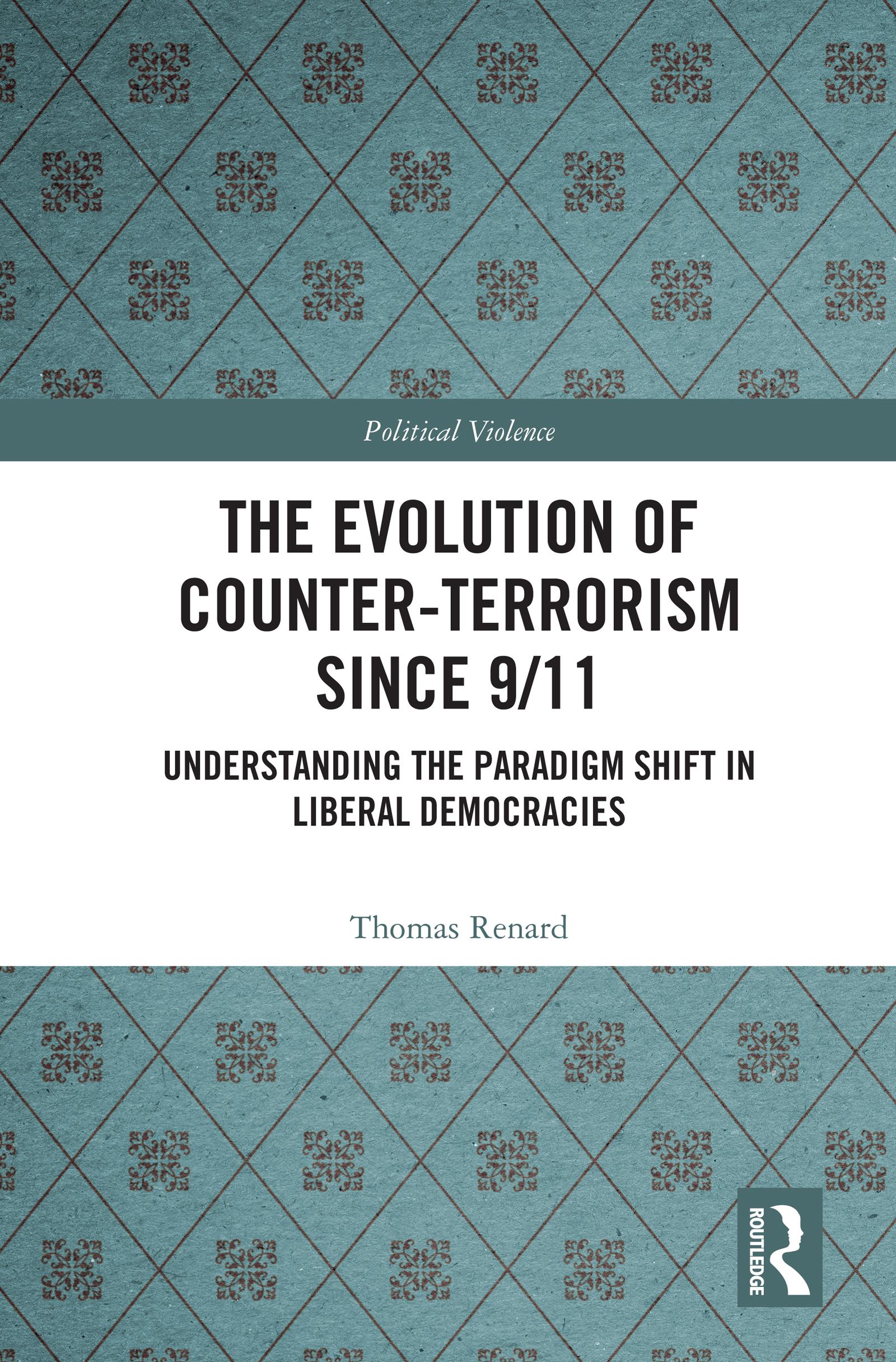
This book examines the evolution of counter-terrorism (CT) policies in liberal democracies since 2001, with a specific focus on the case of Belgium.
What is counter-terrorism (CT)? While the answer to this question may seem self-evident, it has become quite complicated to define the contours of a field that has expanded dramatically in the two decades since the 9/11 attacks. The development of "softer" policies, dealing with the prevention of radicalisation, has blurred the limits of CT.
Through the use of public policy theory and an in-depth case study on Belgium, the book identifies the key factors influencing CT policy-making, both domestically and internationally, and offers an explanation for the development of a more comprehensive CT agenda across Europe. It provides an innovative theoretical approach and is also based on extensive interviews with key counter-terrorism officials and analysis of key policy documents. The book concludes by identifying some key drivers of change and offers an embryonic theory of CT policy-making.
The book will be of much interest to students and practitioners of counter-terrorism, radicalisation, European politics and security studies.
Płać wygodnie kartą, Klarną, Apple Pay lub Google Pay. Nie jesteś zadowolony? Zawsze masz 14-dniową gwarancję zwrotu pieniędzy. Więcej przeczytasz w naszych warunkach. Masz pytania? Napisz do nas na hello@memmo.org.
Memmo ułatwia naukę – gdziekolwiek jesteś na świecie. U nas znajdziesz podręczniki i sprytne narzędzia do nauki w jednym miejscu: streszczenia, quizy, podcasty i fiszki. A do tego Ted, Twój kumpel do nauki, który odpowie na wszystko, co Cię nurtuje. Ponad 50 000 studentów już tu się uczy – stworzone, byś uczył się szybciej i mniej stresował.