
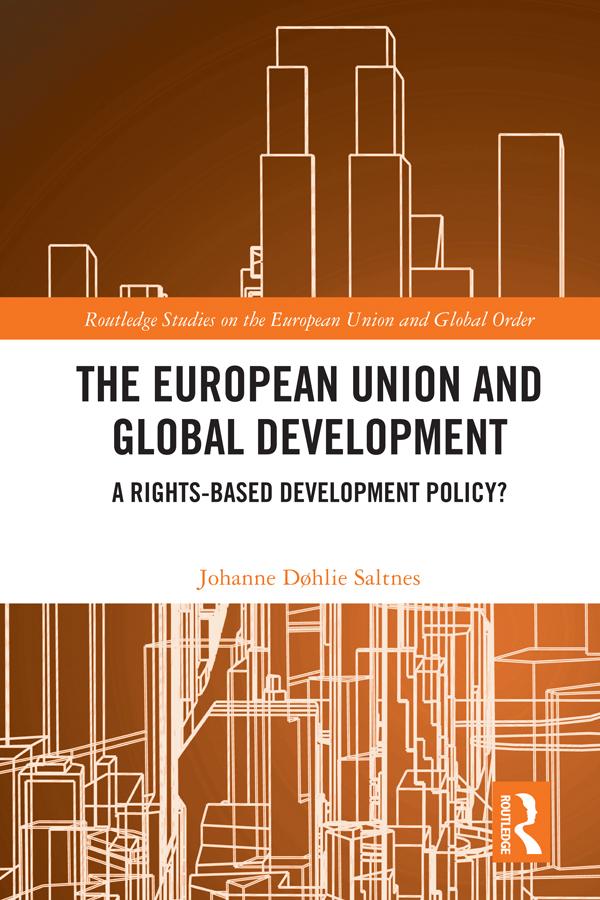
This book systematically analyses the EU’s commitment to a human rights-based approach to development through the lens of global justice theory.
It identifies limits to the EU’s approach and discusses how standardised policies, particularly in the case of human rights sanctions, may be perceived as neo-colonially intrusive and can come at the cost of recognizing the experiences and interests of vulnerable groups and allowing for partner countries’ democratic ownership of their own development trajectory. Engaging with primary sources including official documents, reports, and 45 semi-structured interviews with EU and member state officials, the book also presents a novel explanation for why the EU, at times, steps out of its commitment to rights-based development and chooses differentiated foreign policy responses to similar situations.
This book will be of key interest to scholars and students of EU foreign policy, EU development policy human rights, and international relations as well as policy practitioners working in the fields of development, human rights and democracy promotion.
Płać wygodnie kartą, Klarną, Apple Pay lub Google Pay. Nie jesteś zadowolony? Zawsze masz 14-dniową gwarancję zwrotu pieniędzy. Więcej przeczytasz w naszych warunkach. Masz pytania? Napisz do nas na hello@memmo.org.
Memmo ułatwia naukę – gdziekolwiek jesteś na świecie. U nas znajdziesz podręczniki i sprytne narzędzia do nauki w jednym miejscu: streszczenia, quizy, podcasty i fiszki. A do tego Ted, Twój kumpel do nauki, który odpowie na wszystko, co Cię nurtuje. Ponad 50 000 studentów już tu się uczy – stworzone, byś uczył się szybciej i mniej stresował.