
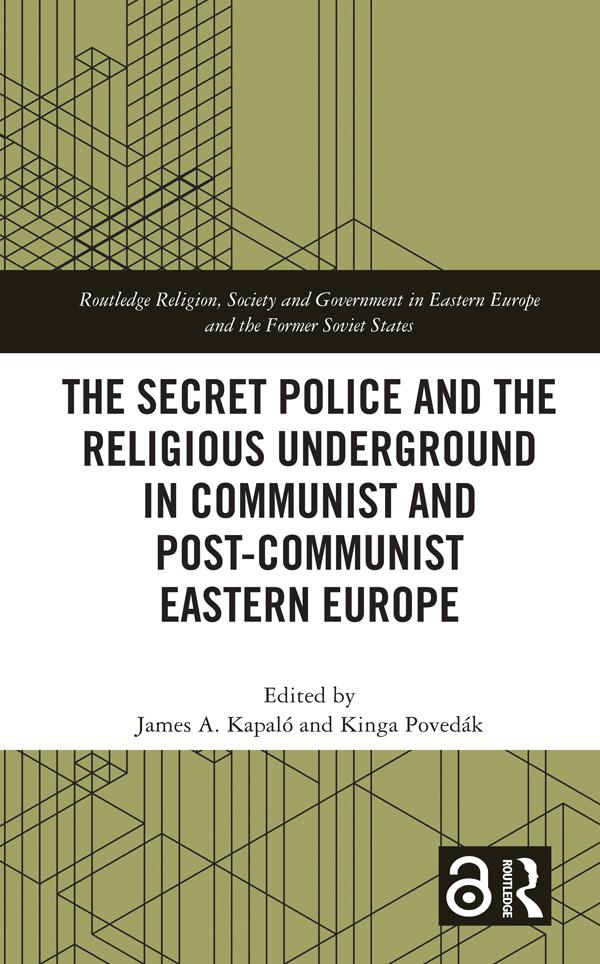
This book addresses the complex intersection of secret police operations and the formation of the religious underground in communist-era Eastern Europe. It discusses how religious groups were perceived as dangerous to the totalitarian state whilst also being extremely vulnerable and yet at the same time very resourceful. It explores how this particular dynamic created the concept of the "religious underground" and produced an extremely rich secret police archival record. In a series of studies from across the region, the book explores the historical and legal context of secret police entanglement with religious groups, presents case studies on particular anti-religious operations and groups, offers methodological approaches to the secret police materials for the study of religions, and engages in contemporary ethical and political debates on the legacy and meaning of the archives in post-communism.
Płać wygodnie kartą, Klarną, Apple Pay lub Google Pay. Nie jesteś zadowolony? Zawsze masz 14-dniową gwarancję zwrotu pieniędzy. Więcej przeczytasz w naszych warunkach. Masz pytania? Napisz do nas na hello@memmo.org.
Memmo ułatwia naukę – gdziekolwiek jesteś na świecie. U nas znajdziesz podręczniki i sprytne narzędzia do nauki w jednym miejscu: streszczenia, quizy, podcasty i fiszki. A do tego Ted, Twój kumpel do nauki, który odpowie na wszystko, co Cię nurtuje. Ponad 50 000 studentów już tu się uczy – stworzone, byś uczył się szybciej i mniej stresował.