
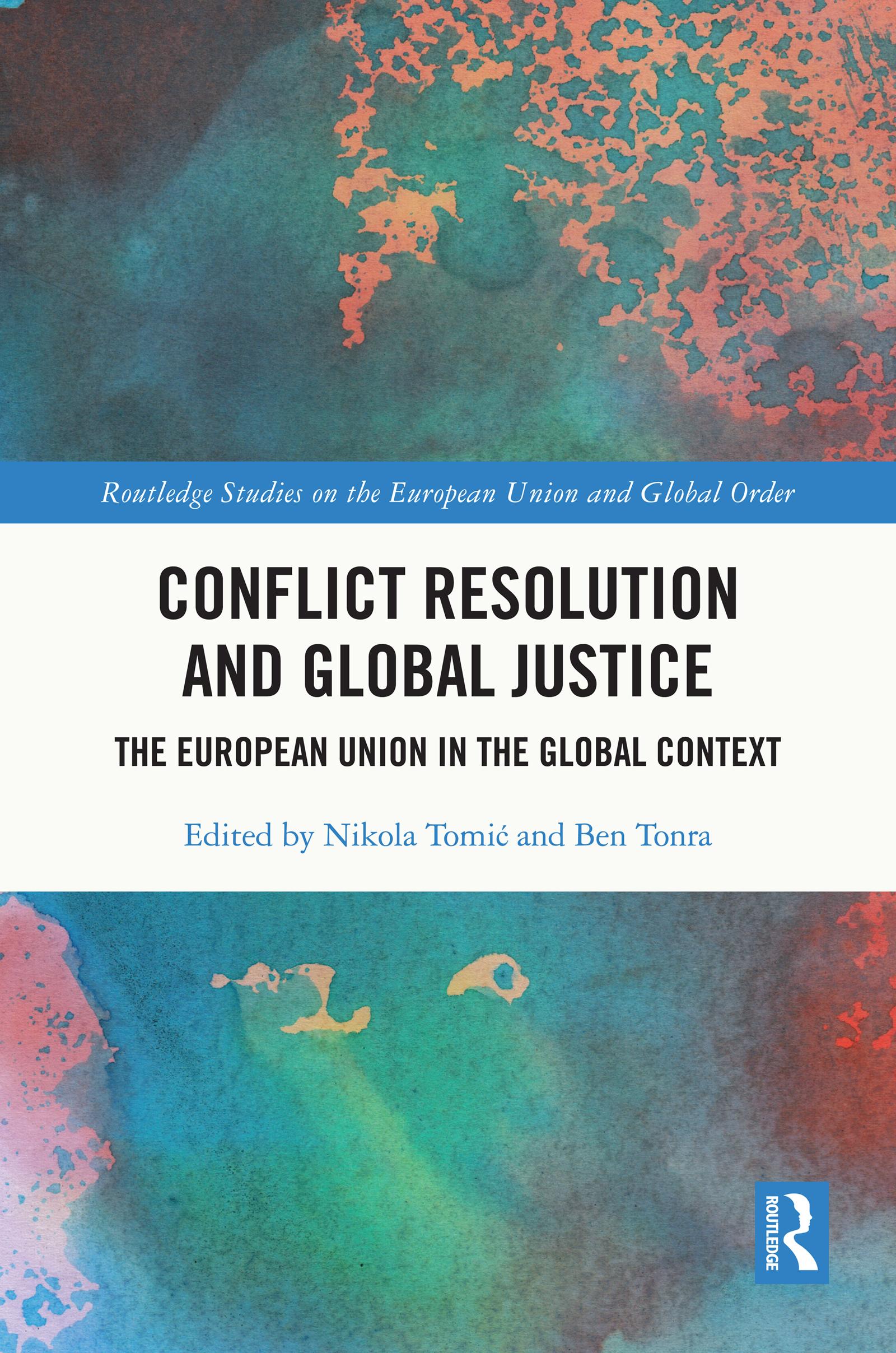
This book examines how the different normative foundations of conflict resolution held by various global actors, their understandings of justice, and the differences between types of conflict influence the varying means by which conflicts can be prevented, managed, and ultimately resolved.
By combining insights from political theory, conflict studies, and European Union (EU) foreign policy studies, the book identifies the EU as the key case of a conflict manager that is both a product and a defender of a global liberal order. It focuses on three aspects of conflict resolution that pose their own sets of both normative and empirical dilemmas: resolving border disputes; strengthening the resilience of weak or divided states and societies after regime change, and intervention in humanitarian crises. Furthermore, it offers a comparative analysis between a potentially distinctive European approach and that of other global actors and reflects critically on situations where policy practice may not always reflect a concern for justice, asking what countervailing forces prevail and why.
This book will be of key interest to scholars and students in European and EU Studies, Area studies, Conflict Resolution, War Studies, EU Foreign Policy Political Theory, International relations as well as policymakers.
Płać wygodnie kartą, Klarną, Apple Pay lub Google Pay. Nie jesteś zadowolony? Zawsze masz 14-dniową gwarancję zwrotu pieniędzy. Więcej przeczytasz w naszych warunkach. Masz pytania? Napisz do nas na hello@memmo.org.
Memmo ułatwia naukę – gdziekolwiek jesteś na świecie. U nas znajdziesz podręczniki i sprytne narzędzia do nauki w jednym miejscu: streszczenia, quizy, podcasty i fiszki. A do tego Ted, Twój kumpel do nauki, który odpowie na wszystko, co Cię nurtuje. Ponad 50 000 studentów już tu się uczy – stworzone, byś uczył się szybciej i mniej stresował.