
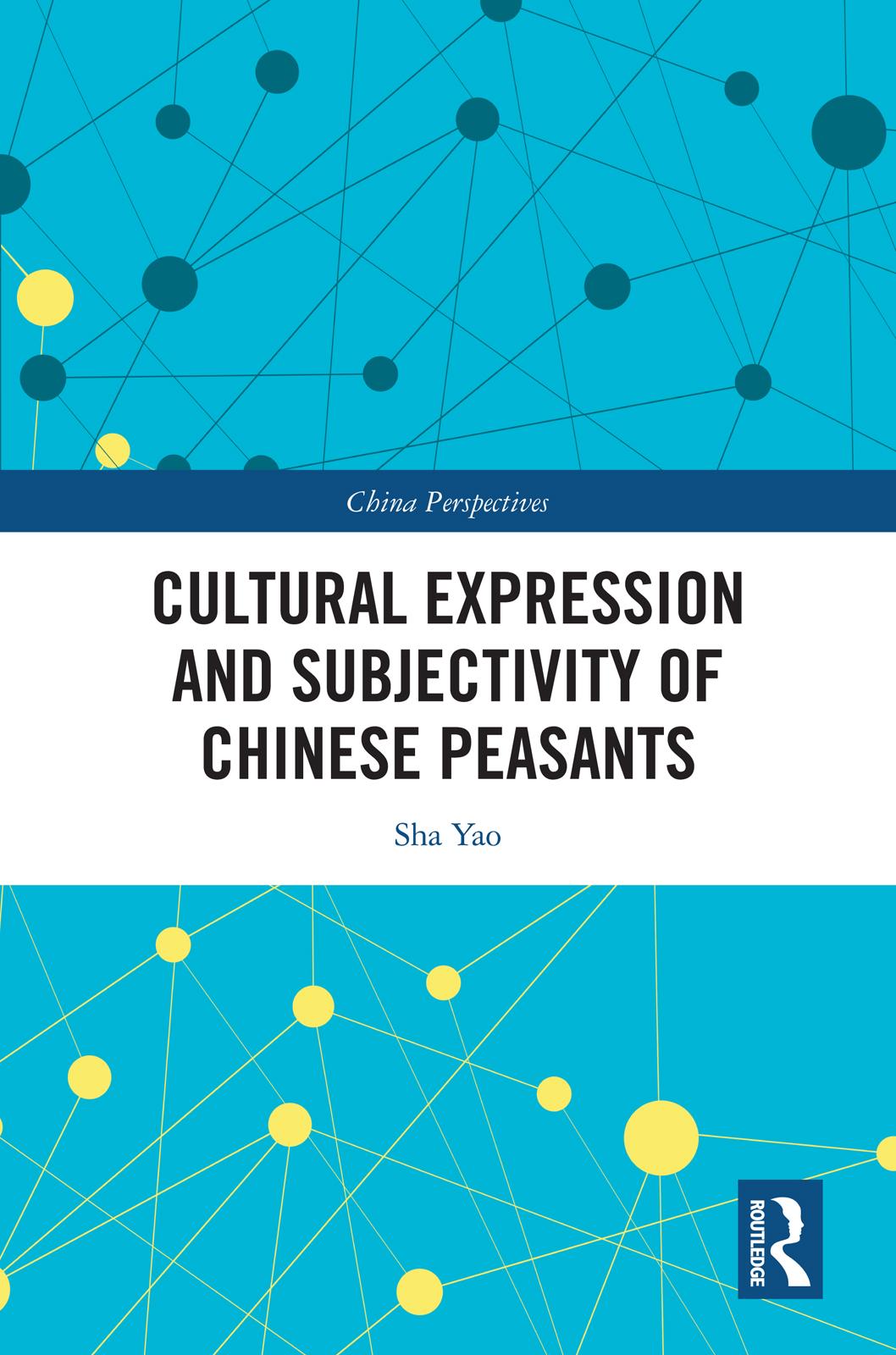
As the famous sociologist Fei Xiaotong argued, “the real life of most Chinese can only be seen in the villages.” Peasants not only comprise a significant part of the Chinese population but represent a distinctive culture and one that is expressed in its own particular way. This makes for an important area of study for scholars in communication studies.
This volume investigates how Chinese peasants express their culture and adapt to social change. The author’s research consists of participant observation and interviews of shadow puppetry artists in Guanzhong, China, illustrating how peasant artists have adapted to the historical and social changes since the founding of the People’s Republic of China. He discovers that Chinese peasants integrate urban popular culture with their own aesthetic criteria, even if the mainstream discourse of the Chinese community overlooks the subjectivity of peasants. He goes on to put forwards a creative analytical framework for the studies of the dynamics of “subject-time-space.”
Scholars and students of anthropology, sociology, and communication studies, especially rural communication studies, will find this an ideal case study.
Płać wygodnie kartą, Klarną, Apple Pay lub Google Pay. Nie jesteś zadowolony? Zawsze masz 14-dniową gwarancję zwrotu pieniędzy. Więcej przeczytasz w naszych warunkach. Masz pytania? Napisz do nas na hello@memmo.org.
Memmo ułatwia naukę – gdziekolwiek jesteś na świecie. U nas znajdziesz podręczniki i sprytne narzędzia do nauki w jednym miejscu: streszczenia, quizy, podcasty i fiszki. A do tego Ted, Twój kumpel do nauki, który odpowie na wszystko, co Cię nurtuje. Ponad 50 000 studentów już tu się uczy – stworzone, byś uczył się szybciej i mniej stresował.