
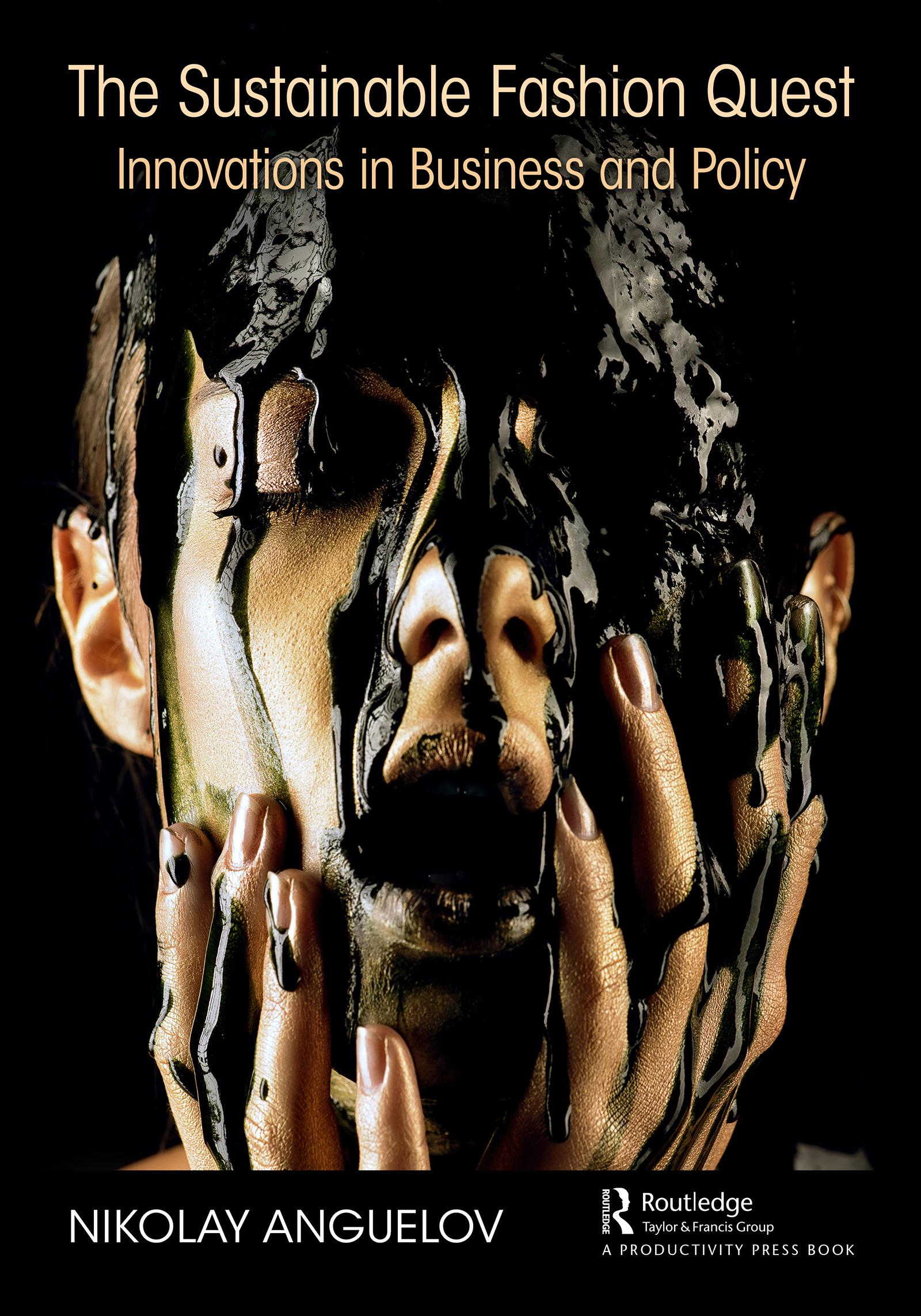
When thinking about lowering or changing consumption to lower carbon footprints, the obvious offenders come easily to mind: petroleum and petroleum products, paper and plastic, even food, but not clothes.
When people evaluate ways to lower their personal carbon footprint by changing purchasing habits, they are bombarded with information to avoid petroleum and petroleum products, plastics, paper, even food, but not clothes. Most consumers do not think of clothes as a source of environmental damage. Yet, clothes are made with petroleum products through chemically-laden industrial processes that generate significant pollution. The fashion industry is among the largest organic water polluters in the world, accounting for significant greenhouse gas emissions and generating massive amounts of waste as a function of the frequent discarding of used clothing.
In the Dirty Side of the Garment Industry: Fast Fashion and Its Negative Impact on Environment and Society, author Nikolay Anguelov exposed the ecological damage from the fast-fashion business model. In this book, The Sustainable Fashion Quest: Innovations in Business and Policy, the author takes this one step further by focusing on solutions. This book uses the familiar (yet complex) industry of fashion as a lens to examine how business pressures and national and international policies can have both positive and negative social and ecological impacts. It provides an analysis of extant and emerging policies to address the divergence in the ongoing quest to maximize economic development and minimize the social costs of the industrialization process. It also examines emerging technologies and innovative business models that have the potential to revolutionize how fashion is perceived, manufactured, and consumed.
This book begins with an introductory letter that outlines the social and environmental issues facing the fashion industry, as well as emphasizing the seriousness and urgency of addressing them. Each chapter then focuses on a major aspect of the industry with an increasing emphasis on policy. The chapters outline the impact of global-level and business-level decisions on the industry’s success, its social and environmental impact, and its relationship to consumers. The goal of the book is to define that transition, explain its challenges, and educate readers on the possibilities to become powerful drivers of change through their professional actions and their personal behavior as consumers.
While the book specifically analyzes the fashion industry, it also explains the implications for other industrial sectors. It uses a product everyone is familiar with (we all buy clothes, after all) to examine the decisions, impacts, and policies shaping the industry behind the scenes. The linkages are applicable to other fast-moving consumer goods (FMCG) business sectors, such as consumer electronics, which are starting to face sustainability criticism for relying on a business model of promoting a high frequency of repeat purchasing.
Płać wygodnie kartą, Klarną, Apple Pay lub Google Pay. Nie jesteś zadowolony? Zawsze masz 14-dniową gwarancję zwrotu pieniędzy. Więcej przeczytasz w naszych warunkach. Masz pytania? Napisz do nas na hello@memmo.org.
Memmo ułatwia naukę – gdziekolwiek jesteś na świecie. U nas znajdziesz podręczniki i sprytne narzędzia do nauki w jednym miejscu: streszczenia, quizy, podcasty i fiszki. A do tego Ted, Twój kumpel do nauki, który odpowie na wszystko, co Cię nurtuje. Ponad 50 000 studentów już tu się uczy – stworzone, byś uczył się szybciej i mniej stresował.