
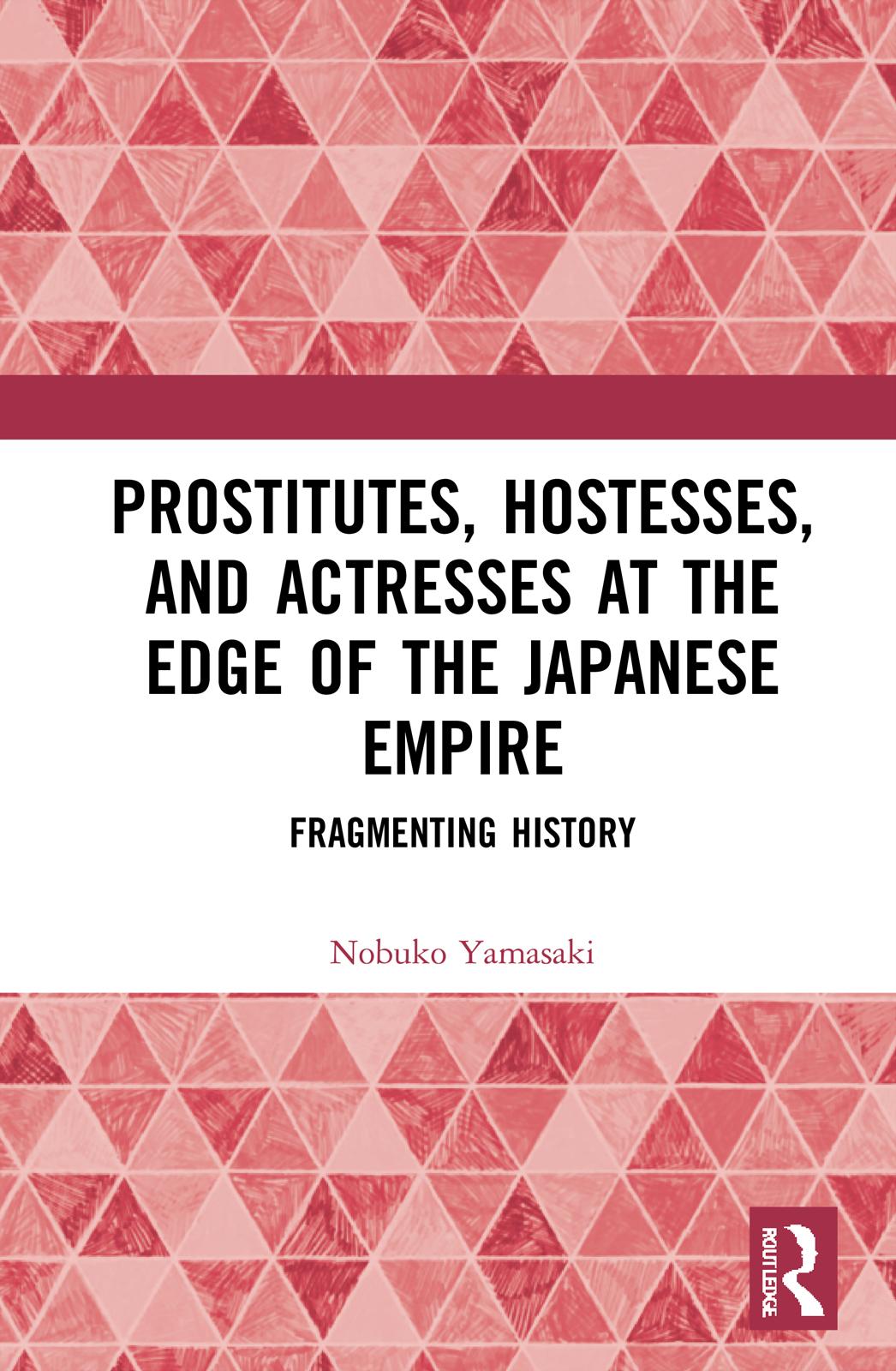
Analysing materials from literature and film, this book considers the fates of women who did not or could not buy into the Japanese imperial ideology of "good wives, wise mothers" in support of male empire-building.
Although many feminist critics have articulated women’s active roles as dutiful collaborators for the Japanese empire, male-dominated narratives of empire-building have been largely supported and rectified. In contrast, the roles of marginalized women, such as sex workers, women entertainers, hostesses, and hibakusha have rarely been analyzed. This book addresses this intellectual lacuna by closely examining memories, (semi-)autobiographical stories, and newspaper articles, grounded or inspired by lived experiences not only in Japan, but also in Shanghai, Manchukuo, colonial Korea, and the Pacific. Chapters further explore the voices of diasporic Korean women (Zainichi Korean woman born in Japan, as well as Korean American woman born in Korea) whose lives were impacted, intervening ethnocentric narratives that were at the heart of the Japanese empire. An appendix presents the first English translation of a memorable statement on comfort women by former Japanese propaganda actress, Ri Kōran / Yamaguchi Yoshiko.
Prostitutes, Hostesses, and Actresses at the Edge of the Japanese Empire will appeal to students and scholars of Japanese literature and film studies, as well as gender, sexuality and postcolonial studies.
Płać wygodnie kartą, Klarną, Apple Pay lub Google Pay. Nie jesteś zadowolony? Zawsze masz 14-dniową gwarancję zwrotu pieniędzy. Więcej przeczytasz w naszych warunkach. Masz pytania? Napisz do nas na hello@memmo.org.
Memmo ułatwia naukę – gdziekolwiek jesteś na świecie. U nas znajdziesz podręczniki i sprytne narzędzia do nauki w jednym miejscu: streszczenia, quizy, podcasty i fiszki. A do tego Ted, Twój kumpel do nauki, który odpowie na wszystko, co Cię nurtuje. Ponad 50 000 studentów już tu się uczy – stworzone, byś uczył się szybciej i mniej stresował.