
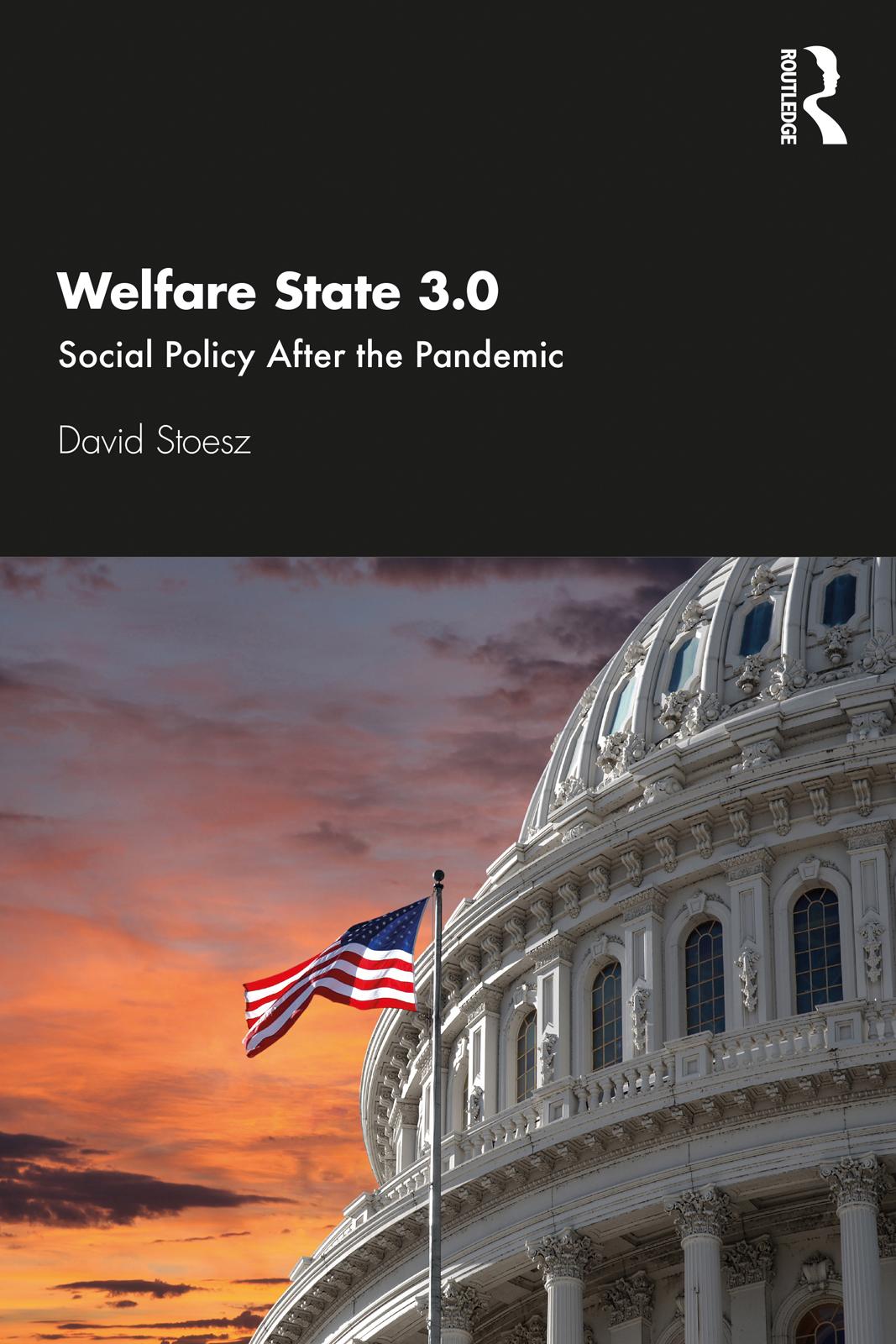
This book identifies specific changes to bring U.S. social policy in accord with the Information Age of the 21st century, in contrast to the policy infrastructure of industrial America.
Welfare State 3.0: Social Policy after the Pandemic acknowledges the existing social infrastructure, considers viable options, and provides supporting data to suggest social policy reform by four strategies: consolidating programs, harmonizing applications, expanding equity, and conducting experiments. The book favors discreet, poignant proposals of social programs. In 12 chapters, the text provides an analysis that honors past accomplishments, recognizes the influence of established stakeholders, and concedes program inadequacies, while plotting specific opportunities for policy improvement. In contrast to liberalism’s tendency toward idealism, the book adopts a realpolitik appreciation for social policy.
Written by one of the most respected academics of U.S. social policy, this book will be required reading for all undergraduate and postgraduate students of social policy, social work, sociology, and U.S. politics more broadly.
Płać wygodnie kartą, Klarną, Apple Pay lub Google Pay. Nie jesteś zadowolony? Zawsze masz 14-dniową gwarancję zwrotu pieniędzy. Więcej przeczytasz w naszych warunkach. Masz pytania? Napisz do nas na hello@memmo.org.
Memmo ułatwia naukę – gdziekolwiek jesteś na świecie. U nas znajdziesz podręczniki i sprytne narzędzia do nauki w jednym miejscu: streszczenia, quizy, podcasty i fiszki. A do tego Ted, Twój kumpel do nauki, który odpowie na wszystko, co Cię nurtuje. Ponad 50 000 studentów już tu się uczy – stworzone, byś uczył się szybciej i mniej stresował.