
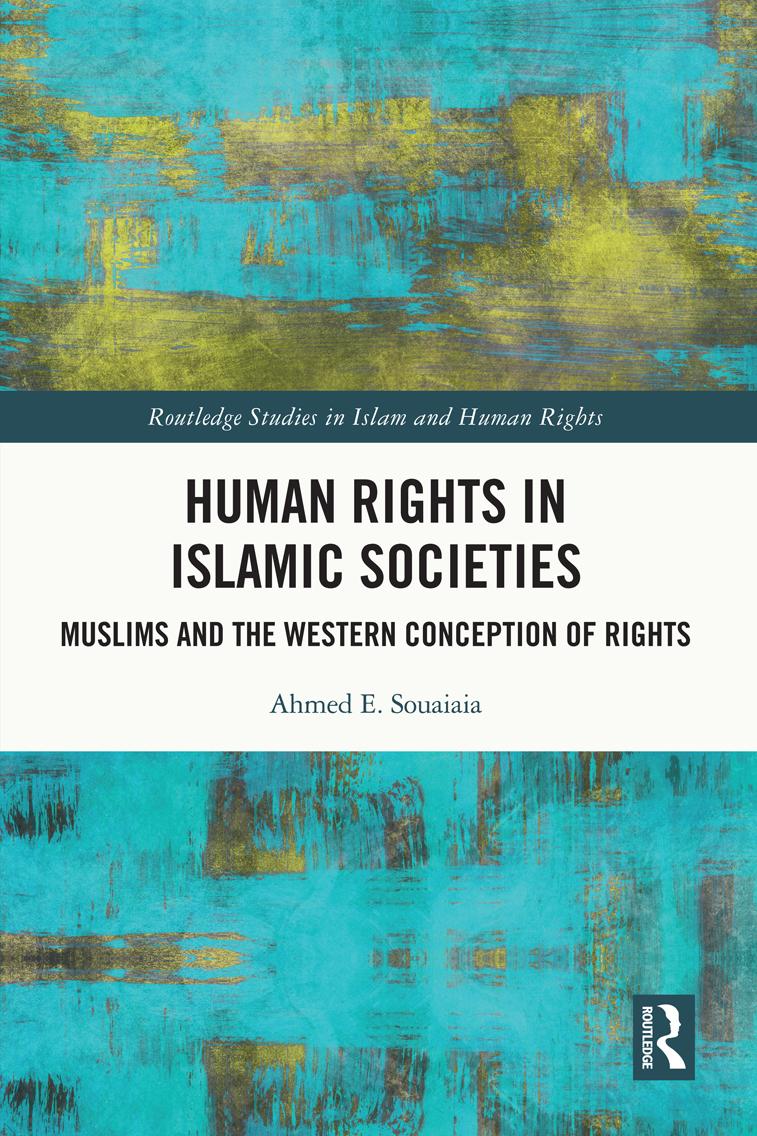
This book compares Islamic and Western ideas of human rights in order to ascertain which human rights, if any, can be considered universal. This is a profound topic with a rich history that is highly relevant within global politics and society today.
The arguments in this book are formed by bringing William Talbott’s Which Rights Should Be Universal? (2005) and Abdulaziz Sachedina’s Islam and the Challenge of Human Rights (2014) into conversation. By bridging the gap between cultural relativists and moral universalists, this book seeks to offer a new model for the understanding of human rights. It contends that human rights abuses are outcomes of complex systems by design and/or by default. Therefore, it proposes that a rigorous systems-thinking approach will contribute to addressing the challenge of human rights.
Engaging with Islamic and Western, historical and contemporary, and relativist and universalist thought, this book is a fresh take on a perennially important issue. As such, it will be a first-rate resource for any scholars working in religious studies, Islamic studies, Middle East studies, ethics, sociology, and law and religion.
Płać wygodnie kartą, Klarną, Apple Pay lub Google Pay. Nie jesteś zadowolony? Zawsze masz 14-dniową gwarancję zwrotu pieniędzy. Więcej przeczytasz w naszych warunkach. Masz pytania? Napisz do nas na hello@memmo.org.
Memmo ułatwia naukę – gdziekolwiek jesteś na świecie. U nas znajdziesz podręczniki i sprytne narzędzia do nauki w jednym miejscu: streszczenia, quizy, podcasty i fiszki. A do tego Ted, Twój kumpel do nauki, który odpowie na wszystko, co Cię nurtuje. Ponad 50 000 studentów już tu się uczy – stworzone, byś uczył się szybciej i mniej stresował.