
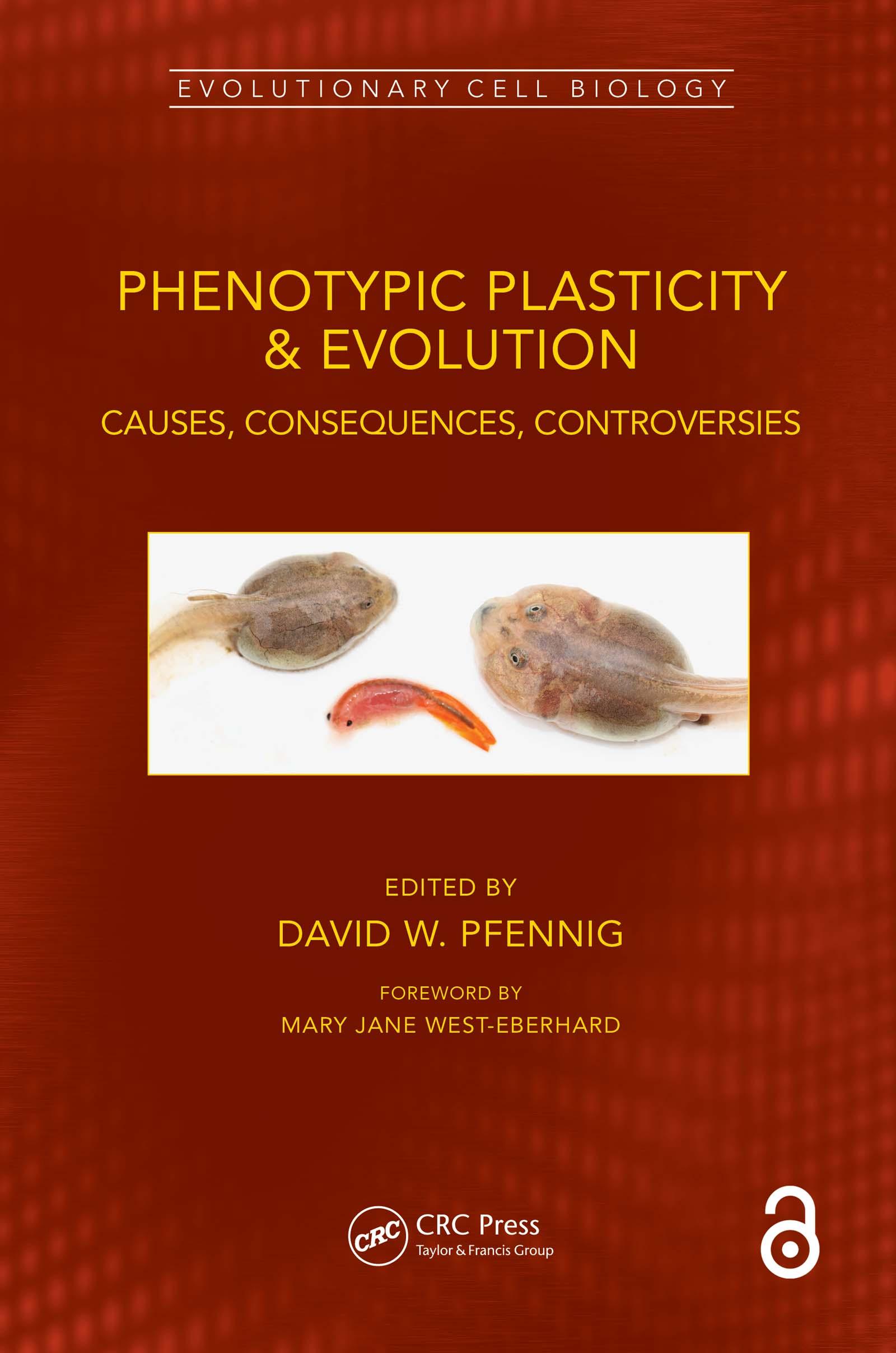
Phenotypic plasticity – the ability of an individual organism to alter its features in direct response to a change in its environment – is ubiquitous. Understanding how and why this phenomenon exists is crucial because it unites all levels of biological inquiry. This book brings together researchers who approach plasticity from diverse perspectives to explore new ideas and recent findings about the causes and consequences of plasticity. Contributors also discuss such controversial topics as how plasticity shapes ecological and evolutionary processes; whether specific plastic responses can be passed to offspring; and whether plasticity has left an important imprint on the history of life. Importantly, each chapter highlights key questions for future research. Drawing on numerous studies of plasticity in natural populations of plants and animals, this book aims to foster greater appreciation for this important, but frequently misunderstood phenomenon.
Key Features
- Written in an accessible style with numerous illustrations, including many in color
- Reviews the history of the study of plasticity, including Darwin’s views
- Most chapters conclude with recommendations for future research
Płać wygodnie kartą, Klarną, Apple Pay lub Google Pay. Nie jesteś zadowolony? Zawsze masz 14-dniową gwarancję zwrotu pieniędzy. Więcej przeczytasz w naszych warunkach. Masz pytania? Napisz do nas na hello@memmo.org.
Memmo ułatwia naukę – gdziekolwiek jesteś na świecie. U nas znajdziesz podręczniki i sprytne narzędzia do nauki w jednym miejscu: streszczenia, quizy, podcasty i fiszki. A do tego Ted, Twój kumpel do nauki, który odpowie na wszystko, co Cię nurtuje. Ponad 50 000 studentów już tu się uczy – stworzone, byś uczył się szybciej i mniej stresował.