
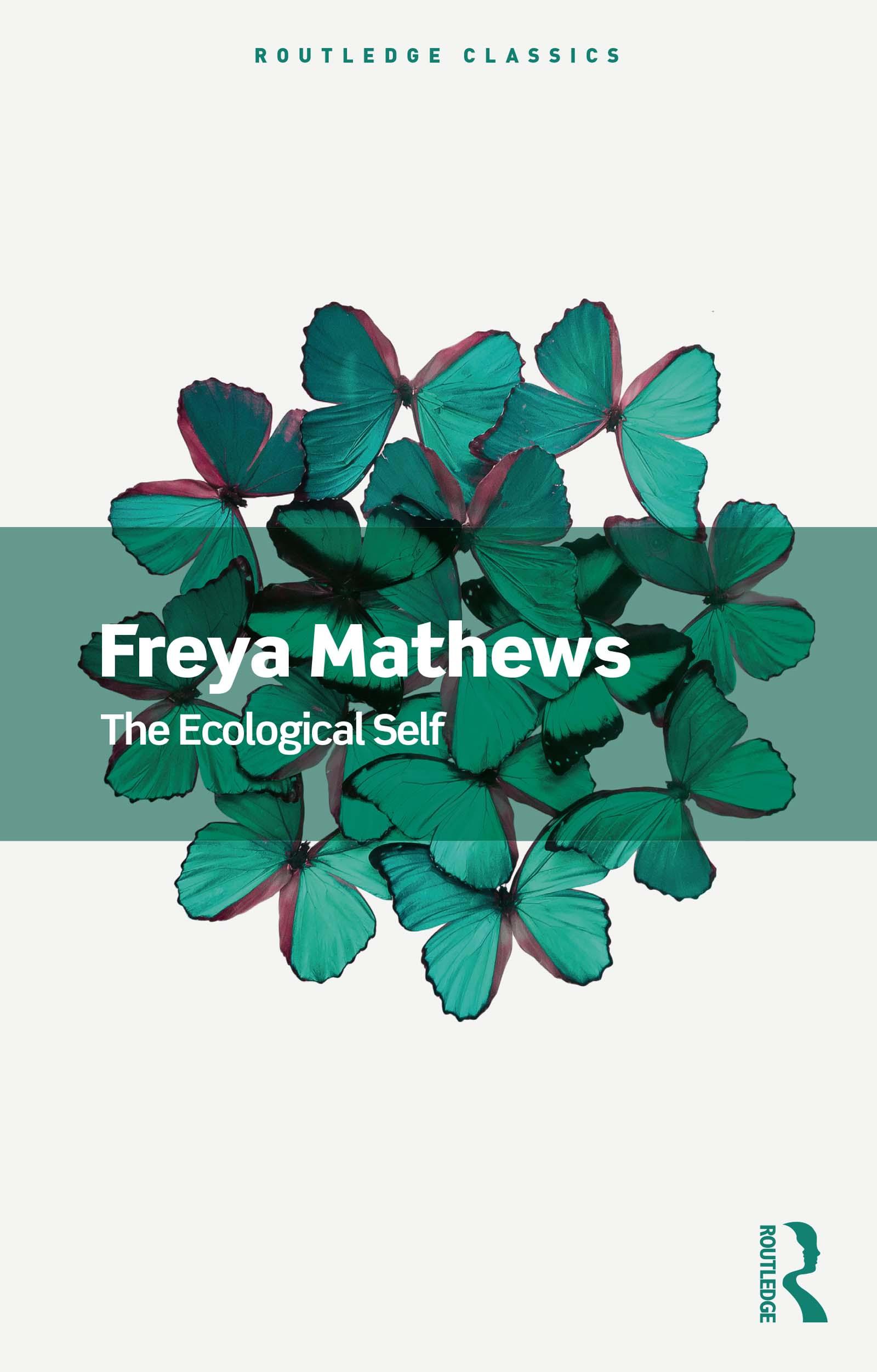
Environmental disasters, from wildfires and vanishing species to flooding and drought, have increased dramatically in recent years and debates about the environment are rarely far from the headlines. There is growing awareness that these disasters are connected – indeed, that in the fabric of nature everything is interconnected. However, until the publication of Freya Mathews' The Ecological Self, there had been remarkably few attempts to provide a conceptual foundation for such interconnectedness that brought together philosophy and science.
In this acclaimed book, Mathews skilfully weaves together a thought-provoking metaphysics of the environment. She connects the ideas of the seventeenth-century philosopher Spinoza with twentieth-century systems theory and Einstein’s physics to argue that the atomistic cosmology inherited from Newton gave credence to a picture of the universe as fragmented, rather than as whole. Furthermore, it is such faulty thinking that presents human beings as similarly disconnected and individualistic, with the dire consequence that they regard nature as of purely instrumental rather than intrinsic value. She concludes by arguing for an ethics of ecological interdependence and for a basic egalitarianism among living species.
A compelling and fascinating account of how we must change our thinking about the environment, The Ecological Self is a classic of ecological and environmental thinking.
This Routledge Classics edition includes a substantial new Introduction by the author.
Płać wygodnie kartą, Klarną, Apple Pay lub Google Pay. Nie jesteś zadowolony? Zawsze masz 14-dniową gwarancję zwrotu pieniędzy. Więcej przeczytasz w naszych warunkach. Masz pytania? Napisz do nas na hello@memmo.org.
Memmo ułatwia naukę – gdziekolwiek jesteś na świecie. U nas znajdziesz podręczniki i sprytne narzędzia do nauki w jednym miejscu: streszczenia, quizy, podcasty i fiszki. A do tego Ted, Twój kumpel do nauki, który odpowie na wszystko, co Cię nurtuje. Ponad 50 000 studentów już tu się uczy – stworzone, byś uczył się szybciej i mniej stresował.