
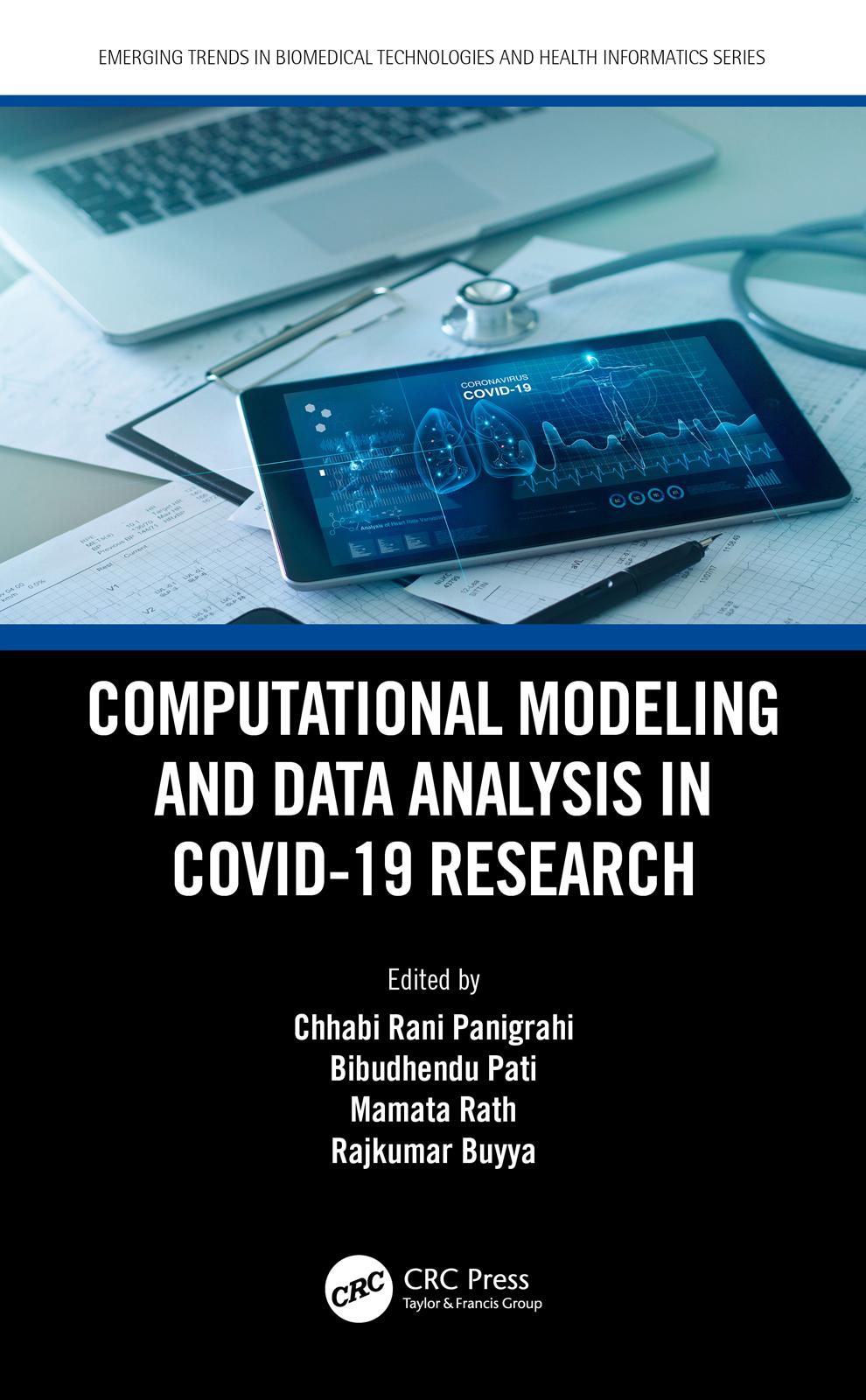
This book covers recent research on the COVID-19 pandemic. It includes the analysis, implementation, usage, and proposed ideas and models with architecture to handle the COVID-19 outbreak. Using advanced technologies such as artificial intelligence (AI) and machine learning (ML), techniques for data analysis, this book will be helpful to mitigate exposure and ensure public health. We know prevention is better than cure, so by using several ML techniques, researchers can try to predict the disease in its early stage and develop more effective medications and treatments. Computational technologies in areas like AI, ML, Internet of Things (IoT), and drone technologies underlie a range of applications that can be developed and utilized for this purpose. Because in most cases there is no one solution to stop the spreading of pandemic diseases, and the integration of several tools and tactics are needed. Many successful applications of AI, ML, IoT, and drone technologies already exist, including systems that analyze past data to predict and conclude some useful information for controlling the spread of COVID-19 infections using minimum resources. The AI and ML approach can be helpful to design different models to give a predictive solution for mitigating infection and preventing larger outbreaks. This book:
- Examines the use of artificial intelligence (AI), machine learning (ML), Internet of Things (IoT), and drone technologies as a helpful predictive solution for controlling infection of COVID-19
- Covers recent research related to the COVID-19 pandemic and includes the analysis, implementation, usage, and proposed ideas and models with architecture to handle a pandemic outbreak
- Examines the performance, implementation, architecture, and techniques of different analytical and statistical models related to COVID-19
- Includes different case studies on COVID-19
Dr. Chhabi Rani Panigrahi is Assistant Professor in the Department of Computer Science at Rama Devi Women’s University, Bhubaneswar, India.
Dr. Bibudhendu Pati is Associate Professor and Head of the Department of Computer Science at Rama Devi Women’s University, Bhubaneswar, India.
Dr. Mamata Rath is Assistant Professor in the School of Management (Information Technology) at Birla Global University, Bhubaneswar, India.
Prof. Rajkumar Buyya is a Redmond Barry Distinguished Professor and Director of the Cloud Computing and Distributed Systems (CLOUDS) Laboratory at the University of Melbourne, Australia.
Płać wygodnie kartą, Klarną, Apple Pay lub Google Pay. Nie jesteś zadowolony? Zawsze masz 14-dniową gwarancję zwrotu pieniędzy. Więcej przeczytasz w naszych warunkach. Masz pytania? Napisz do nas na hello@memmo.org.
Memmo ułatwia naukę – gdziekolwiek jesteś na świecie. U nas znajdziesz podręczniki i sprytne narzędzia do nauki w jednym miejscu: streszczenia, quizy, podcasty i fiszki. A do tego Ted, Twój kumpel do nauki, który odpowie na wszystko, co Cię nurtuje. Ponad 50 000 studentów już tu się uczy – stworzone, byś uczył się szybciej i mniej stresował.