
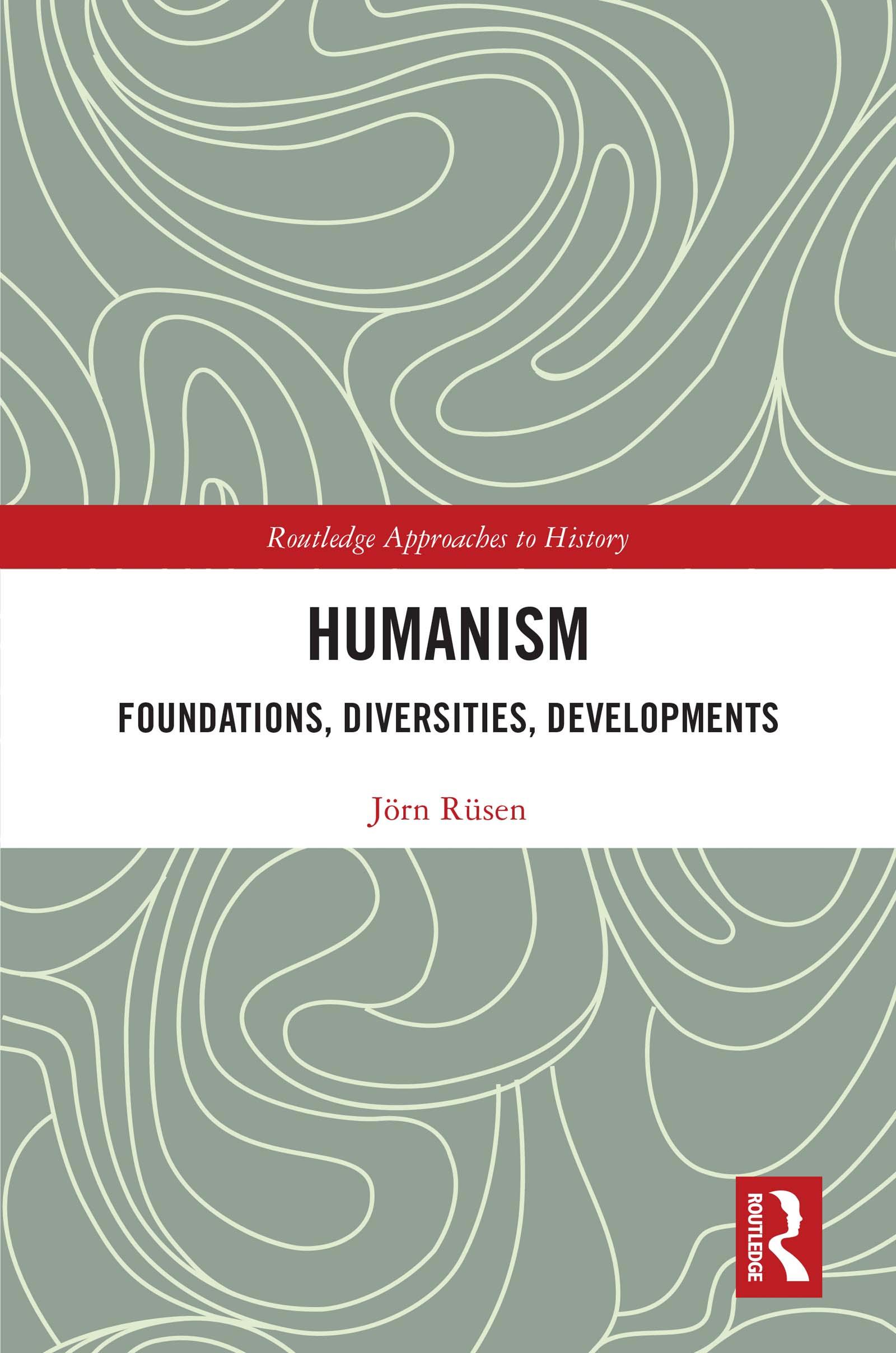
The book describes humanism in a systematic and historical perspective. It analyzes its manifestation and function in cultural studies and its role in the present.
Within the book, special attention is given to the intention of contemporary humanism to overcome ethno-centric elements in the cultural orientation of contemporary living conditions and to develop humane dimensions of this orientation. This is linked to a fundamental critique of the current post-human self-understanding of the humanities. Furthermore, the intercultural aspect in the understanding of humanism is emphasized; for non-Western cultures also have their own humanistic traditions. Two further aspects are also addressed: the Holocaust as the most radical challenge to humanistic thinking and the relationship of humanism to nature.
Sitting at the intersection of history and philosophy, the book is perfect for those exploring humanism from an historical perspective.
Płać wygodnie kartą, Klarną, Apple Pay lub Google Pay. Nie jesteś zadowolony? Zawsze masz 14-dniową gwarancję zwrotu pieniędzy. Więcej przeczytasz w naszych warunkach. Masz pytania? Napisz do nas na hello@memmo.org.
Memmo ułatwia naukę – gdziekolwiek jesteś na świecie. U nas znajdziesz podręczniki i sprytne narzędzia do nauki w jednym miejscu: streszczenia, quizy, podcasty i fiszki. A do tego Ted, Twój kumpel do nauki, który odpowie na wszystko, co Cię nurtuje. Ponad 50 000 studentów już tu się uczy – stworzone, byś uczył się szybciej i mniej stresował.