
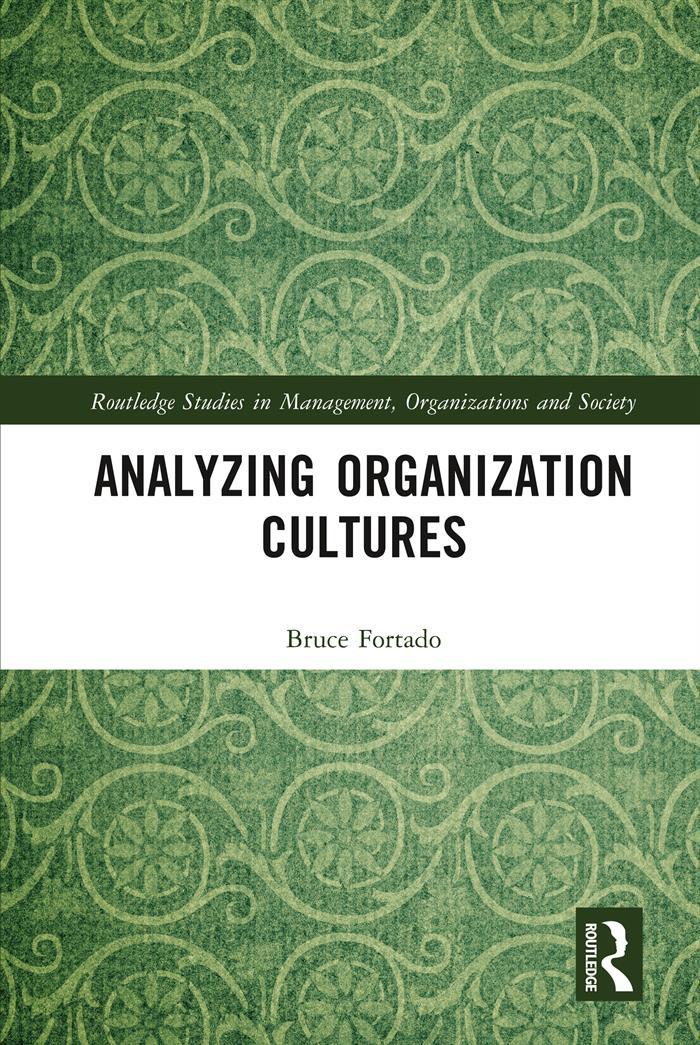
Certain consultants argue leaders can quickly, easily, and considerably alter their organization cultures to improve performance. Conversely, field researchers have described situations where leaders could do little to alter the existing organization culture. Between these extreme positions, a spectrum of varying degrees of leader influence exists, and organizations fall at various places along this spectrum.
This book presents five field studies dealing with team, service, and sales cultures where both expected and unexpected outcomes arose. In multiple instances, leaders hoped showing some employee appreciation would compensate for offering below market average wages. Several leadership groups were prospering based on cost cuts or increased sales. Those below often had their work intensified and they were experiencing greater stress. Eight paradoxical situations were uncovered and the interpretations of the participants were based in part on their personal work histories and the history of their current organization. In each case, evidence of employee informal organization and managerial operating cultures were documented.
Analyzing Organization Cultures uses detailed case studies of five work organizations to offer a comparative approach to analyzing organizational culture. It shows the latest state of knowledge on the topic and will be of interest to researchers, academics, and students in the fields of organizational studies, management history, human resource management, and organizational theory.
Płać wygodnie kartą, Klarną, Apple Pay lub Google Pay. Nie jesteś zadowolony? Zawsze masz 14-dniową gwarancję zwrotu pieniędzy. Więcej przeczytasz w naszych warunkach. Masz pytania? Napisz do nas na hello@memmo.org.
Memmo ułatwia naukę – gdziekolwiek jesteś na świecie. U nas znajdziesz podręczniki i sprytne narzędzia do nauki w jednym miejscu: streszczenia, quizy, podcasty i fiszki. A do tego Ted, Twój kumpel do nauki, który odpowie na wszystko, co Cię nurtuje. Ponad 50 000 studentów już tu się uczy – stworzone, byś uczył się szybciej i mniej stresował.