
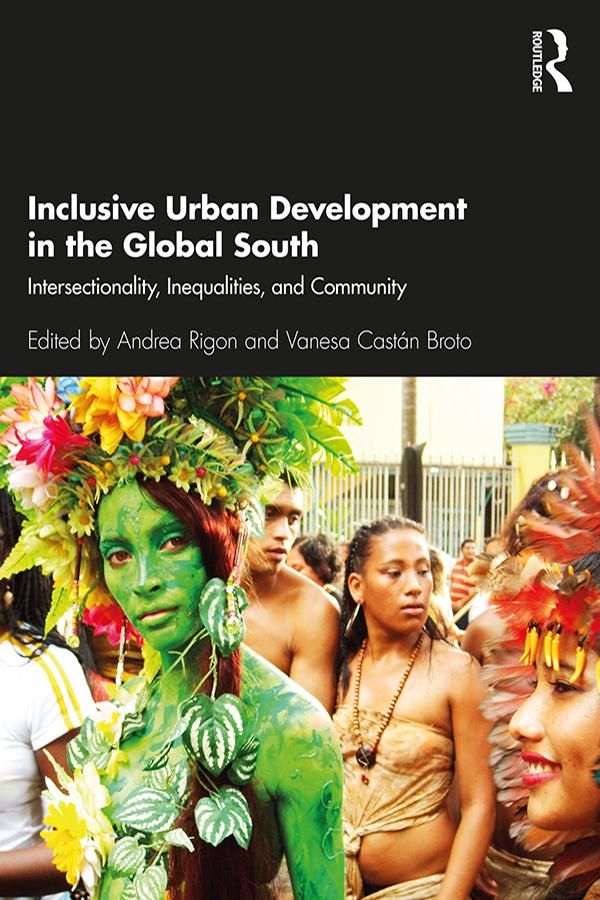
Inclusive Urban Development in the Global South emphasizes the importance of the neighbourhood in urban development planning, with case studies aimed at transforming current intervention practices towards more inclusive and just means of engagement with individuals and communities. The chapters explore how diversity of gender, class, race and ethnicity, citizenship status, age, ability, and sexuality is taken (or not taken) into account and approached in the planning and implementation of development policy and interventions in poor urban areas. The book employs a practical perspective on the deployment of theoretical critiques of intersectionality and diversity in development practice through case studies examining issues such as water and sanitation planning in Dhaka, indigenous rights to the city in Bolivia, post-colonial planning in Hong Kong, land reform in Zimbabwe, and many more. The book focuses on radical alternatives with the potential to foster urban transformations for planning and development communities working around the world.
Płać wygodnie kartą, Klarną, Apple Pay lub Google Pay. Nie jesteś zadowolony? Zawsze masz 14-dniową gwarancję zwrotu pieniędzy. Więcej przeczytasz w naszych warunkach. Masz pytania? Napisz do nas na hello@memmo.org.
Memmo ułatwia naukę – gdziekolwiek jesteś na świecie. U nas znajdziesz podręczniki i sprytne narzędzia do nauki w jednym miejscu: streszczenia, quizy, podcasty i fiszki. A do tego Ted, Twój kumpel do nauki, który odpowie na wszystko, co Cię nurtuje. Ponad 50 000 studentów już tu się uczy – stworzone, byś uczył się szybciej i mniej stresował.