
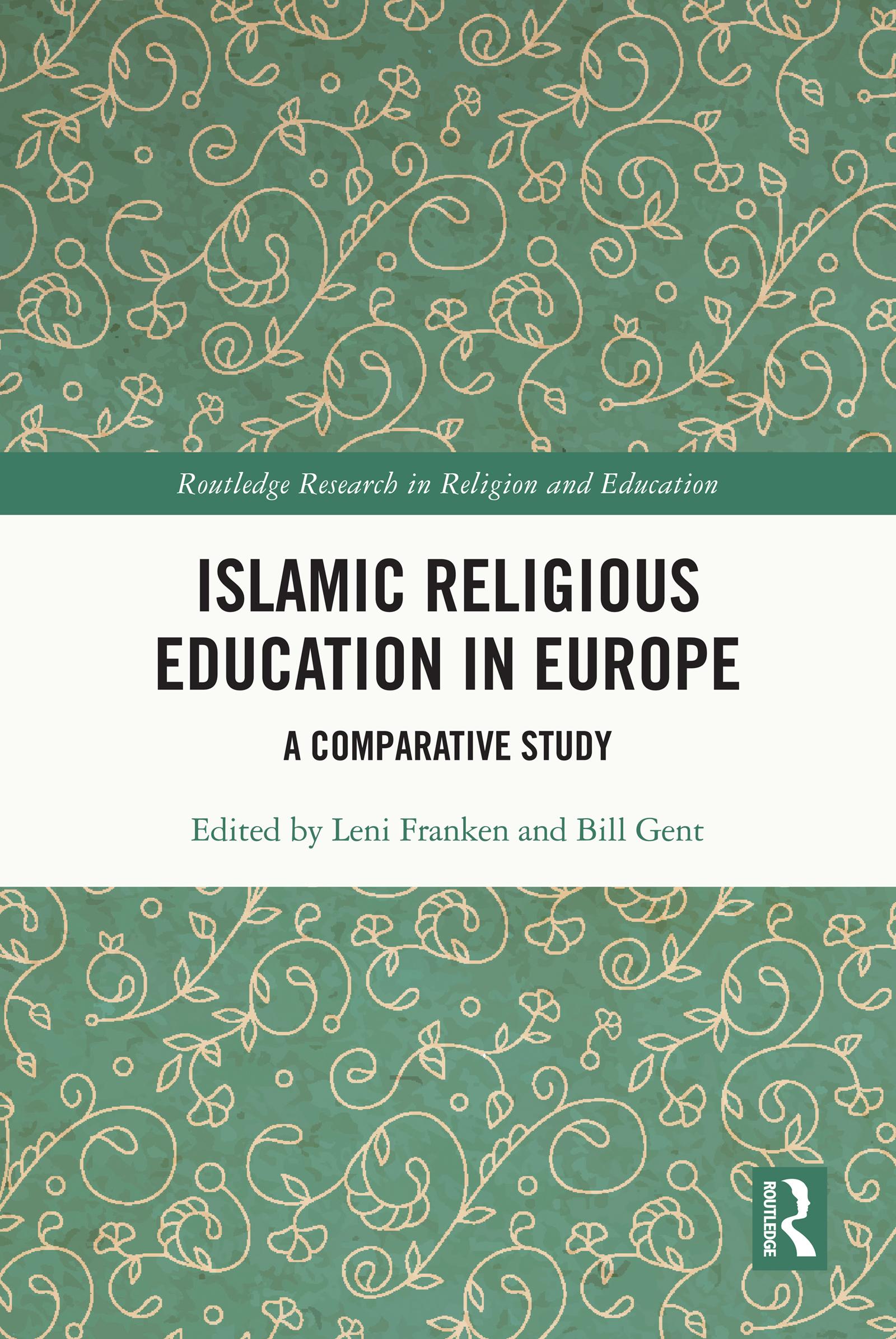
Against the backdrop of labour migration and the ongoing refugee crisis, the ways in which Islam is taught and engaged with in educational settings has become a major topic of contention in Europe. Recognising the need for academic engagement around the challenges and benefits of effective Islamic Religious Education (IRE), this volume offers a comparative study of curricula, teaching materials, and teacher education in fourteen European countries, and in doing so, explores local, national, and international complexities of contemporary IRE.
Considering the ways in which Islam is taught and represented in state schools, public Islamic schools, and non-confessional classes, Part One of this volume includes chapters which survey the varying degrees to which fourteen European States have adopted IRE into curricula, and considers the impacts of varied teaching models on Muslim populations. Moving beyond individual countries’ approaches to IRE, chapters in Part Two offer multi-disciplinary perspectives – from the hermeneutical-critical to the postcolonial – to address challenges posed by religious teachings on issues such as feminism, human rights, and citizenship, and the ways these are approached in European settings.
Given its multi-faceted approach, this book will be an indispensable resource for postgraduate students, scholars, stakeholders and policymakers working at the intersections of religion, education and policy on religious education.
Płać wygodnie kartą, Klarną, Apple Pay lub Google Pay. Nie jesteś zadowolony? Zawsze masz 14-dniową gwarancję zwrotu pieniędzy. Więcej przeczytasz w naszych warunkach. Masz pytania? Napisz do nas na hello@memmo.org.
Memmo ułatwia naukę – gdziekolwiek jesteś na świecie. U nas znajdziesz podręczniki i sprytne narzędzia do nauki w jednym miejscu: streszczenia, quizy, podcasty i fiszki. A do tego Ted, Twój kumpel do nauki, który odpowie na wszystko, co Cię nurtuje. Ponad 50 000 studentów już tu się uczy – stworzone, byś uczył się szybciej i mniej stresował.