
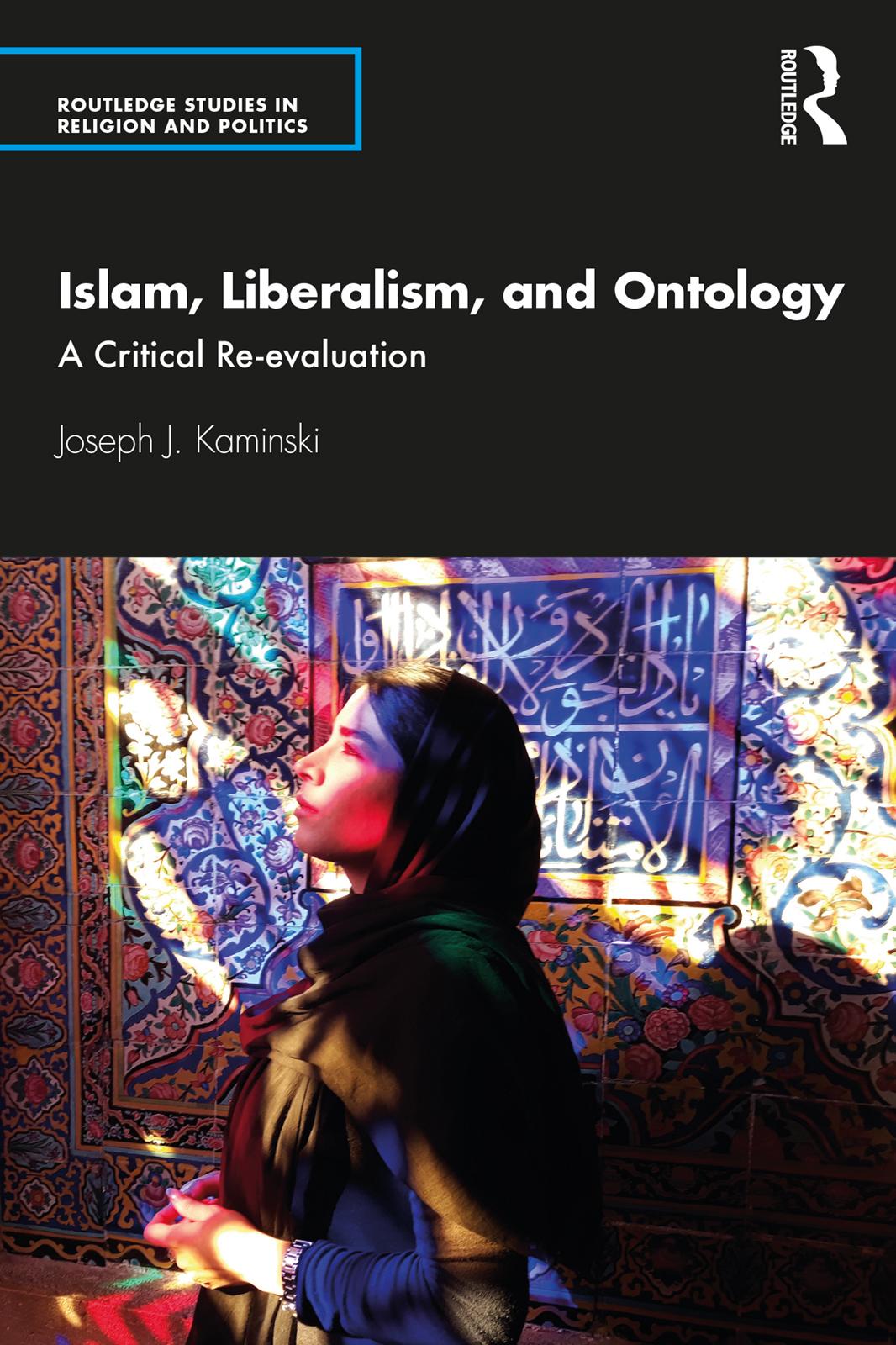
This book offers comparative ontologies of both Islam and liberalism as discourses more broadly construed.
The author argues that, despite recent efforts to speak of overlapping consensuses and discursive congruence, the fundamental categories that constitute "Islam" and "Liberalism" remain very different, and that these differences should be taken seriously. Thus far, no recent scholarly works have explicitly or meticulously broken down where these differences lie. The author rigorously explores questions related to rights, moral epistemologies, the role of religion in the public sphere, and more general approaches to legal discourse, via primary and canonical sources constitutive of both Islam and liberalism. He then goes on to articulate why communitarian modes of thought are better suited for engaging with Islam and contemporary socio-political modes of organization than liberalism is.
This book will be of great interest to students and scholars of politics and international relations, Islam, liberalism, and communitarianism.
Płać wygodnie kartą, Klarną, Apple Pay lub Google Pay. Nie jesteś zadowolony? Zawsze masz 14-dniową gwarancję zwrotu pieniędzy. Więcej przeczytasz w naszych warunkach. Masz pytania? Napisz do nas na hello@memmo.org.
Memmo ułatwia naukę – gdziekolwiek jesteś na świecie. U nas znajdziesz podręczniki i sprytne narzędzia do nauki w jednym miejscu: streszczenia, quizy, podcasty i fiszki. A do tego Ted, Twój kumpel do nauki, który odpowie na wszystko, co Cię nurtuje. Ponad 50 000 studentów już tu się uczy – stworzone, byś uczył się szybciej i mniej stresował.