
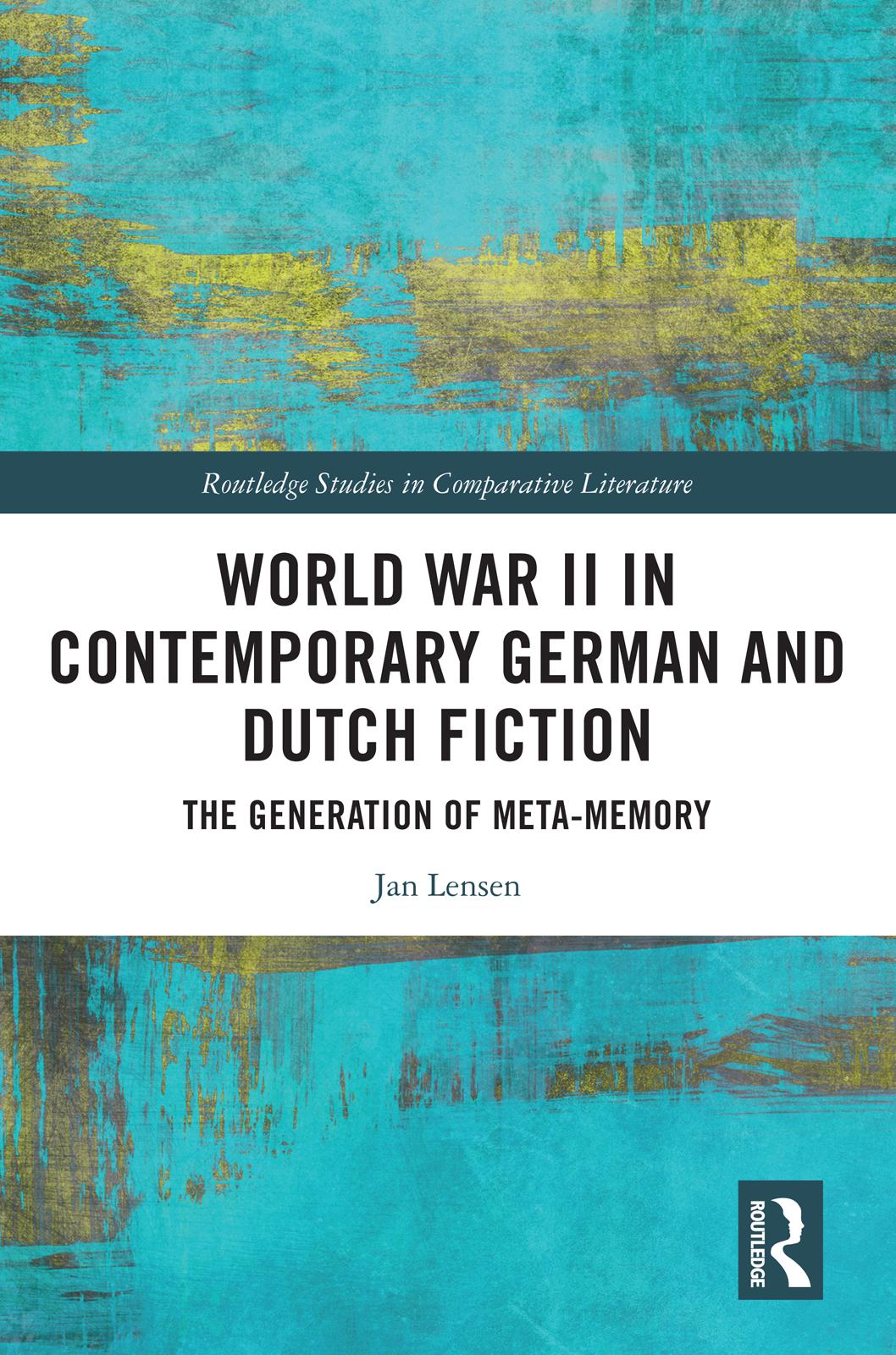
World War II in Contemporary German and Dutch Fiction: The Generation of Meta-Memory offers a comparative study of the construction of World War II memory in contemporary German, Flemish, and Dutch literature. More specifically, it investigates in what ways the large temporal distance to the historical events has impacted how literary writers from these three literatures have negotiated its meaning and form during the last decades. To that end, this book offers analyses of nine novels that demonstrate a pronounced reflexivity on the conditions of contemporary remembering. Rather than a dig for historical truth or a struggle with historical trauma, these novels reflect on the transmission, the narrative shapes, the formation processes, and the functions of World War II memory today, while asserting a self-conscious and often irreverent approach toward established mnemonic routines, practices, and rules. As the analyses show, this approach is equally articulated through the novels’ poetics, which are marked by a large formal diversity and a playfulness that highlights mnemonic agency, a posttraumatic positioning, and the ascendency of the literary over the historiographical. Based on these findings, this book proposes the emergence of a new paradigm within the postwar cultural assessment of World War II: the generation of meta-memory.
Płać wygodnie kartą, Klarną, Apple Pay lub Google Pay. Nie jesteś zadowolony? Zawsze masz 14-dniową gwarancję zwrotu pieniędzy. Więcej przeczytasz w naszych warunkach. Masz pytania? Napisz do nas na hello@memmo.org.
Memmo ułatwia naukę – gdziekolwiek jesteś na świecie. U nas znajdziesz podręczniki i sprytne narzędzia do nauki w jednym miejscu: streszczenia, quizy, podcasty i fiszki. A do tego Ted, Twój kumpel do nauki, który odpowie na wszystko, co Cię nurtuje. Ponad 50 000 studentów już tu się uczy – stworzone, byś uczył się szybciej i mniej stresował.