
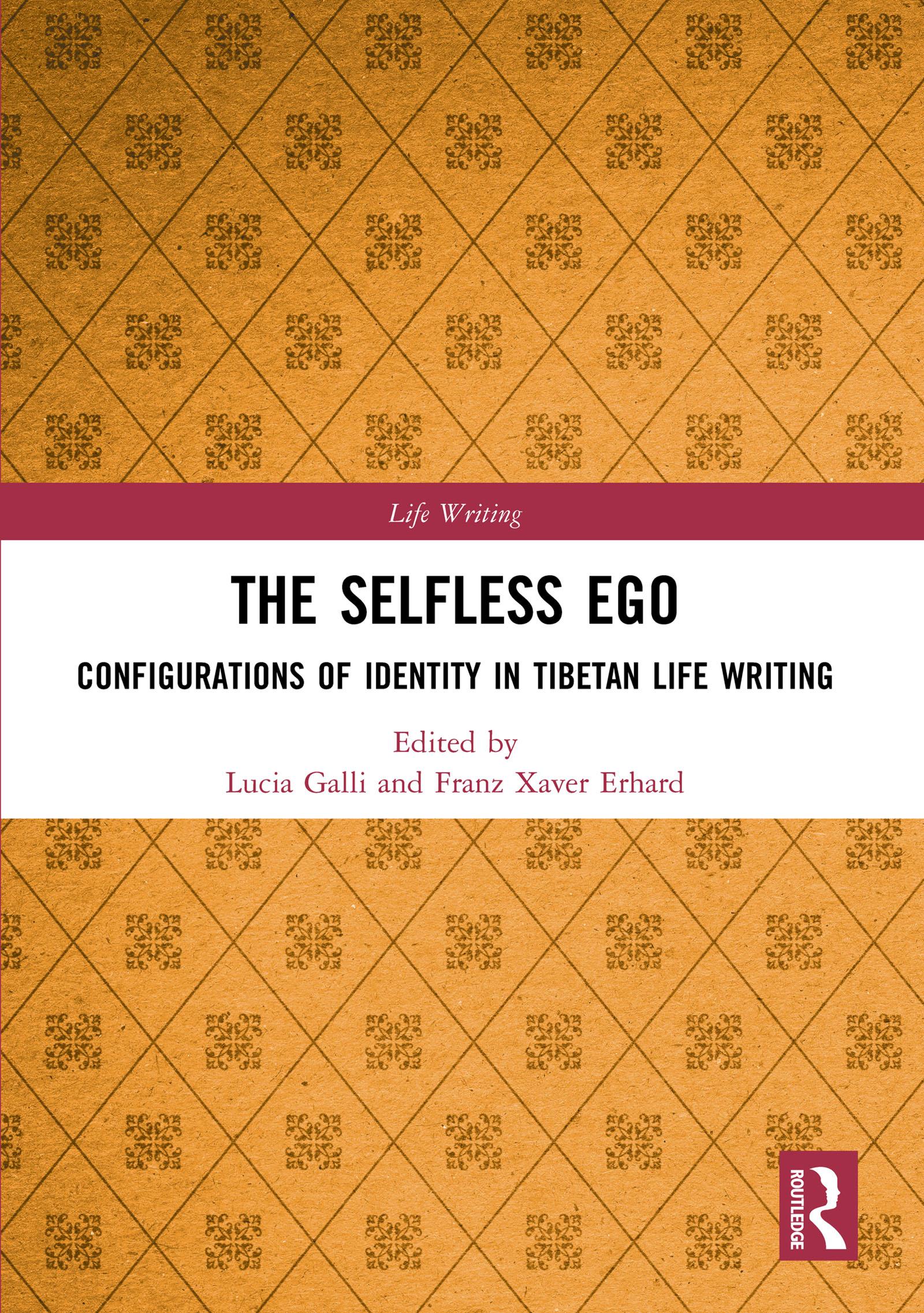
The essays collected in The Selfless Ego propose an innovative approach to one of the most fascinating aspects of Tibetan literature: life writing. Departing from past schemes of interpretation, this book addresses issues of literary theory and identity construction, eluding the strictures imposed by the adoption of the hagiographical master narrative as synonymous with the genre.
The book is divided into two parts. Ideally conceived as an 'introduction' to traditional forms of life writing as expressed in Buddhist milieus, Part I. Memory and Imagination in Tibetan Hagiographical Writing centres on the inner tensions between literary convention and self-expression that permeate indigenous hagiographies, mystical songs, records of teachings, and autobiographies. Part II: Conjuring Tibetan Lives explores the most unconventional traits of the genre, sifting through the narrative configuration of Tibetan biographical writings as 'liberation stories' to unearth those fragments of life that compose an individual’s multifaceted existence.
This volume is the first to approach Tibetan life writing from a literary and narratological perspective, encompassing a wide range of disciplines, themes, media, and historical periods, and thus opening new and vibrant areas of research to future scholarship across the Humanities.
The chapters in this book were originally published as two special issues of Life Writing.
Płać wygodnie kartą, Klarną, Apple Pay lub Google Pay. Nie jesteś zadowolony? Zawsze masz 14-dniową gwarancję zwrotu pieniędzy. Więcej przeczytasz w naszych warunkach. Masz pytania? Napisz do nas na hello@memmo.org.
Memmo ułatwia naukę – gdziekolwiek jesteś na świecie. U nas znajdziesz podręczniki i sprytne narzędzia do nauki w jednym miejscu: streszczenia, quizy, podcasty i fiszki. A do tego Ted, Twój kumpel do nauki, który odpowie na wszystko, co Cię nurtuje. Ponad 50 000 studentów już tu się uczy – stworzone, byś uczył się szybciej i mniej stresował.