
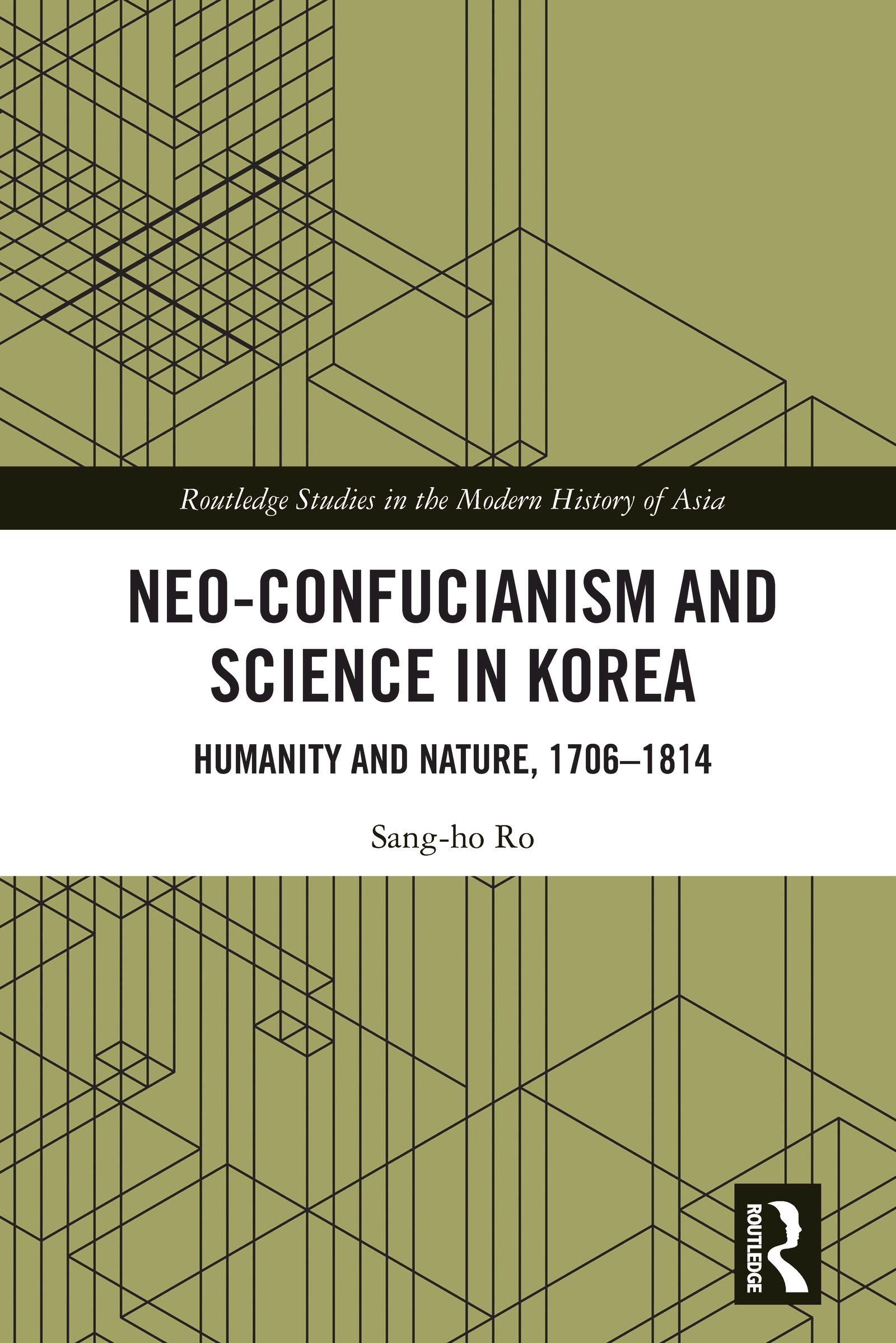
Historians of late premodern Korea have tended to regard it as a hermit kingdom, isolated from its neighbours and the wider world. In fact, as Ro argues in this book, Korean intellectuals were heavily influenced by both Chinese Neo-Confucianism and the European Enlightenment in the late 18th and 19th centuries.
In the late Choson period the regime felt threatened by the new, more empirical, approaches to knowledge emerging from both the East and the West. For this reason many Korean intellectuals felt it necessary to work in the shadows and formed secret societies for the study of nature. Because of the secrecy of these societies, much of their work has remained unknown even in Korea until recent years. Ho looks at the work of these intellectuals and analyses the impact their thinking and experimentation had on knowledge production in Korea.
A fascinating insight into the largely overlooked story of how globalization affected intellectual life in Korea before the 20th century. This book will be of great interest to students and researchers of Korean history and of Asian intellectual history more broadly.
Płać wygodnie kartą, Klarną, Apple Pay lub Google Pay. Nie jesteś zadowolony? Zawsze masz 14-dniową gwarancję zwrotu pieniędzy. Więcej przeczytasz w naszych warunkach. Masz pytania? Napisz do nas na hello@memmo.org.
Memmo ułatwia naukę – gdziekolwiek jesteś na świecie. U nas znajdziesz podręczniki i sprytne narzędzia do nauki w jednym miejscu: streszczenia, quizy, podcasty i fiszki. A do tego Ted, Twój kumpel do nauki, który odpowie na wszystko, co Cię nurtuje. Ponad 50 000 studentów już tu się uczy – stworzone, byś uczył się szybciej i mniej stresował.