
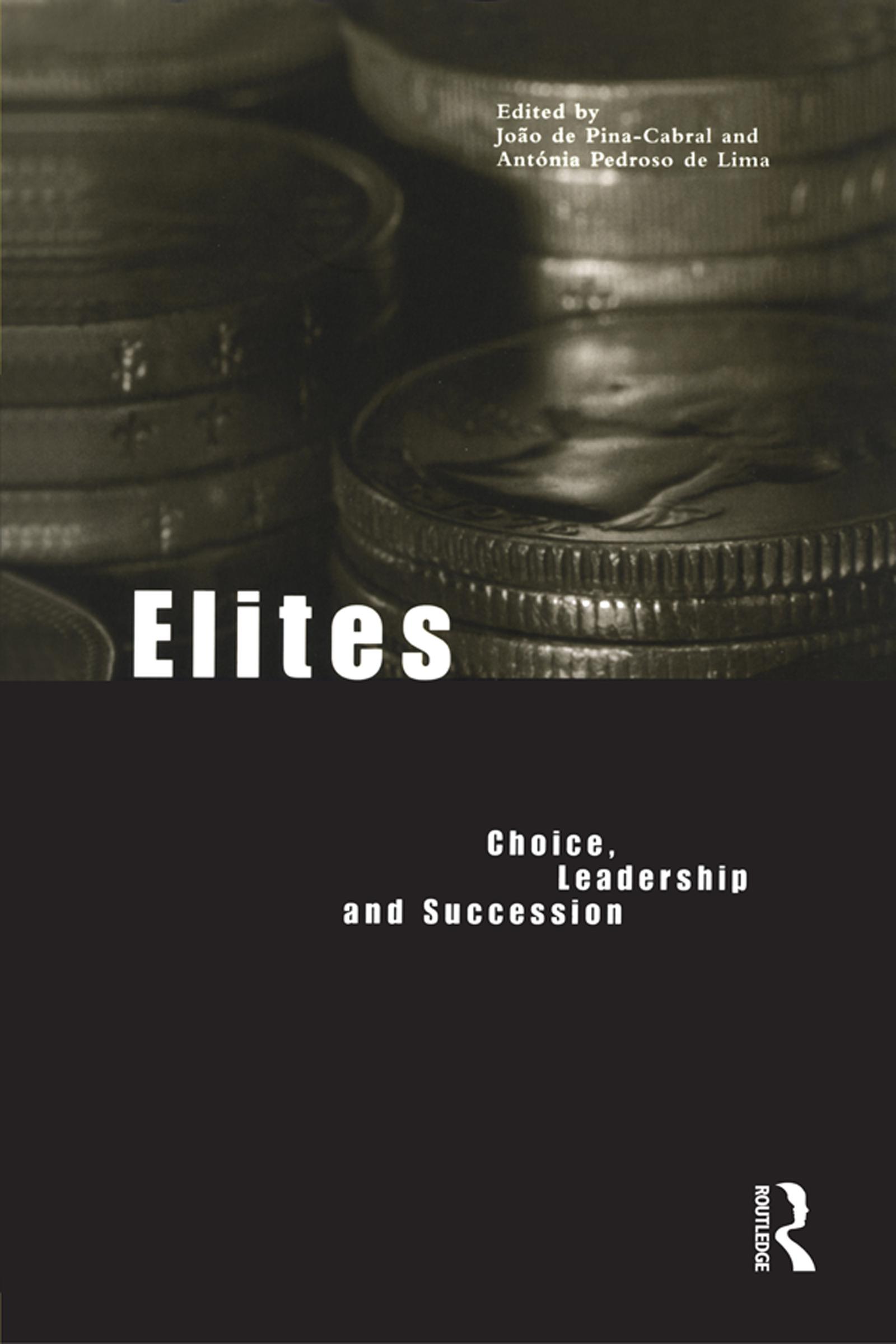
Wealth and power characterize elites, yet despite the strong cultural influences they exert, their study remains underdeveloped. Partly because of complications resulting from access, scholars have tended to focus on groups affected by elite governance rather than on elites themselves. It is often overlooked that, in order to continue through time, elites have toempower new members. Choice has to be exercised over who achieves leadership, both by reference to the elite group itself and to the wider group over which it holds power. This book fills a gap in the current literature by providing the first rigorous interrogation of the choice and succession strategies of elites in various cultural contexts - from the transmission and preservation of financial power in urban contexts to the complex relation between subjectivity and the transmission of leadership positions in places as varied as the United States, Northern Italy and Lisbon. Various elite succession types are discussed, from self-avowedly 'traditional' leaders to the aristocracy, where choice is practically non-existent, to situations where leaders are elected from among a group of peers. The relationship between familial property and choice of successor in landholding families, small business enterprises, and peasant communities is also examined, as are ethnic monopolies.
Płać wygodnie kartą, Klarną, Apple Pay lub Google Pay. Nie jesteś zadowolony? Zawsze masz 14-dniową gwarancję zwrotu pieniędzy. Więcej przeczytasz w naszych warunkach. Masz pytania? Napisz do nas na hello@memmo.org.
Memmo ułatwia naukę – gdziekolwiek jesteś na świecie. U nas znajdziesz podręczniki i sprytne narzędzia do nauki w jednym miejscu: streszczenia, quizy, podcasty i fiszki. A do tego Ted, Twój kumpel do nauki, który odpowie na wszystko, co Cię nurtuje. Ponad 50 000 studentów już tu się uczy – stworzone, byś uczył się szybciej i mniej stresował.
Może Ci się spodobać
Kup książkę0