
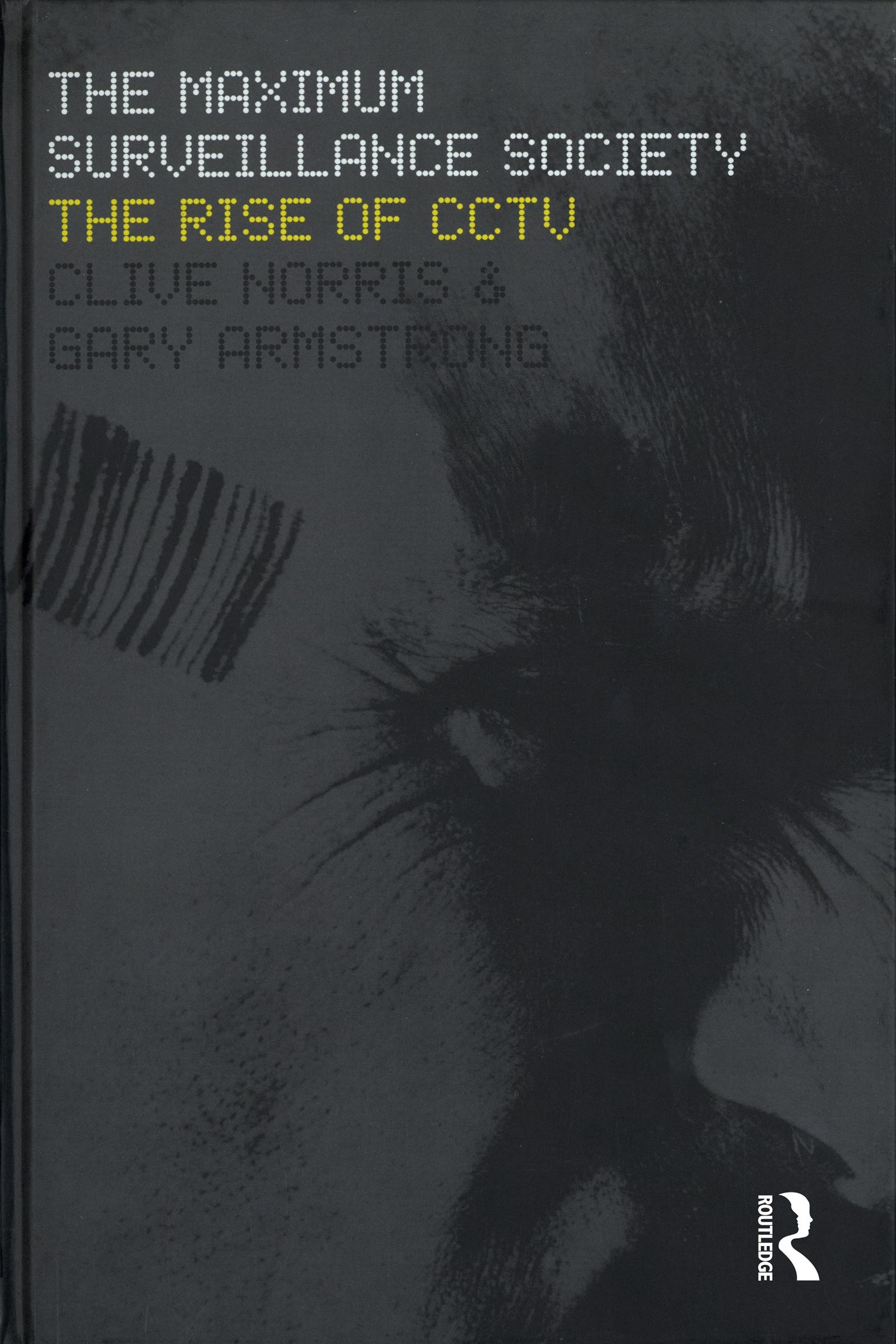
The use of Closed-Circuit Television, or CCTV, has dramatically increased over the past decade, but its presence is often so subtle as to go unnoticed. Should we unthinkingly accept that increased surveillance is in the public's best interests, or does this mean that ‘Big Brother' is finally watching us? This book asks provocative questions about the rise of the maximum surveillance society. Is crime control the principal motivation behind increased surveillance or are the reasons more complex? Does surveillance violate peoples' right of privacy? Who gets surveilled and why? What are its implications for social control? Does surveillance actually reduce crime? What will developments in technology mean for the future of surveillance? What rights do individuals under surveillance have? How is the information gathered through CCTV used by the authorities?Based on extensive fieldwork on automated surveillance in Britain over a two-year period, this book not only attempts to answer these vexing questions, but also provides a wealth of detailed information about the reasoning behind and effects of social control.
Płać wygodnie kartą, Klarną, Apple Pay lub Google Pay. Nie jesteś zadowolony? Zawsze masz 14-dniową gwarancję zwrotu pieniędzy. Więcej przeczytasz w naszych warunkach. Masz pytania? Napisz do nas na hello@memmo.org.
Memmo ułatwia naukę – gdziekolwiek jesteś na świecie. U nas znajdziesz podręczniki i sprytne narzędzia do nauki w jednym miejscu: streszczenia, quizy, podcasty i fiszki. A do tego Ted, Twój kumpel do nauki, który odpowie na wszystko, co Cię nurtuje. Ponad 50 000 studentów już tu się uczy – stworzone, byś uczył się szybciej i mniej stresował.
Może Ci się spodobać
Kup książkę0