
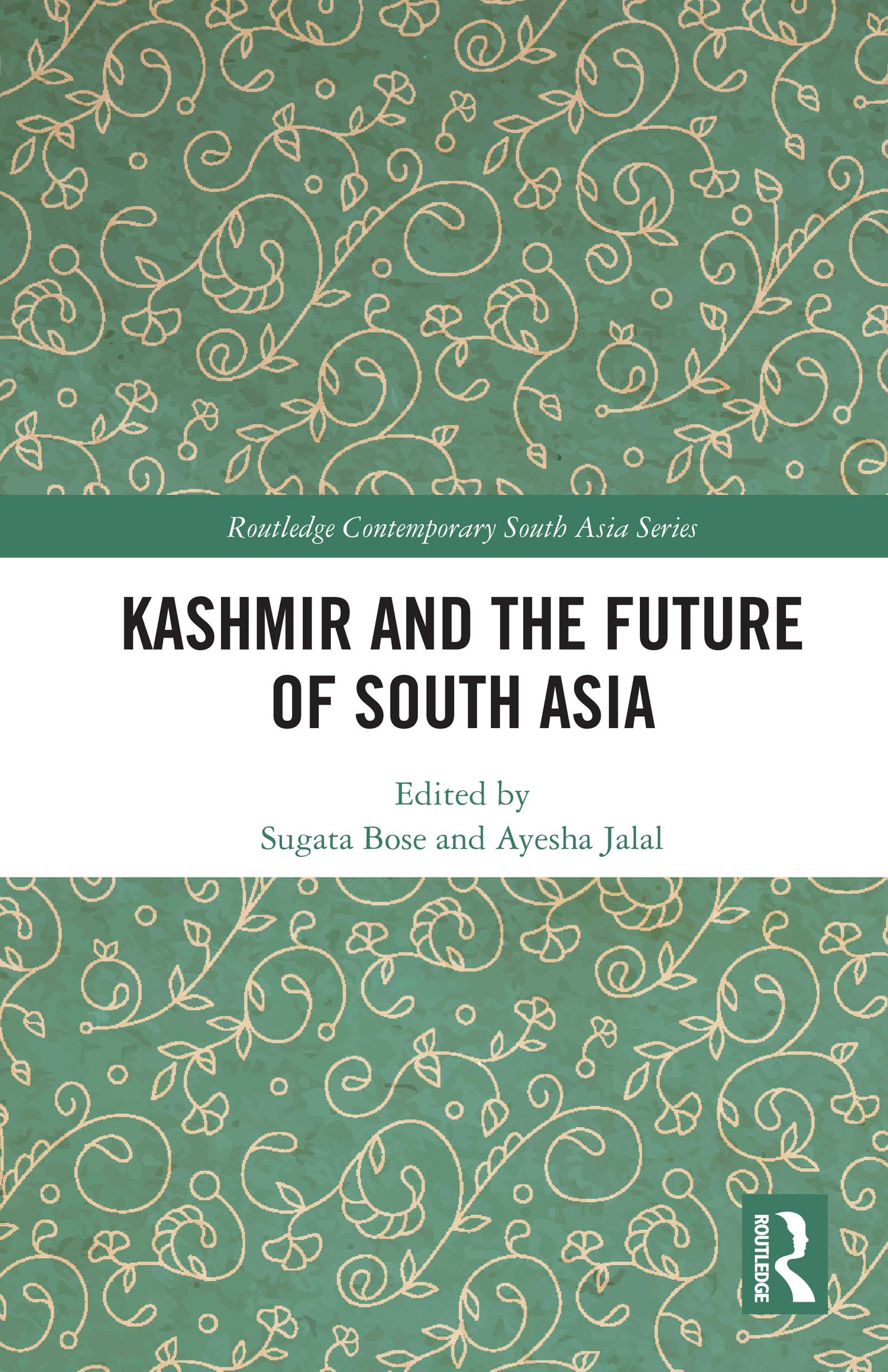
This book uses an innovative people-centered approach to the Kashmir problem to shed new light on why postcolonial partitions remain unfinished and why the wounds of postcolonial nation-state formation in South Asia continue to fester.
"Kashmir" is viewed as a metaphor for the permanent internal wars of partition that mark the South Asian experience. Chapters sensitively bring Kashmiri voices to the fore to examine Kashmir in the national discourses of India and Pakistan, resistance in the Kashmiri imagination and the Kashmir conflict in a global context. The book foregrounds how the space of Kashmir as a cultural, historical and political sphere persists and continues to haunt the postcolonial national present as the people of Kashmir and their cultural, literary and artistic productions cannot be contained within the regnant paradigms of the nations across which the region is partitioned. Additionally, the book explores how long-term resolution would demand engagement with historical forces, political actors and social formations that exceed the nation-state.
An important contribution to the study of this troubled region, this book will be of interest to academics and researchers of modern South Asian history and politics as well as comparative politics and international relations.
Płać wygodnie kartą, Klarną, Apple Pay lub Google Pay. Nie jesteś zadowolony? Zawsze masz 14-dniową gwarancję zwrotu pieniędzy. Więcej przeczytasz w naszych warunkach. Masz pytania? Napisz do nas na hello@memmo.org.
Memmo ułatwia naukę – gdziekolwiek jesteś na świecie. U nas znajdziesz podręczniki i sprytne narzędzia do nauki w jednym miejscu: streszczenia, quizy, podcasty i fiszki. A do tego Ted, Twój kumpel do nauki, który odpowie na wszystko, co Cię nurtuje. Ponad 50 000 studentów już tu się uczy – stworzone, byś uczył się szybciej i mniej stresował.