
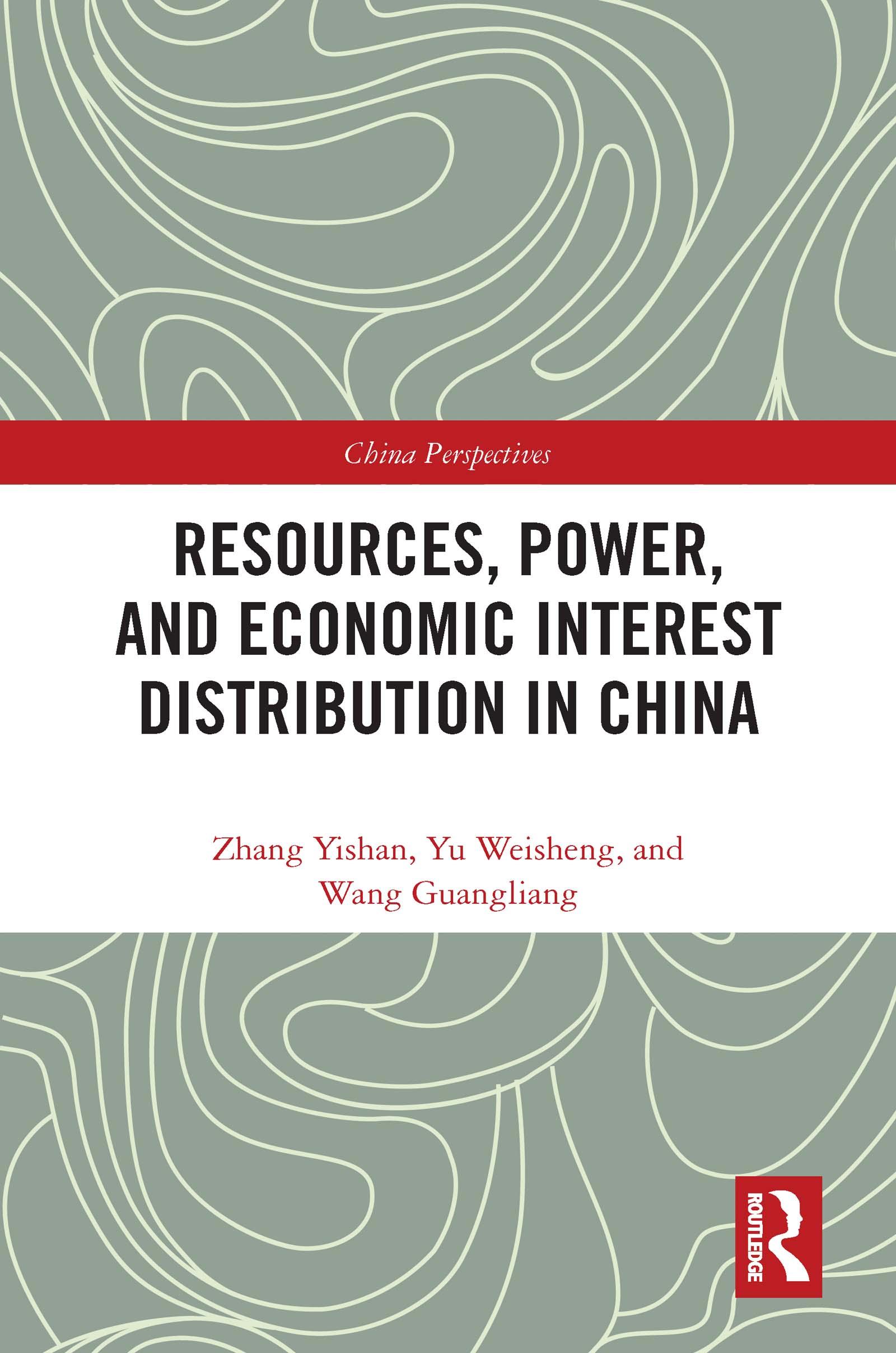
Based on an investigation of economic and resource allocation factors and their close relation to economic power, this book puts forward the power paradigm, a new economic research paradigm revealing the relationship among power, institutions, and resource allocation mechanisms, helping to establish a valid connection between macroeconomics and microeconomics and shedding light on real-world economic issues.
Drawing on classical, neoclassical, and institutional economics and how these schools of thought have impacted on economic development in China over the past century, the book sheds light on distribution processes and argues that enterprise contracts, market pricing, policies, laws and regulations can all be classified as interest distribution mechanisms informed by a variety of power games. The power paradigm suggests that to achieve full utility and an optimal allocation of resources to foster social welfare, power reciprocity needs to be shared among different economic agents at the same hierarchy level while making sure that power and responsibility are equivalent for each economic agent.
The book will appeal to research students and academics interested in heterodox economics, pluralist approaches, institutional economics, and game theory.
Płać wygodnie kartą, Klarną, Apple Pay lub Google Pay. Nie jesteś zadowolony? Zawsze masz 14-dniową gwarancję zwrotu pieniędzy. Więcej przeczytasz w naszych warunkach. Masz pytania? Napisz do nas na hello@memmo.org.
Memmo ułatwia naukę – gdziekolwiek jesteś na świecie. U nas znajdziesz podręczniki i sprytne narzędzia do nauki w jednym miejscu: streszczenia, quizy, podcasty i fiszki. A do tego Ted, Twój kumpel do nauki, który odpowie na wszystko, co Cię nurtuje. Ponad 50 000 studentów już tu się uczy – stworzone, byś uczył się szybciej i mniej stresował.