
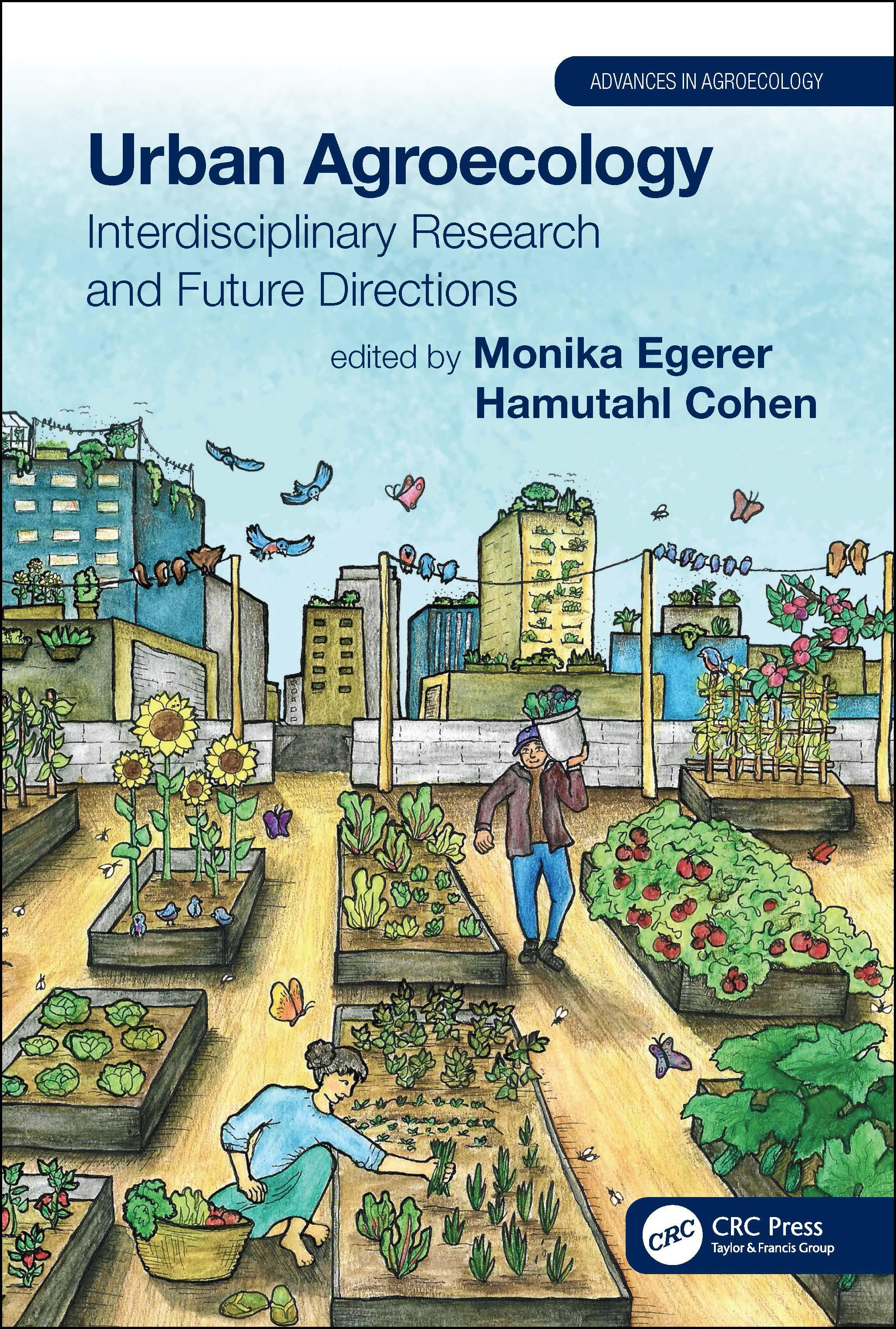
Today, 20 percent of the global food supply relies on urban agriculture: social-ecological systems shaped by both human and non-human interactions. This book shows how urban agroecologists measure flora and fauna that underpin the ecological dynamics of these systems, and how people manage and benefit from these systems. It explains how the sociopolitical landscape in which these systems are embedded can in turn shape the social, ecological, political, and economic dynamics within them. Synthesizing interdisciplinary approaches in urban agroecology in the natural and social sciences, the book explores methodologies and new directions in research that can be adopted by scholars and practitioners alike.
With contributions from researchers utilizing both social and natural science approaches, Urban Agroecology describes the current social-environmental understandings of the science, the movement and the practices in urban agroecology. By investigating the role of agroecology in cities, the book calls for the creation of spaces for food to be sustainably grown in urban spaces: an Urban Agriculture (UA) movement. Essential reading for graduate students, practitioners, policy makers and researchers, this book charts the course for accelerating this movement.
Płać wygodnie kartą, Klarną, Apple Pay lub Google Pay. Nie jesteś zadowolony? Zawsze masz 14-dniową gwarancję zwrotu pieniędzy. Więcej przeczytasz w naszych warunkach. Masz pytania? Napisz do nas na hello@memmo.org.
Memmo ułatwia naukę – gdziekolwiek jesteś na świecie. U nas znajdziesz podręczniki i sprytne narzędzia do nauki w jednym miejscu: streszczenia, quizy, podcasty i fiszki. A do tego Ted, Twój kumpel do nauki, który odpowie na wszystko, co Cię nurtuje. Ponad 50 000 studentów już tu się uczy – stworzone, byś uczył się szybciej i mniej stresował.