
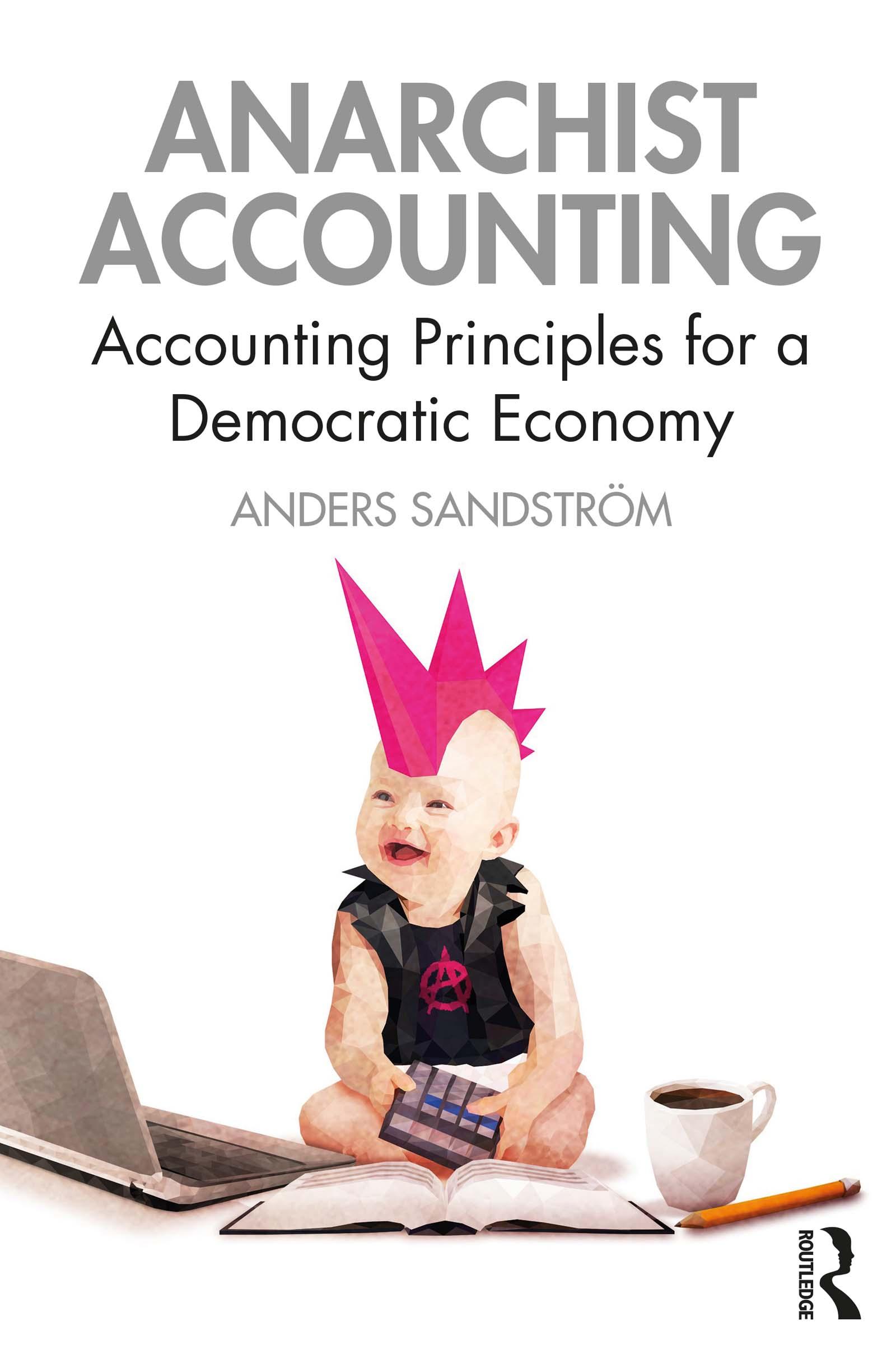
This book is about accounting in an alternative libertarian socialist economic system. It explores what information and transactions we need to enable democratic and effective financial decisions by those affected by the decisions. Based on the economic model, participatory economics, the author proposes a set of accounting principles for an economy comprised of common ownership of productive resources, worker and consumer councils, and democratic planning, promoting the model’s core values.
The author tackles questions such as how accounting could be organised in an economy with no private equity owners or private lenders and creditors that is not based on greed and competition but instead on cooperation and solidarity. A large part of the book is focused on issues regarding investments; thus, he asks how and on what basis decisions are made about the allocation of an economy’s production between consumption today and investments that enable more consumption in the future, and how investments are accounted for. He also considers how investments in capital assets and production facilities would be decided, financed, and valued if they are not owned by private capital owners and if allocation does not take place through markets but through a form of democratic planning. In answering these questions and more, the author demonstrates that alternative economic systems are indeed possible, and not merely lofty utopias that cannot be put into practice, and inspires further discussion about economic vision.
By applying accounting to a new economic setting and offering both technical information and the author’s bold vision, this book is a comprehensive and valuable supplementary text for courses touching on critical accounting theory. It will also appeal to readers interested in alternative kinds of economies.
Płać wygodnie kartą, Klarną, Apple Pay lub Google Pay. Nie jesteś zadowolony? Zawsze masz 14-dniową gwarancję zwrotu pieniędzy. Więcej przeczytasz w naszych warunkach. Masz pytania? Napisz do nas na hello@memmo.org.
Memmo ułatwia naukę – gdziekolwiek jesteś na świecie. U nas znajdziesz podręczniki i sprytne narzędzia do nauki w jednym miejscu: streszczenia, quizy, podcasty i fiszki. A do tego Ted, Twój kumpel do nauki, który odpowie na wszystko, co Cię nurtuje. Ponad 50 000 studentów już tu się uczy – stworzone, byś uczył się szybciej i mniej stresował.