
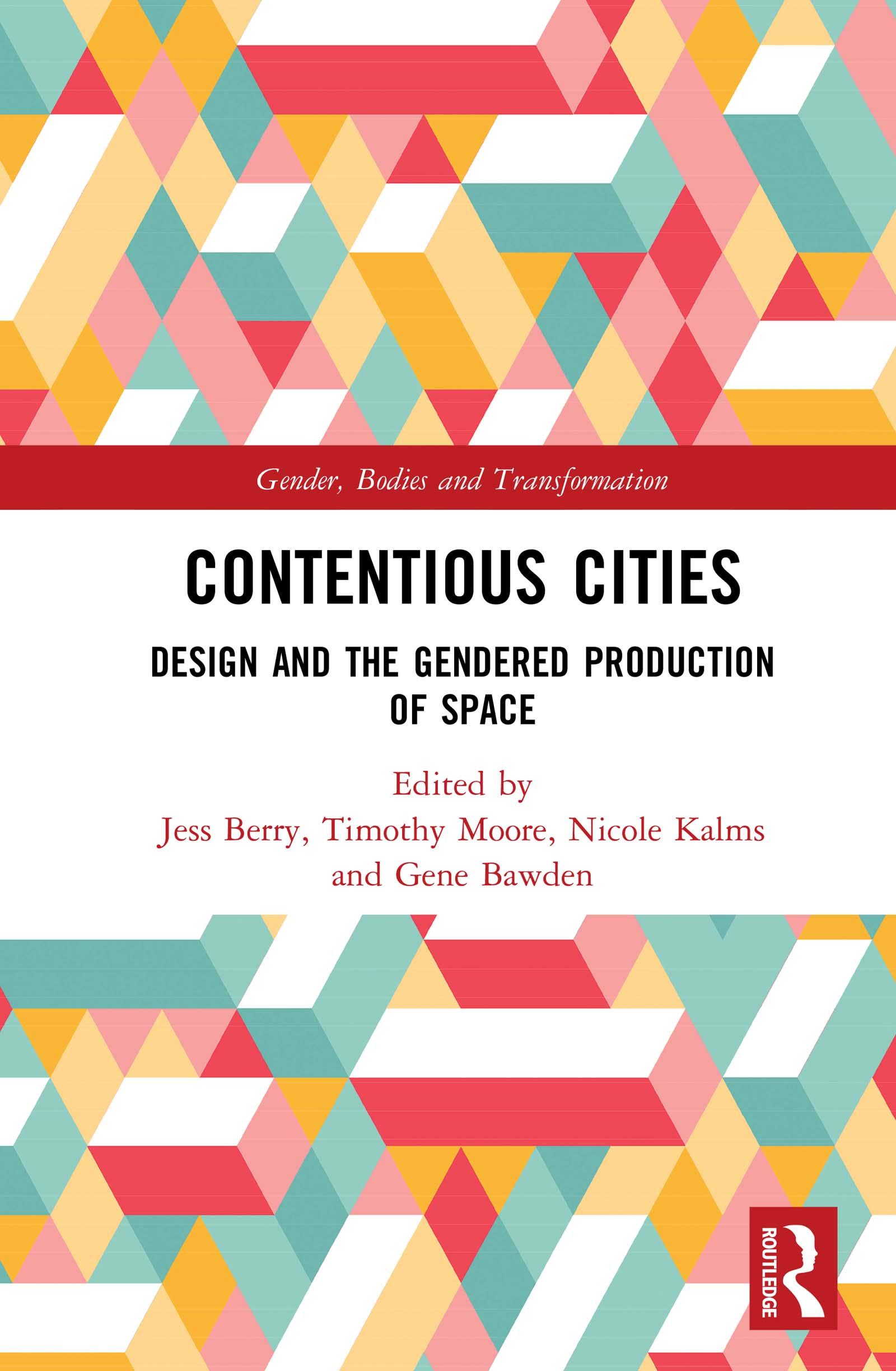
Contentious Cities offers unique interdisciplinary approaches to understanding gendered spatial equity in the urban environment. Positioning design as a central component in how cities produce, construct, represent and materialise gendered spatial practices, it brings together practice and theory to critique, question and enable solutions that challenge the root causes of gender inequalities in cities. Through a rich array of case-studies, practice-led interventions, and historical and theoretical perspectives, it examines important issues that affect the ways in which women, and people of diverse gender and sexual identities experience and participate in cities. Thematically organised, it considers problems of street-harassment, heterosexualisation and equity in access and mobility, together with modes of segregation, isolation and discrimination, as well as processes of resistance, intervention and agency.
Grounded in feminist and queer methods of analysis, the book offers new insights regarding the representation of cities, the lived experience of cities, and how design-tactics and approaches might affect the ways cities shape and regulate how women and people of diverse gender and sexual identity inhabit, occupy and move through the city. An examination of the ways in which design might shift toward safer and more inclusive cities, Contentious Cities will appeal to scholars of sociology, gender studies and urban studies, as well as those working in the fields of urban planning and design.
Płać wygodnie kartą, Klarną, Apple Pay lub Google Pay. Nie jesteś zadowolony? Zawsze masz 14-dniową gwarancję zwrotu pieniędzy. Więcej przeczytasz w naszych warunkach. Masz pytania? Napisz do nas na hello@memmo.org.
Memmo ułatwia naukę – gdziekolwiek jesteś na świecie. U nas znajdziesz podręczniki i sprytne narzędzia do nauki w jednym miejscu: streszczenia, quizy, podcasty i fiszki. A do tego Ted, Twój kumpel do nauki, który odpowie na wszystko, co Cię nurtuje. Ponad 50 000 studentów już tu się uczy – stworzone, byś uczył się szybciej i mniej stresował.