
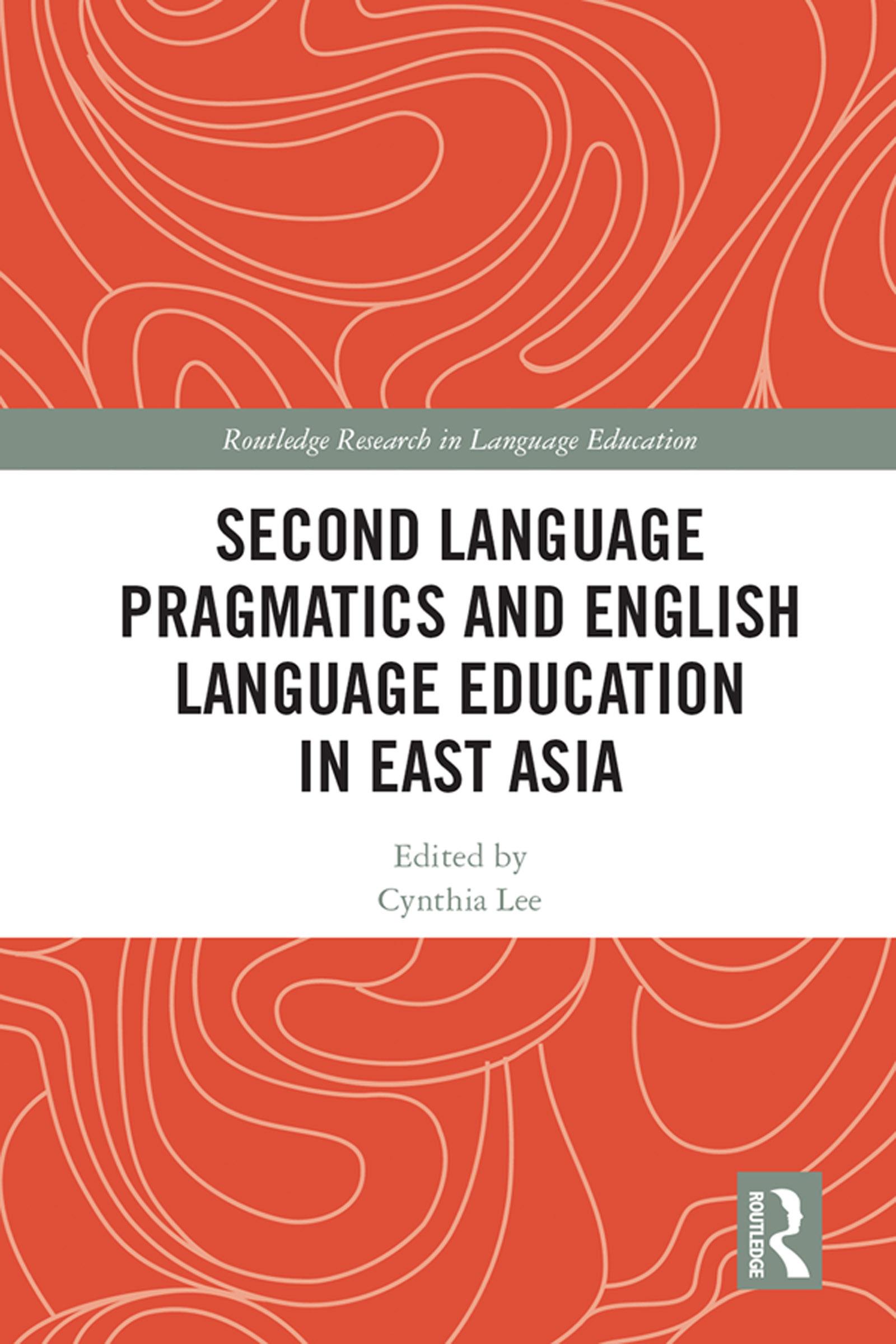
This edited collection addresses the link between second language pragmatics (including interlanguage and intercultural) research and English language education. The chapters use different contemporary research methods and theoretical frameworks such as conversation analysis, language-learners-as-ethnographers, discourse and interactional approaches and data in contexts (either in the region or overseas).
The content explores and discusses the significance of learning and teaching of second language (L2) pragmatics in language education for learners who use English as a lingua franca for academic and intercultural communication purposes with native and non-native speakers of English, focusing on pragmatic actions, social behaviours, perceptions and awareness levels in three regions in East Asia – China, Japan and South Korea. It is an important contribution to the area of second language pragmatics in language education for East Asian learners. It recommends research-informed pedagogies for the learning and teaching of interlanguage or intercultural pragmatics in regions and places where similar cultural beliefs or practices are found.
This is an essential read for researchers, language educators, classroom teachers, readers who are interested in second language pragmatics research and those interested in second language acquisition and English language education in the East Asian context.
Płać wygodnie kartą, Klarną, Apple Pay lub Google Pay. Nie jesteś zadowolony? Zawsze masz 14-dniową gwarancję zwrotu pieniędzy. Więcej przeczytasz w naszych warunkach. Masz pytania? Napisz do nas na hello@memmo.org.
Memmo ułatwia naukę – gdziekolwiek jesteś na świecie. U nas znajdziesz podręczniki i sprytne narzędzia do nauki w jednym miejscu: streszczenia, quizy, podcasty i fiszki. A do tego Ted, Twój kumpel do nauki, który odpowie na wszystko, co Cię nurtuje. Ponad 50 000 studentów już tu się uczy – stworzone, byś uczył się szybciej i mniej stresował.