
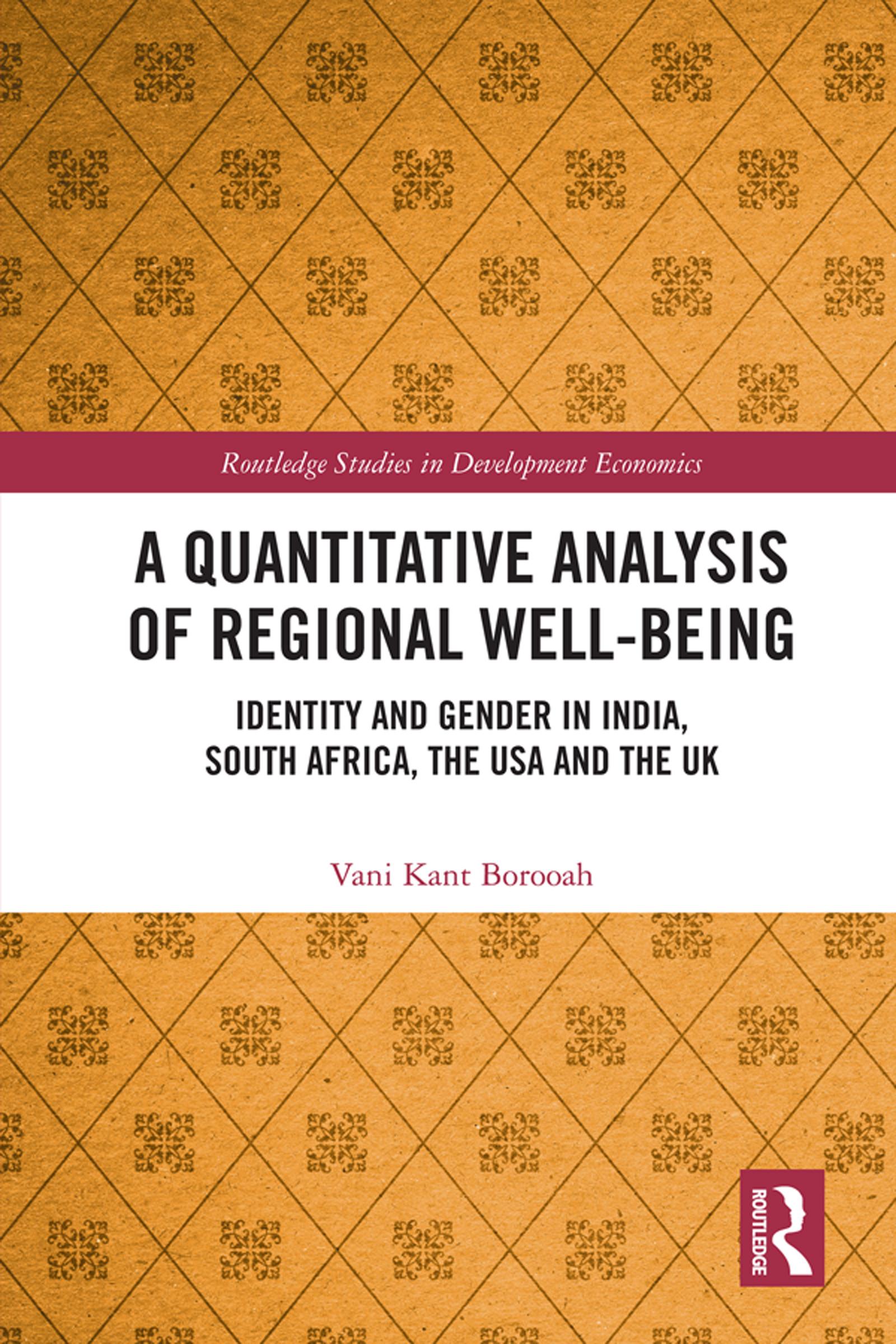
Using data from the World Values Survey, this book sheds light on the link between happiness and the social group to which one belongs. The work is based on a rigorous statistical analysis of differences in the probability of happiness and life satisfaction between the predominant social group and subordinate groups.
The cases of India and South Africa receive deep attention in dedicated chapters on cast and race, with other chapters considering issues such as cultural bias, religion, patriarchy, and gender. An additional chapter offers a global perspective. On top of this, the longitudinal nature of the data facilitates an examination of how world happiness has evolved between 1994 and 2014.
This book will be a valuable reference for advanced students, scholars and policymakers involved in development economics, well-being, development geography, and sociology.
Płać wygodnie kartą, Klarną, Apple Pay lub Google Pay. Nie jesteś zadowolony? Zawsze masz 14-dniową gwarancję zwrotu pieniędzy. Więcej przeczytasz w naszych warunkach. Masz pytania? Napisz do nas na hello@memmo.org.
Memmo ułatwia naukę – gdziekolwiek jesteś na świecie. U nas znajdziesz podręczniki i sprytne narzędzia do nauki w jednym miejscu: streszczenia, quizy, podcasty i fiszki. A do tego Ted, Twój kumpel do nauki, który odpowie na wszystko, co Cię nurtuje. Ponad 50 000 studentów już tu się uczy – stworzone, byś uczył się szybciej i mniej stresował.