
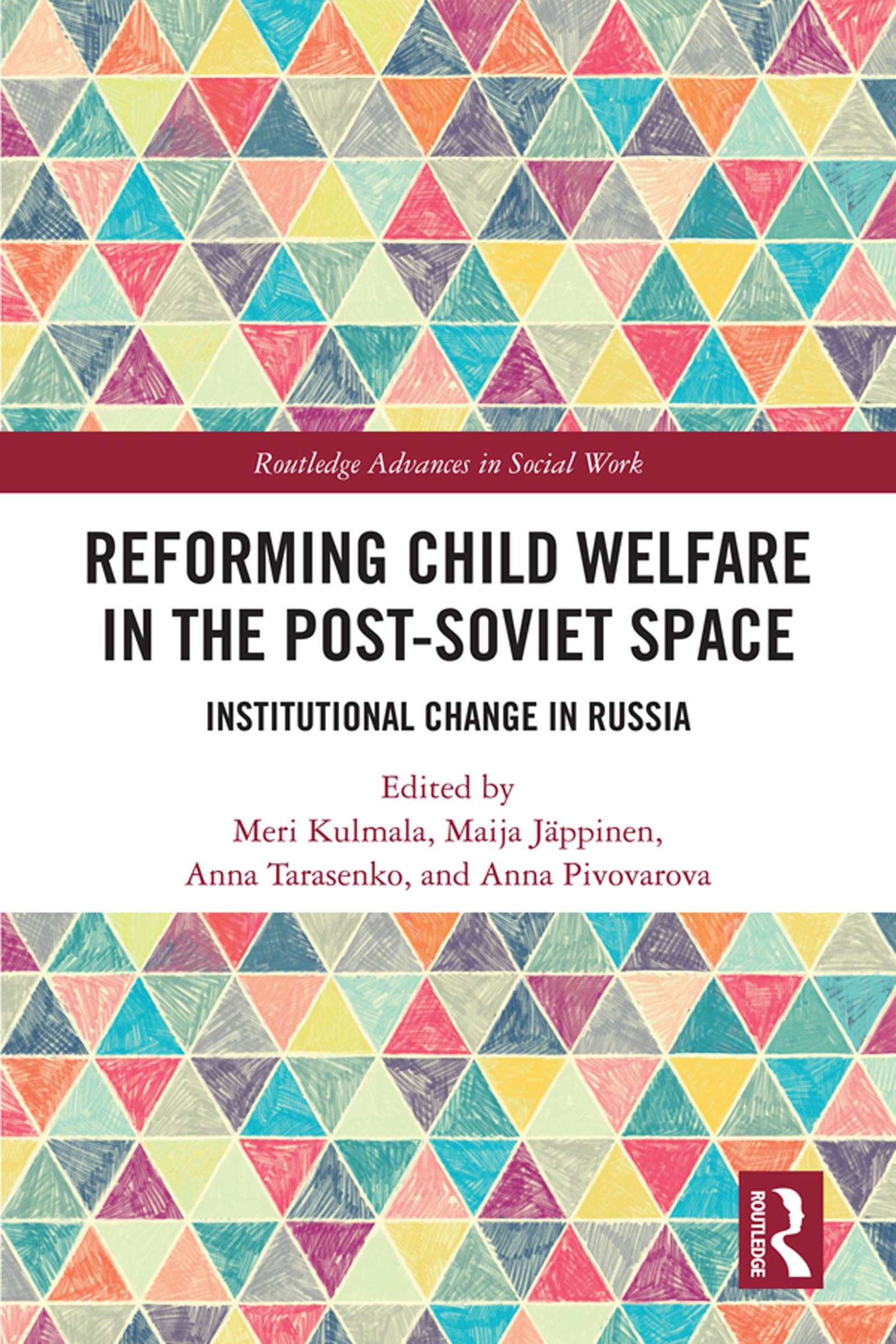
This book provides new and empirically grounded research-based knowledge and insights into the current transformation of the Russian child welfare system. It focuses on the major shift in Russia’s child welfare policy: deinstitutionalisation of the system of children’s homes inherited from the Soviet era and an increase in fostering and adoption.
Divided into four sections, this book details both the changing role and function of residential institutions within the Russian child welfare system and the rapidly developing form of alternative care in foster families, as well as work undertaken with birth families. By analysing the consequences of deinstitutionalisation and its effects on children and young people as well as their foster and birth parents, it provides a model for understanding this process across the whole of the post-Soviet space.
It will be of interest to academics and students of social work, sociology, child welfare, social policy, political science, and Russian and East European politics more generally.
Płać wygodnie kartą, Klarną, Apple Pay lub Google Pay. Nie jesteś zadowolony? Zawsze masz 14-dniową gwarancję zwrotu pieniędzy. Więcej przeczytasz w naszych warunkach. Masz pytania? Napisz do nas na hello@memmo.org.
Memmo ułatwia naukę – gdziekolwiek jesteś na świecie. U nas znajdziesz podręczniki i sprytne narzędzia do nauki w jednym miejscu: streszczenia, quizy, podcasty i fiszki. A do tego Ted, Twój kumpel do nauki, który odpowie na wszystko, co Cię nurtuje. Ponad 50 000 studentów już tu się uczy – stworzone, byś uczył się szybciej i mniej stresował.