
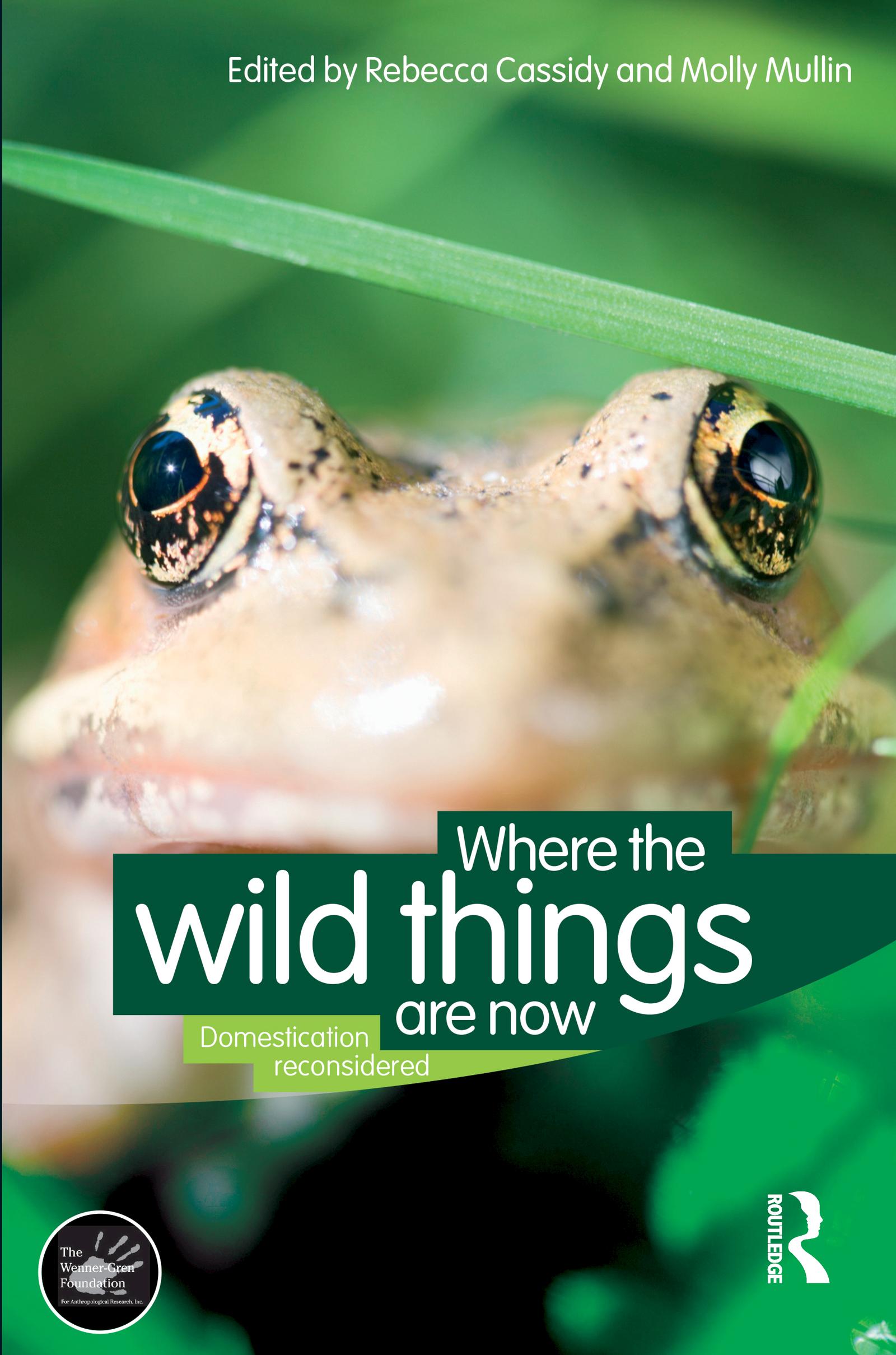
Domestication has often seemed a matter of the distant past, a series of distinct events involving humans and other species that took place long ago. Today, as genetic manipulation continues to break new barriers in scientific and medical research, we appear to be entering an age of biological control. Are we also writing a new chapter in the history of domestication? Where the Wild Things Are Now explores the relevance of domestication for anthropologists and scholars in related fields who are concerned with understanding ongoing change in processes affecting humans as well as other species. From the pet food industry and its critics to salmon farming in Tasmania, the protection of endangered species in Vietnam and the pigeon fanciers who influenced Darwin, Where the Wild Things Are Now provides an urgently needed re-examination of the concept of domestication against the shifting background of relationships between humans, animals and plants.
Płać wygodnie kartą, Klarną, Apple Pay lub Google Pay. Nie jesteś zadowolony? Zawsze masz 14-dniową gwarancję zwrotu pieniędzy. Więcej przeczytasz w naszych warunkach. Masz pytania? Napisz do nas na hello@memmo.org.
Memmo ułatwia naukę – gdziekolwiek jesteś na świecie. U nas znajdziesz podręczniki i sprytne narzędzia do nauki w jednym miejscu: streszczenia, quizy, podcasty i fiszki. A do tego Ted, Twój kumpel do nauki, który odpowie na wszystko, co Cię nurtuje. Ponad 50 000 studentów już tu się uczy – stworzone, byś uczył się szybciej i mniej stresował.
Może Ci się spodobać
Kup książkę0