
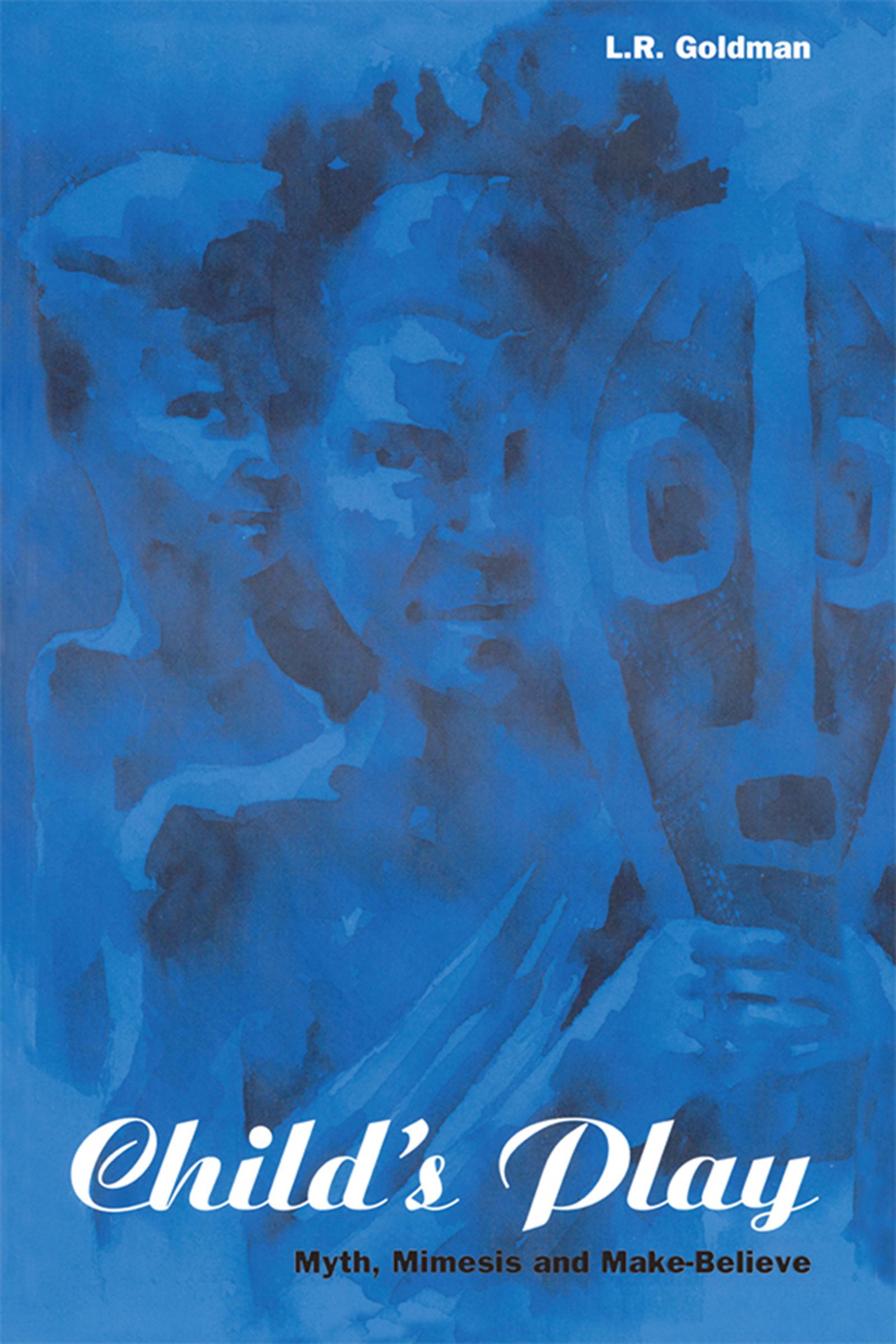
This innovative book finally takes seriously the need for anthropologists to produce in-depth ethnographies of children's play. In examining the subject from a cross-cultural perspective, the author argues that our understanding of the way children transform their environment to create make-believe is enhanced by viewing their creations as oral poetry. The result is a richly detailed ‘thick description' of how pretence is socially mediated and linguistically constructed, how children make sense of their own play, how play relates to other imaginative genres in Huli life, and the relationship between play and cosmology. Informed by theoretical approaches in the anthropology of play, developmental and child psychology, philosophy and phenomenology and drawing on ethnographic data from Melanesia, the book analyzes the sources for imitation, the kinds of identities and roles emulated, and the structure of collaborative make-believe talk to reveal the complex way in which children invoke their experiences of the world and re-invent them as types of virtual reality. Particular importance is placed on how the figures of the ogre and trickster are articulated. The author demonstrates that while the concept of ‘imagination' has been the cornerstone of Western intellectual traditions from Plato to Postmodernism, models of child fantasy play have always intruded into such theorizing because of children's unique capacity to throw into relief our understanding of the relationship between representation and reality.
Płać wygodnie kartą, Klarną, Apple Pay lub Google Pay. Nie jesteś zadowolony? Zawsze masz 14-dniową gwarancję zwrotu pieniędzy. Więcej przeczytasz w naszych warunkach. Masz pytania? Napisz do nas na hello@memmo.org.
Memmo ułatwia naukę – gdziekolwiek jesteś na świecie. U nas znajdziesz podręczniki i sprytne narzędzia do nauki w jednym miejscu: streszczenia, quizy, podcasty i fiszki. A do tego Ted, Twój kumpel do nauki, który odpowie na wszystko, co Cię nurtuje. Ponad 50 000 studentów już tu się uczy – stworzone, byś uczył się szybciej i mniej stresował.
Może Ci się spodobać
Kup książkę0