
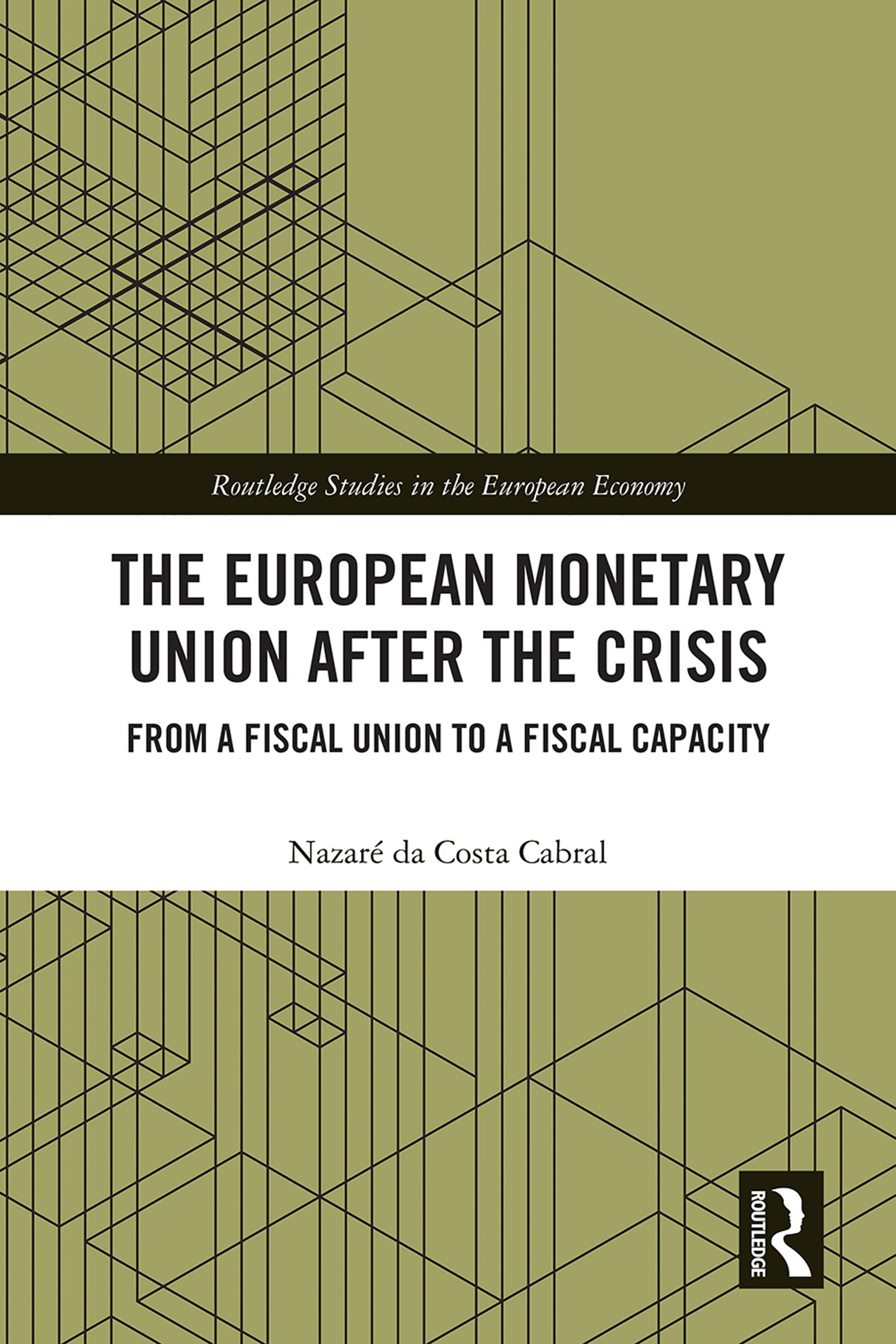
This book provides a much-needed detailed analysis of the evolution of Europe over the last decade, as well as a discussion about the path of reform that has been trodden in the aftermath of the financial crisis. It offers a multidisciplinary view of the E(M)U and captures the main factors that induced the reform of the monetary union – a process that has not been linear and is far from being concluded.
The author examines the policy responses designed throughout the development of the crisis and assesses the scale of the crisis in Europe, in comparison to other parts of the world, as well as its prolonged effects both in economic and financial terms. An update on the current ‘state of the art’ in the conception of risk-sharing mechanisms is provided. With its innovative approach, the book analyses the financing issues which need to be taken into consideration in the design of these instruments and highlights the main categories of governmental risk-sharing mechanisms – in particular, the ones to be used as ‘fiscal capacity’.
This is a timely and topical book and will be of interest to a broad audience, including experts, scholars and students of European affairs, particularly those with economic, financial, legal and political science backgrounds.
Płać wygodnie kartą, Klarną, Apple Pay lub Google Pay. Nie jesteś zadowolony? Zawsze masz 14-dniową gwarancję zwrotu pieniędzy. Więcej przeczytasz w naszych warunkach. Masz pytania? Napisz do nas na hello@memmo.org.
Memmo ułatwia naukę – gdziekolwiek jesteś na świecie. U nas znajdziesz podręczniki i sprytne narzędzia do nauki w jednym miejscu: streszczenia, quizy, podcasty i fiszki. A do tego Ted, Twój kumpel do nauki, który odpowie na wszystko, co Cię nurtuje. Ponad 50 000 studentów już tu się uczy – stworzone, byś uczył się szybciej i mniej stresował.