
Zanim poznałem Memmo, moje notatki były rozrzucone po PDF-ach. Teraz obszar roboczy zbiera wszystko w jednym miejscu — widzę dokładnie, co jeszcze muszę powtórzyć.
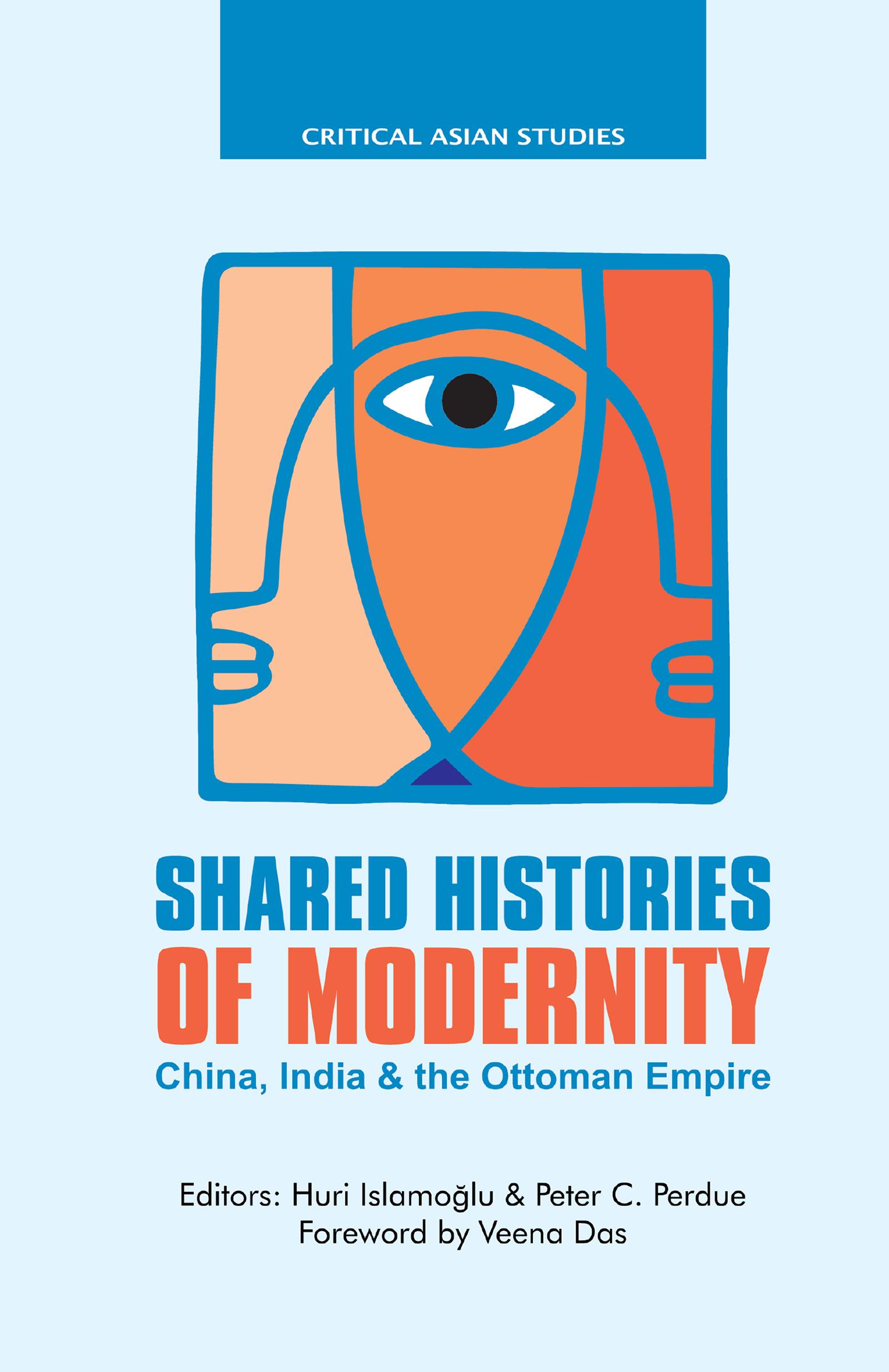
While pre-modernity is often considered to be the 'time' of non-European regions and modernity is seen as belonging to the West, this book seeks to transcend the temporal bifurcation of that world history into 'pre-modern' and 'modern', as well as question its geographical split into two irreconcilable trajectories: the European and the non-European. The book examines shared experiences of modern transformation or modernity in three regions -- China, India and the Ottoman Empire -- which conventional historiography identifies as non-European, and therefore, by implication, outside of modernity or only tangentially linked to it as its victim. In other words, this work looks at modernity without reference to any 'idealised' criteria of what qualifies as 'modern' or not, studying the negotiation and legacies of the early modern period for the modern nation state. It focuses on the experience of modernity of non-European regions for they play a crucial role in the new phase of transformational patterns may have deeper roots than are generally assumed.
Rejecting European characterisations of 'eastern' states as Oriental despotisms, the volume conceives of the early modern state as a negotiated enterprise, one that questions the assumption that state centralisation must be a key metric of success in modernisation. Among other topics, the book highlights: state formations in the three empires; legislation pertaining to taxation, property, police reform, the autonomy of legal sphere, the interaction of different types of law, law's role in governance, administrative practice, negotiated settlements and courts as sites of negotiation, the blurred boundaries between formal law and informal mediation; the ability of 18th century Qing and Ottoman imperial governments to accommodate diverse local particularities within an overreaching structure; and the pattern of regional development pointing to the accommodative institutional capacity of the Mughal empire.<
Zanim poznałem Memmo, moje notatki były rozrzucone po PDF-ach. Teraz obszar roboczy zbiera wszystko w jednym miejscu — widzę dokładnie, co jeszcze muszę powtórzyć.
Podsumowania Memmo to złoto przed egzaminami. Nie muszę czytać 800 stron dwa tygodnie wcześniej — tylko to, co najważniejsze.
Czat AI uratował mnie niejeden raz w noc przed egzaminem. Pytam, dopóki nie zrozumiem — i nie muszę czekać na odpowiedź od grupy studyjnej.
Quizy trafiają w punkt, jeśli chodzi o to, co muszę wiedzieć. Memmo śledzi, na czym się zacinam — więc ćwiczę tylko to, co naprawdę się liczy.
Fiszki z powtórkami rozłożonymi w czasie to magia. Memmo wie, kiedy mam coś zapomnieć i przypomina mi o tym.
Podcasty AI to mój faworyt. Słucham w drodze do szkoły i powtarzam materiał, nie siedząc przed komputerem.

Handbok i kvalitativa metoder
281 kr

Hållbar utveckling: en introduktion för ingenjörer och andra problemlösare
334 kr

Brymans Samhällsvetenskapliga metoder
390 kr

Projektledning
491 kr

Den orättvisa hälsan: om socioekonomiska skillnader i hälsa och livslängd
326 kr

Organizational Leadership
429 kr

Vetenskapsteori för nybörjare
196 kr

På väg mot läraryrket
172 kr

Det sociala livet i skolan: Socialpsykologiska perspektiv
253 kr

Betygsättningens didaktik
151 kr

Personality
402 kr

Studying Leadership
404 kr

Managing Innovation
477 kr

Introduktion till samhällsvetenskaplig metod
347 kr

The Psychology of Sex and Gender
698 kr

Introduction to Leadership
605 kr

Evidens och kunskap för socialt arbete
207 kr