
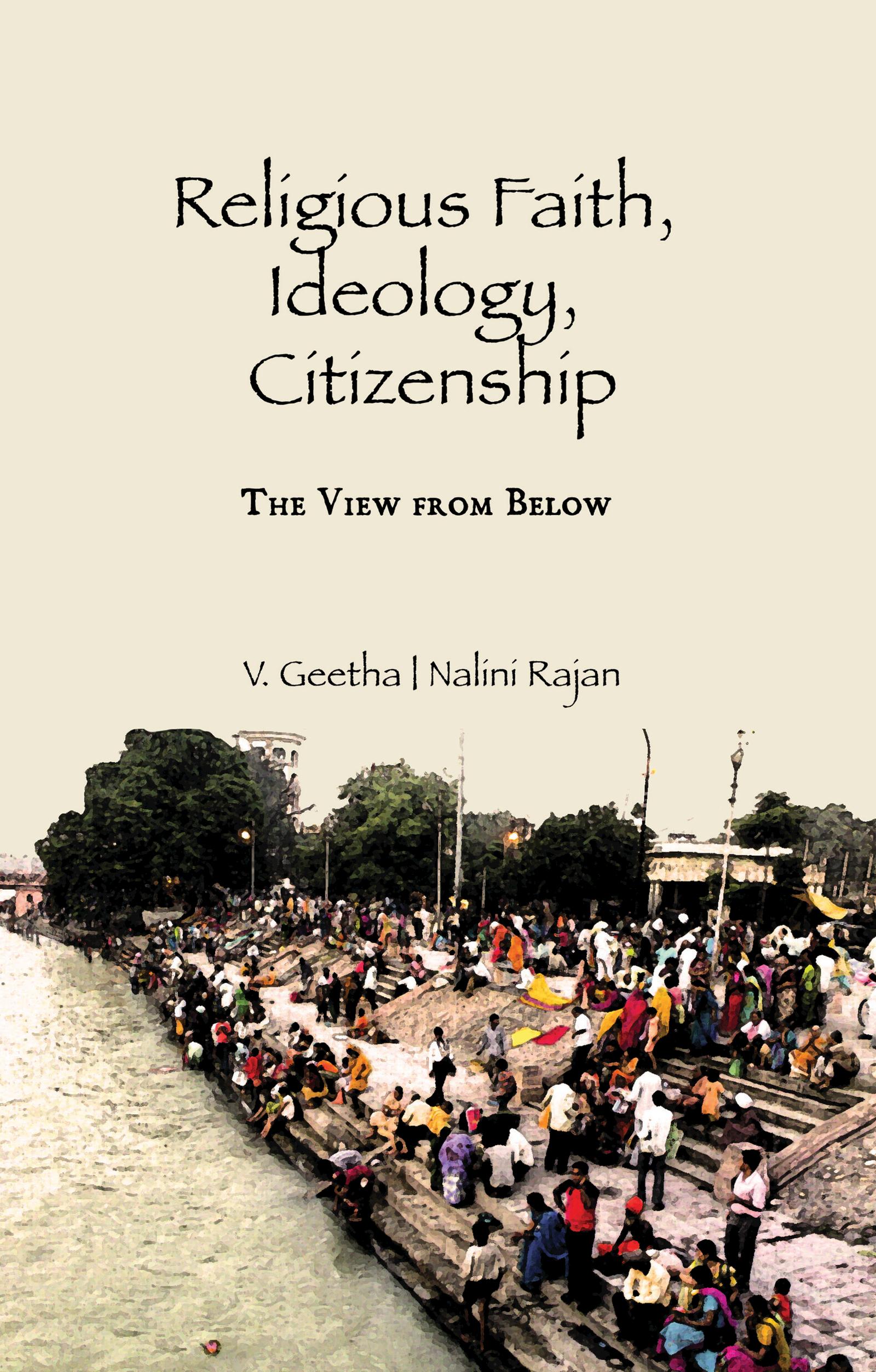
This book looks at the triadic relations between faith, the state and political actors, and the ideas that move them. It comprises a set of essays on diverse histories and ideas, ranging from Gandhian civic action to radical free thought in colonial India, from liberation theologies, that take their cue from specific and lived experiences of oppression and humiliation, to the universalism promised by an expansive Islam. Deploying gender and caste as the central analytical categories, these essays suggest that equality and justice rest on the strength and vitality of the exchanges between the worlds of the civic, the religious and the state, and not on their strict separation.
Going beyond time-honoured dualities — between the secular and the communal (especially in the Indian context), or the secular and the pre-modern — the book joins the lively debates on secularism that have emerged in the 21st century in West, South and South-east Asia.
Płać wygodnie kartą, Klarną, Apple Pay lub Google Pay. Nie jesteś zadowolony? Zawsze masz 14-dniową gwarancję zwrotu pieniędzy. Więcej przeczytasz w naszych warunkach. Masz pytania? Napisz do nas na hello@memmo.org.
Memmo ułatwia naukę – gdziekolwiek jesteś na świecie. U nas znajdziesz podręczniki i sprytne narzędzia do nauki w jednym miejscu: streszczenia, quizy, podcasty i fiszki. A do tego Ted, Twój kumpel do nauki, który odpowie na wszystko, co Cię nurtuje. Ponad 50 000 studentów już tu się uczy – stworzone, byś uczył się szybciej i mniej stresował.