
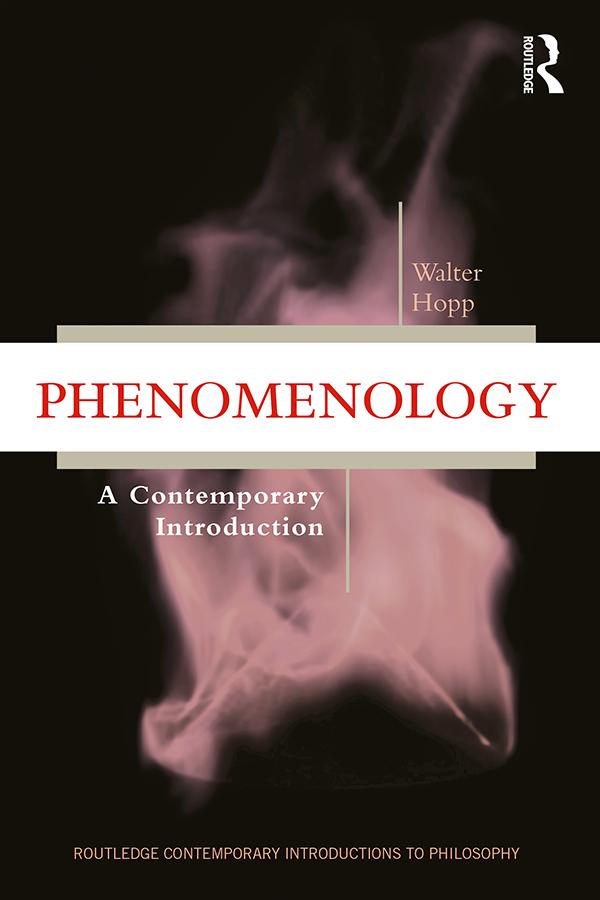
The central task of phenomenology is to investigate the nature of consciousness and its relations to objects of various types. The present book introduces students and other readers to several foundational topics of phenomenological inquiry, and illustrates phenomenology’s contemporary relevance. The main topics include consciousness, intentionality, perception, meaning, and knowledge. The book also contains critical assessments of Edmund Husserl’s phenomenological method. It argues that knowledge is the most fundamental mode of consciousness, and that the central theses constitutive of Husserl’s "transcendental idealism" are compatible with metaphysical realism regarding the objects of thought, perception, and knowledge.
Helpful tools include introductions that help the reader segue from the previous chapter to the new one, chapter conclusions, and suggested reading lists of primary and some key secondary sources.
Key Features:
- Elucidates and engages with contemporary work in analytic epistemology and philosophy of mind
- Provides clear prose explanations of the necessary distinctions and arguments required for understanding the subject
- Places knowledge at the center of phenomenological inquiry
Płać wygodnie kartą, Klarną, Apple Pay lub Google Pay. Nie jesteś zadowolony? Zawsze masz 14-dniową gwarancję zwrotu pieniędzy. Więcej przeczytasz w naszych warunkach. Masz pytania? Napisz do nas na hello@memmo.org.
Memmo ułatwia naukę – gdziekolwiek jesteś na świecie. U nas znajdziesz podręczniki i sprytne narzędzia do nauki w jednym miejscu: streszczenia, quizy, podcasty i fiszki. A do tego Ted, Twój kumpel do nauki, który odpowie na wszystko, co Cię nurtuje. Ponad 50 000 studentów już tu się uczy – stworzone, byś uczył się szybciej i mniej stresował.