
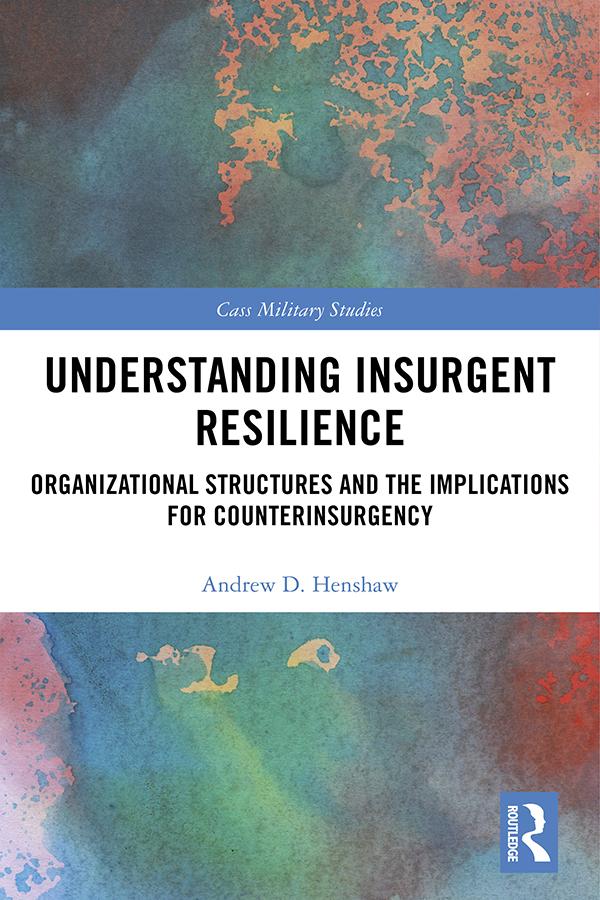
This book examines terrorist and insurgent organisations and seeks to understand how such groups persist for so long, while introducing a new strategic doctrine for countering these organisations.
The work discusses whether familial or meritocratic insurgencies are more resilient to counterinsurgency pressures. It argues that it is not the type of organization that determines resilience, but rather the efficiency functions of social capital and trust, which have different natures and forms, within them. It finds that while familial insurgencies can challenge incumbents from the start, they weaken over time, whereas meritocracies will generally strengthen. The book examines four of the most enduring and lethal insurgent organizations: the Haqqani Network in Afghanistan, Lashkar-e-Taiba in Pakistan, Jemaah Islamiyah in Indonesia, and the Abu Sayyaf in the Philippines. The author breaks down each group into its formative strengths and vulnerabilities and presents a bespoke model of strategic counterintelligence that can be used to manipulate, degrade and destroy each organization.
This book will be of much interest to students of counterinsurgency, terrorism, intelligence, security and defence studies in general.
Płać wygodnie kartą, Klarną, Apple Pay lub Google Pay. Nie jesteś zadowolony? Zawsze masz 14-dniową gwarancję zwrotu pieniędzy. Więcej przeczytasz w naszych warunkach. Masz pytania? Napisz do nas na hello@memmo.org.
Memmo ułatwia naukę – gdziekolwiek jesteś na świecie. U nas znajdziesz podręczniki i sprytne narzędzia do nauki w jednym miejscu: streszczenia, quizy, podcasty i fiszki. A do tego Ted, Twój kumpel do nauki, który odpowie na wszystko, co Cię nurtuje. Ponad 50 000 studentów już tu się uczy – stworzone, byś uczył się szybciej i mniej stresował.