
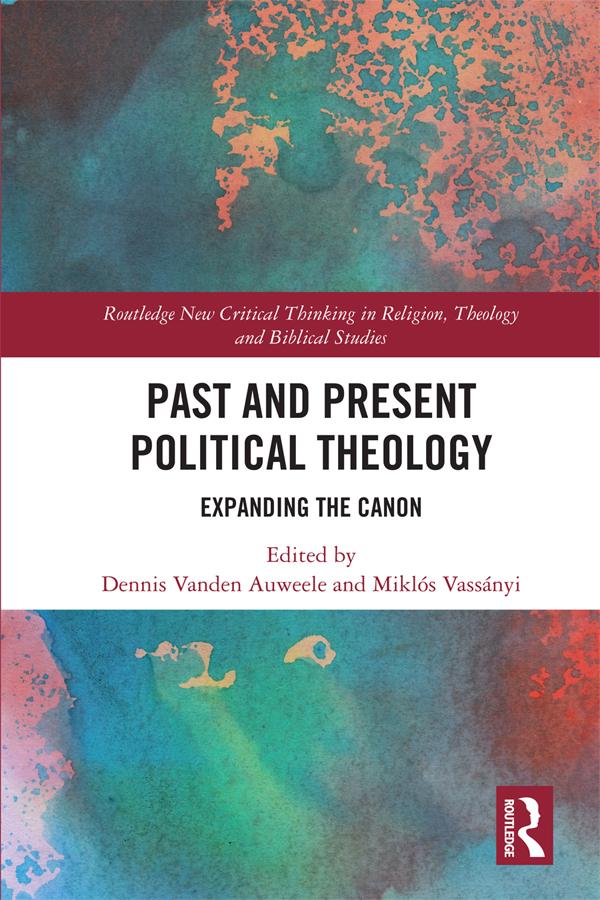
This book demonstrates how discussions of Political Theology have been a constant feature throughout philosophical modernity and that they continue to impact contemporary political debates. By tracing the historical roots and detailing the contemporary outworking of Political Theology in Europe, it contends that this growing field requires a broader "canon" in order for it to mature.
Political Theology is shown here to be about the diversity of relationships between religious beliefs and political orientations. First engaging with historical debates, chapters re-examine the relationship between personal conviction and societal orientation on such topics as the will to believe, evil, individualism, the relationship between church and state, and the relationship between belief and natural science. The volume then establishes the relevance of these debates for the present day. As such, it invites engagement on the back and forth between religion and politics in a liberal democracy and a communist state, on how communitarianism relates to religious language, on the diversity of Christian and Jewish political theology, and the politics of toleration.
By broadening out the field of Political Theology this book offers the reader a more nuanced understanding of its sustained influence on public life. As such it will be of interest to academics working in Political Theology, but also Theology, Philosophy and Political Science more generally.
Płać wygodnie kartą, Klarną, Apple Pay lub Google Pay. Nie jesteś zadowolony? Zawsze masz 14-dniową gwarancję zwrotu pieniędzy. Więcej przeczytasz w naszych warunkach. Masz pytania? Napisz do nas na hello@memmo.org.
Memmo ułatwia naukę – gdziekolwiek jesteś na świecie. U nas znajdziesz podręczniki i sprytne narzędzia do nauki w jednym miejscu: streszczenia, quizy, podcasty i fiszki. A do tego Ted, Twój kumpel do nauki, który odpowie na wszystko, co Cię nurtuje. Ponad 50 000 studentów już tu się uczy – stworzone, byś uczył się szybciej i mniej stresował.