
Zanim poznałem Memmo, moje notatki były rozrzucone po PDF-ach. Teraz obszar roboczy zbiera wszystko w jednym miejscu — widzę dokładnie, co jeszcze muszę powtórzyć.
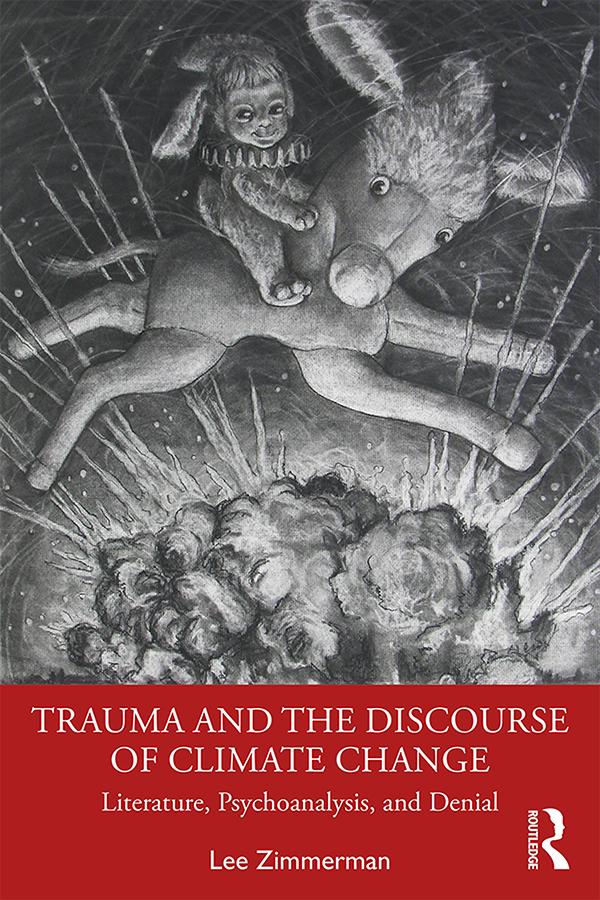
The more the global north has learned about the existential threat of climate change, the faster it has emitted greenhouse gases into the atmosphere. In Trauma and the Discourse of Climate Change, Lee Zimmerman thinks about why this is by examining how "climate change" has been discursively constructed, tracing how the ways we talk and write about climate change have worked to normalize a generalized, bipartisan denialism more profound than that of the overt "denialists."
Suggesting that we understand that normalized denial as a form of cultural trauma, the book explores how the dominant ways of figuring knowledge about global warming disarticulate that knowledge from the trauma those figurations both represent and reproduce, and by which they remain inhabited and haunted. Its early chapters consider that process in representations of climate change across a range of disciplines and throughout the public sphere, including Al Gore’s An Inconvenient Truth, Barack Obama’s speeches and climate plans, and the 2015 Paris Agreement. Later chapters focus on how literary representations especially, for the most part, participate in such disarticulations, and on how, in grappling with the representational difficulties at the climate crisis’s heart, some works of fiction—among them Cormac McCarthy’s The Road and Russell Hoban’s Riddley Walker—work against that normalized rhetorical violence. The book closes with a meditation centered on the dream of the burning child Freud sketches in The Interpretation of Dreams.
Highlighting the existential stakes of the ways we think and write about the climate, Trauma and the Discourse of Climate Change aims to offer an unfamiliar place from which to engage the astonishing quiescence of our ecocidal present. This book will be essential reading for academics and students of psychoanalysis, environmental humanities, trauma studies, literature, and environmental studies, as well as activists and others drawn to thinking about the climate crisis.
Zanim poznałem Memmo, moje notatki były rozrzucone po PDF-ach. Teraz obszar roboczy zbiera wszystko w jednym miejscu — widzę dokładnie, co jeszcze muszę powtórzyć.
Podsumowania Memmo to złoto przed egzaminami. Nie muszę czytać 800 stron dwa tygodnie wcześniej — tylko to, co najważniejsze.
Czat AI uratował mnie niejeden raz w noc przed egzaminem. Pytam, dopóki nie zrozumiem — i nie muszę czekać na odpowiedź od grupy studyjnej.
Quizy trafiają w punkt, jeśli chodzi o to, co muszę wiedzieć. Memmo śledzi, na czym się zacinam — więc ćwiczę tylko to, co naprawdę się liczy.
Fiszki z powtórkami rozłożonymi w czasie to magia. Memmo wie, kiedy mam coś zapomnieć i przypomina mi o tym.
Podcasty AI to mój faworyt. Słucham w drodze do szkoły i powtarzam materiał, nie siedząc przed komputerem.

Handbok i kvalitativa metoder
281 kr

Hållbar utveckling: en introduktion för ingenjörer och andra problemlösare
334 kr

Brymans Samhällsvetenskapliga metoder
390 kr

Projektledning
491 kr

Den orättvisa hälsan: om socioekonomiska skillnader i hälsa och livslängd
326 kr

Organizational Leadership
429 kr

Vetenskapsteori för nybörjare
196 kr

På väg mot läraryrket
172 kr

Det sociala livet i skolan: Socialpsykologiska perspektiv
253 kr

Betygsättningens didaktik
151 kr

Personality
402 kr

Studying Leadership
404 kr

Managing Innovation
477 kr

Introduktion till samhällsvetenskaplig metod
347 kr

The Psychology of Sex and Gender
698 kr

Evidens och kunskap för socialt arbete
207 kr

Introduction to Leadership
605 kr