
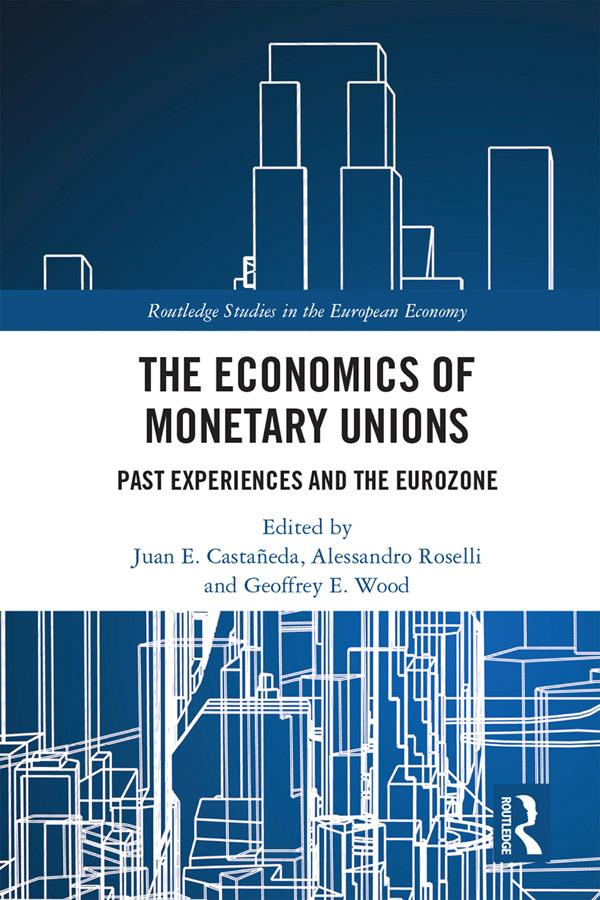
In this book, a historical analysis of the precedents of the euro is examined within the context of the current issues affecting the Eurozone and the long-term effects of the institutional changes implemented since 2010.
The book begins by placing the Eurozone challenges in the historical context of previous monetary unions, drawing on the experience of the gold standard. It then specifically focuses on the problems arising from the running of permanent trade imbalances within the Eurozone. The authors explore the advantages and disadvantages of being a member of the Eurozone and attempt to measure the optimality of a currency area by the calculation of an index on internal macroeconomic asymmetries. They address the proposals recently made in favour of a fiscal union in the Euro zone; including the economic and political feasibility of fiscal transfers in the Eurozone. The final two papers discuss whether the monetary union is in fact more than just that, and whether it will lead inevitably to some form of political union if it is to survive.
With chapters by leading experts from both Europe and the UK, this book will appeal to students in Economics, Finance, Politics, EU integration and European studies; as well as academics and professional economists doing research in EU integration, the Euro zone, monetary history and monetary and banking unions in Europe, the UK and elsewhere.
Płać wygodnie kartą, Klarną, Apple Pay lub Google Pay. Nie jesteś zadowolony? Zawsze masz 14-dniową gwarancję zwrotu pieniędzy. Więcej przeczytasz w naszych warunkach. Masz pytania? Napisz do nas na hello@memmo.org.
Memmo ułatwia naukę – gdziekolwiek jesteś na świecie. U nas znajdziesz podręczniki i sprytne narzędzia do nauki w jednym miejscu: streszczenia, quizy, podcasty i fiszki. A do tego Ted, Twój kumpel do nauki, który odpowie na wszystko, co Cię nurtuje. Ponad 50 000 studentów już tu się uczy – stworzone, byś uczył się szybciej i mniej stresował.