
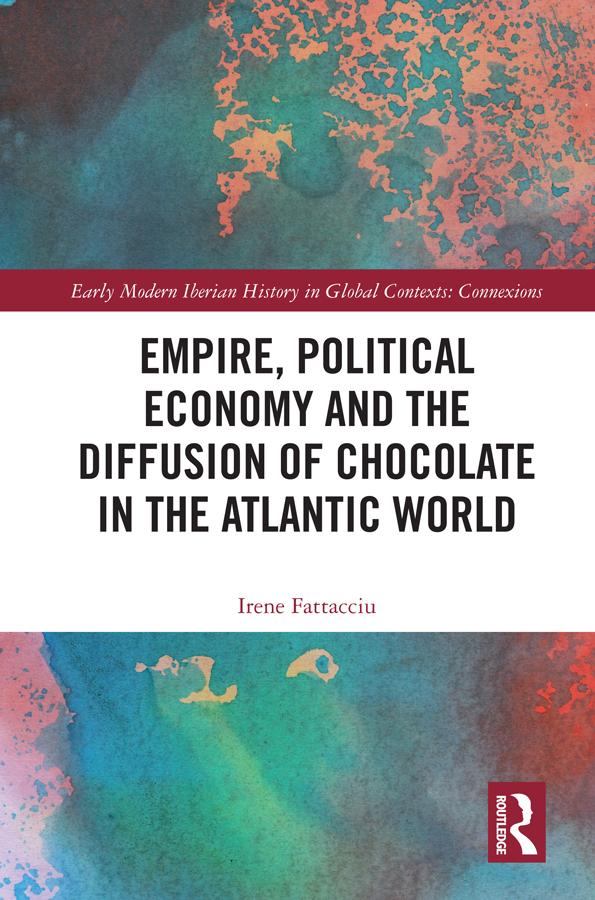
Chocolate is one of the most visible examples of how a deeply exotic consumer product penetrating our daily lives fascinated Europeans during the Early Modern period. Today, over fifty percent of the four million tons of cocoa produced globally come from Sub-Saharan Africa. Ecuadorian cocoa, on the other hand, is considered premium quality. Yet the fact that Ecuadorian cocoa is preferred by today's artisanal chocolate makers is one of history’s ironic turns. During the eighteenth century, production and exports of Ecuadorian cocoa dramatically expanded due to its fast growth rate, high yield and low price, though certainly not due to its qualities of taste. This book analyzes the transition of chocolate from an exotic curiosity to an Atlantic commodity. It shows how local, inter-regional, and Atlantic markets interacted with one another and with imperial political economies. It explains how these interactions, intertwined with the resilience of local artisanal production, promoted the partial democratization of chocolate consumption as well as economic growth.
Płać wygodnie kartą, Klarną, Apple Pay lub Google Pay. Nie jesteś zadowolony? Zawsze masz 14-dniową gwarancję zwrotu pieniędzy. Więcej przeczytasz w naszych warunkach. Masz pytania? Napisz do nas na hello@memmo.org.
Memmo ułatwia naukę – gdziekolwiek jesteś na świecie. U nas znajdziesz podręczniki i sprytne narzędzia do nauki w jednym miejscu: streszczenia, quizy, podcasty i fiszki. A do tego Ted, Twój kumpel do nauki, który odpowie na wszystko, co Cię nurtuje. Ponad 50 000 studentów już tu się uczy – stworzone, byś uczył się szybciej i mniej stresował.