
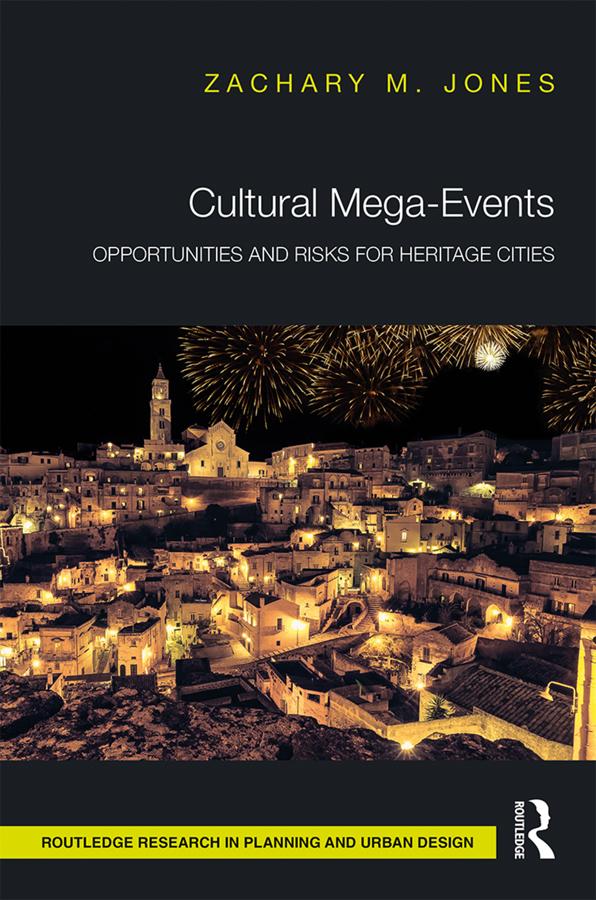
Mega-events have long been used by cities as a strategy to secure global recognition and attract future economic investment. However, while cultural mega-events like the European Capital of Culture have become increasingly popular, cities have begun questioning the traditional model of other events such as the Olympic Games with many candidate cities cancelling bids in recent years. This approach to planning and developing cities through mega-events introduces a broad range of physical effects and nuanced institutional changes for cities, particularly for the more sensitive heritage areas of cities. This book explores these issues by first examining the dynamics of cities’ attempts to reduce overall costs and increase the sustainability of these large events by further embedding them within the existing fabric of the city and second by studying in depth the impact on the heritage of host cities. This book investigates three World Heritage Cities: Genoa, Liverpool and Istanbul, each of which have hosted the European Capital of Culture and introduced a variety of opportunities and risks for their heritage. The book highlights the potential benefits and challenges of integrating event and heritage planning to provide lessons that can help future historic cities and heritage decision makers better prepare for such events.
Płać wygodnie kartą, Klarną, Apple Pay lub Google Pay. Nie jesteś zadowolony? Zawsze masz 14-dniową gwarancję zwrotu pieniędzy. Więcej przeczytasz w naszych warunkach. Masz pytania? Napisz do nas na hello@memmo.org.
Memmo ułatwia naukę – gdziekolwiek jesteś na świecie. U nas znajdziesz podręczniki i sprytne narzędzia do nauki w jednym miejscu: streszczenia, quizy, podcasty i fiszki. A do tego Ted, Twój kumpel do nauki, który odpowie na wszystko, co Cię nurtuje. Ponad 50 000 studentów już tu się uczy – stworzone, byś uczył się szybciej i mniej stresował.