
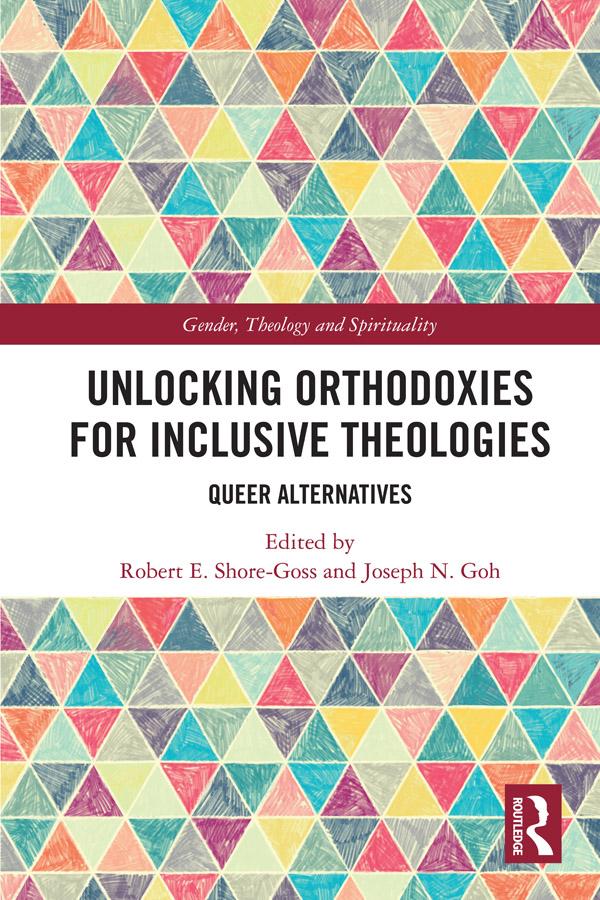
This book enters a new liminal space between the LGBTQ and denominational Christian communities. It simultaneously explores how those who identify as queer can find a home in church and how those leading welcoming, or indeed unwelcoming, congregations can better serve both communities. The primary argument is that queer inclusion must not merely mean an assimilation into existing heteronormative respectability and approval.
Chapters are written by a diverse collection of Asian, Latin American, and U.S. theologians, religious studies scholars and activists. Each of them writes from their own social context to address the notion of LGBTQ alternative orthodoxies and praxes pertaining to God, the saints, failure of the church, queer eschatologies, and erotic economies. Engaging with issues that are not only faced by those in the theological academy, but also by clergy and congregants, the book addresses those impacted by a history of Christian hostility and violence who have become suspicious of attempts at "acceptance". It also sets out an encouragement for queer theologians and clergy think deeply about how they form communities where queer perspectives are proactively included.
This is a forward-looking and positive vision of a more inclusive theology and ecclesiology. It will, therefore, appeal to scholars of Queer Theology and Religious Studies as well as practitioners seeking a fresh perspective on church and the LGBTQ community.
Płać wygodnie kartą, Klarną, Apple Pay lub Google Pay. Nie jesteś zadowolony? Zawsze masz 14-dniową gwarancję zwrotu pieniędzy. Więcej przeczytasz w naszych warunkach. Masz pytania? Napisz do nas na hello@memmo.org.
Memmo ułatwia naukę – gdziekolwiek jesteś na świecie. U nas znajdziesz podręczniki i sprytne narzędzia do nauki w jednym miejscu: streszczenia, quizy, podcasty i fiszki. A do tego Ted, Twój kumpel do nauki, który odpowie na wszystko, co Cię nurtuje. Ponad 50 000 studentów już tu się uczy – stworzone, byś uczył się szybciej i mniej stresował.