
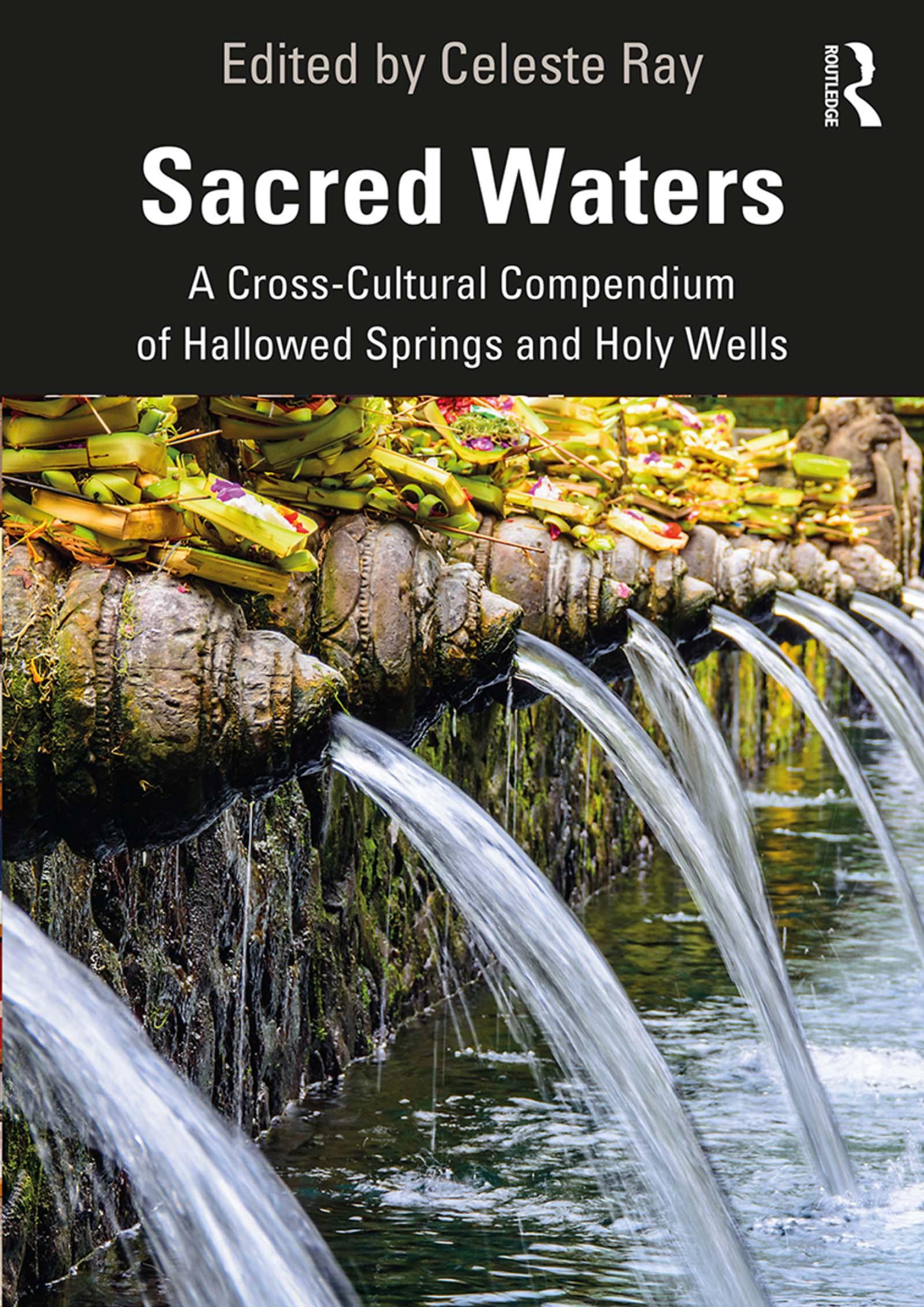
Describing sacred waters and their associated traditions in over thirty countries and across multiple time periods, this book identifies patterns in panhuman hydrolatry. Supplying life’s most basic daily need, freshwater sources were likely the earliest sacred sites, and the first protected and contested resource. Guarded by taboos, rites and supermundane forces, freshwater sources have also been considered thresholds to otherworlds. Often associated also with venerated stones, trees and healing flora, sacred water sources are sites of biocultural diversity. Addressing themes that will shape future water research, this volume examines cultural perceptions of water’s sacrality that can be employed to foster resilient human–environmental relationships in the growing water crises of the twenty-first century. The work combines perspectives from anthropology, archaeology, classics, folklore, geography, geology, history, literature and religious studies.
Płać wygodnie kartą, Klarną, Apple Pay lub Google Pay. Nie jesteś zadowolony? Zawsze masz 14-dniową gwarancję zwrotu pieniędzy. Więcej przeczytasz w naszych warunkach. Masz pytania? Napisz do nas na hello@memmo.org.
Memmo ułatwia naukę – gdziekolwiek jesteś na świecie. U nas znajdziesz podręczniki i sprytne narzędzia do nauki w jednym miejscu: streszczenia, quizy, podcasty i fiszki. A do tego Ted, Twój kumpel do nauki, który odpowie na wszystko, co Cię nurtuje. Ponad 50 000 studentów już tu się uczy – stworzone, byś uczył się szybciej i mniej stresował.