
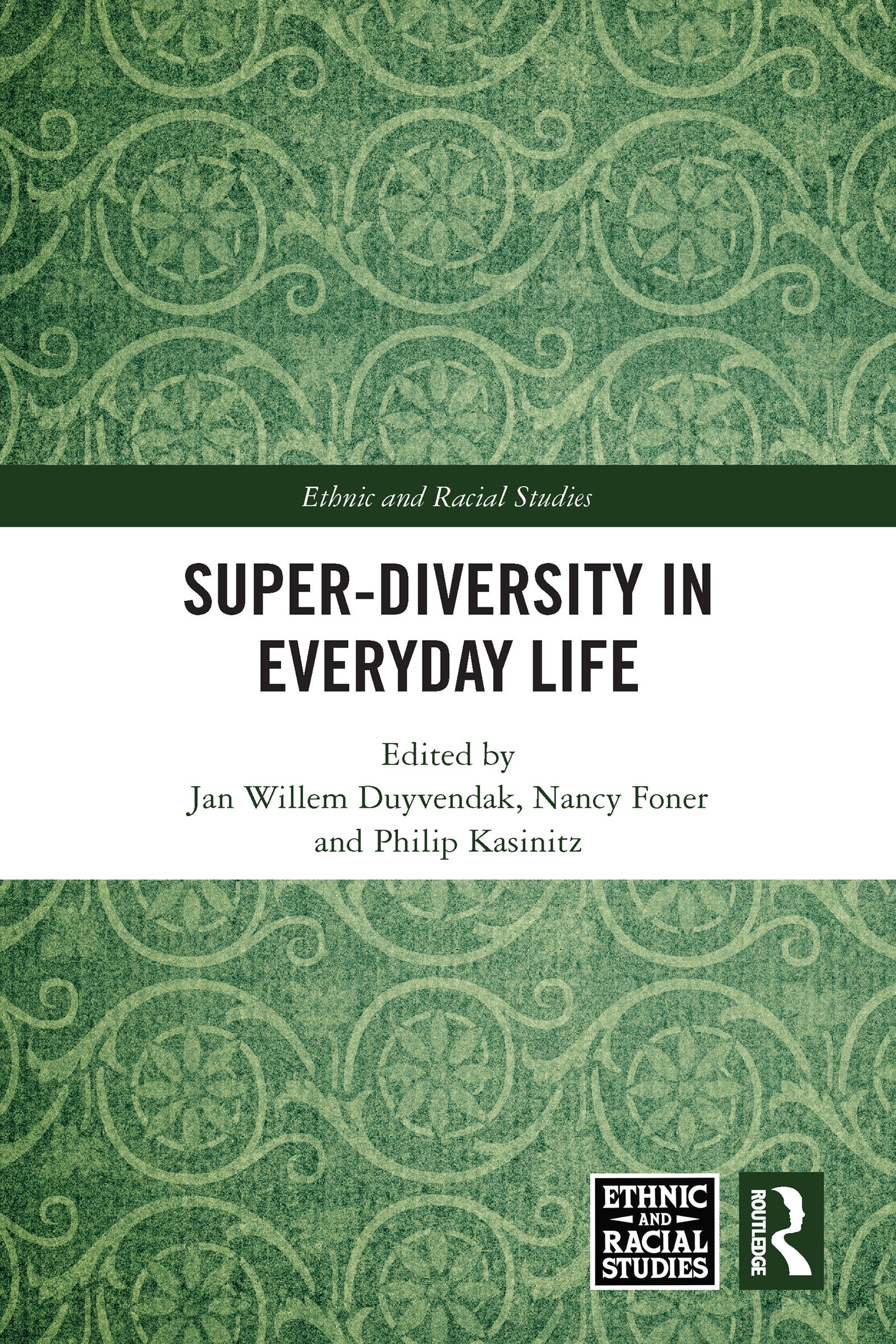
Presenting several in-depth studies, this book explores how super-diversity operates in every-day relations and interactions in a variety of urban settings in Western Europe and the United States.
The contributors raise a broad range of questions about the nature and effects of super-diversity. They ask if a quantitative increase in demographic diversity makes a qualitative difference in how diversity is experienced in urban neighborhoods, and what are the consequences of demographic change when people from a wide range of countries and social backgrounds live together in urban neighborhoods. The question at the core of the book is to what extent, and in what contexts, super-diversity leads to either the normalization of diversity or to added hostility towards and amongst those in different ethnic, racial, and religious groups. In cases where there is no particular ethno-racial or religious majority, are certain long-established groups able to continue to exert economic and political power, and is this continued economic and political dominance actually often facilitated by super-diversity?
With contributions from a number of European countries as well as the USA, this book will be of interest to researchers studying contemporary migration and ethnic diversity. It will also spark discussion amongst those focusing on multiculturalism in urban environments. This book was originally published as a special issue of Ethnic and Racial Studies.
Płać wygodnie kartą, Klarną, Apple Pay lub Google Pay. Nie jesteś zadowolony? Zawsze masz 14-dniową gwarancję zwrotu pieniędzy. Więcej przeczytasz w naszych warunkach. Masz pytania? Napisz do nas na hello@memmo.org.
Memmo ułatwia naukę – gdziekolwiek jesteś na świecie. U nas znajdziesz podręczniki i sprytne narzędzia do nauki w jednym miejscu: streszczenia, quizy, podcasty i fiszki. A do tego Ted, Twój kumpel do nauki, który odpowie na wszystko, co Cię nurtuje. Ponad 50 000 studentów już tu się uczy – stworzone, byś uczył się szybciej i mniej stresował.