
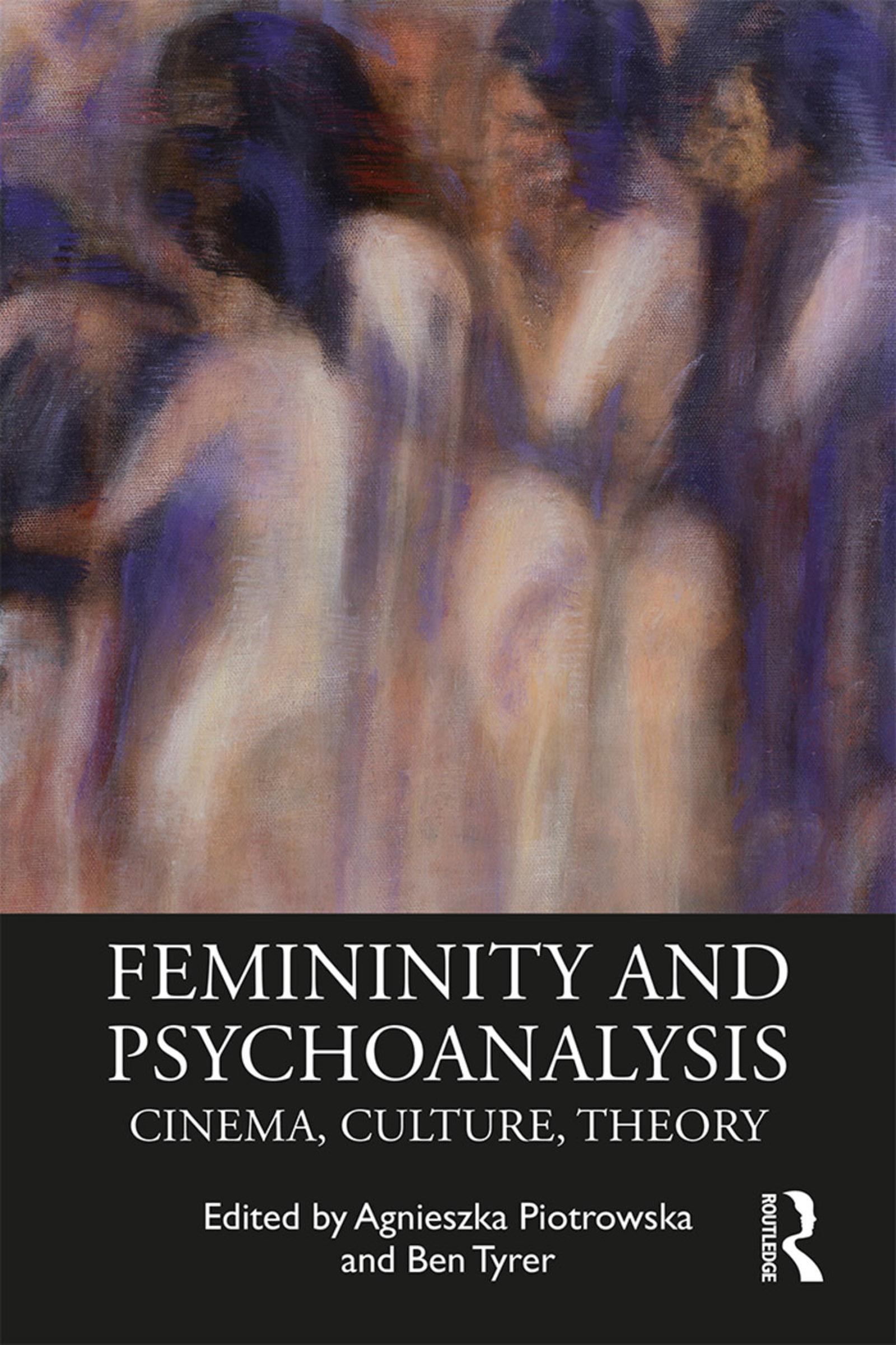
For Freud, famously, the feminine was a dark continent, or a riddle without an answer. This understanding concerns man’s relationship to the question of ‘woman’ but femininity is also a matter of sexuality and gender and therefore of identity and experience. Drawing together leading academics, including film and literary scholars, clinicians and artists from diverse backgrounds, Femininity and Psychoanalysis: Cinema, Culture, Theory speaks to the continued relevance of psychoanalytic understanding in a social and political landscape where ideas of gender and sexuality are undergoing profound changes.
This transdisciplinary collection crosses boundaries between clinical and psychological discourse and arts and humanities fields to approach the topic of femininity from a variety of psychoanalytic perspectives. From object relations, to Lacan, to queer theory, the essays here revisit and rethink the debates over what the feminine might be. The volume presents a major new work by leading feminist film scholar, Elizabeth Cowie, in which she presents a first intervention on the topic of film and the feminine for over 20 years, as well as a key essay by the prominent artist and psychoanalyst, Bracha Ettinger.
Written by an international selection of contributors, this collection is an indispensable tool for film and literary scholars engaged with psychoanalysts and anybody interested in different approaches to the question of the feminine.
Płać wygodnie kartą, Klarną, Apple Pay lub Google Pay. Nie jesteś zadowolony? Zawsze masz 14-dniową gwarancję zwrotu pieniędzy. Więcej przeczytasz w naszych warunkach. Masz pytania? Napisz do nas na hello@memmo.org.
Memmo ułatwia naukę – gdziekolwiek jesteś na świecie. U nas znajdziesz podręczniki i sprytne narzędzia do nauki w jednym miejscu: streszczenia, quizy, podcasty i fiszki. A do tego Ted, Twój kumpel do nauki, który odpowie na wszystko, co Cię nurtuje. Ponad 50 000 studentów już tu się uczy – stworzone, byś uczył się szybciej i mniej stresował.