
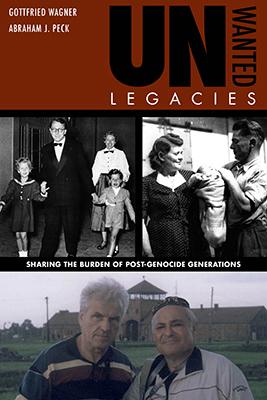
How does a society reconcile itself in a post-genocide era? How can generations of those whose families were victims and victimizers break the cycle of hate, mistrust, shame, and guilt that characterizes their relationship? What family reactions do they face as they seek to begin the act of sitting across from each other and facing their legacies? For more than two decades, Gottfried Wagner, great-grandson of composer Richard Wagner, whose music inspired Adolf Hitler and whose family helped the Nazis rise to power, and Abraham J. Peck, the son of two survivors whose entire families were murdered in the Holocaust, have been engaged in a unique and often torturous discussion on the German-Jewish relationship after the Shoah. That discussion has focused on their family histories and on the myths and realities of the relationship between Germans and Jews since the beginning of the nineteenth century and the process of reshaping that relationship for those Germans and Jews born after 1945. Rejecting the notion that they are either victims or perpetrators, both authors examine the “unwanted legacies” they inherited and have had to confront and overcome.
Płać wygodnie kartą, Klarną, Apple Pay lub Google Pay. Nie jesteś zadowolony? Zawsze masz 14-dniową gwarancję zwrotu pieniędzy. Więcej przeczytasz w naszych warunkach. Masz pytania? Napisz do nas na hello@memmo.org.
Memmo ułatwia naukę – gdziekolwiek jesteś na świecie. U nas znajdziesz podręczniki i sprytne narzędzia do nauki w jednym miejscu: streszczenia, quizy, podcasty i fiszki. A do tego Ted, Twój kumpel do nauki, który odpowie na wszystko, co Cię nurtuje. Ponad 50 000 studentów już tu się uczy – stworzone, byś uczył się szybciej i mniej stresował.
Może Ci się spodobać
Kup książkę0